
18 January 2020
Project Launch
- Introduction of work to contextualized audience
- Contribution to culture and society
- Curatorial? Dialogue? Commentary? Invite response?
- publication as a means of promotion, presentation, contextualization.
- Clare: publication strategies: brochures, posters, catalogs, postcards
- Focus on principles and essence of your work (or project?)
- How does my industry deal with publication? exhibition archives? press release? magazines? community engagement and participation? Website? apps? galleries, journals
Example Layouts from Launch Presentation
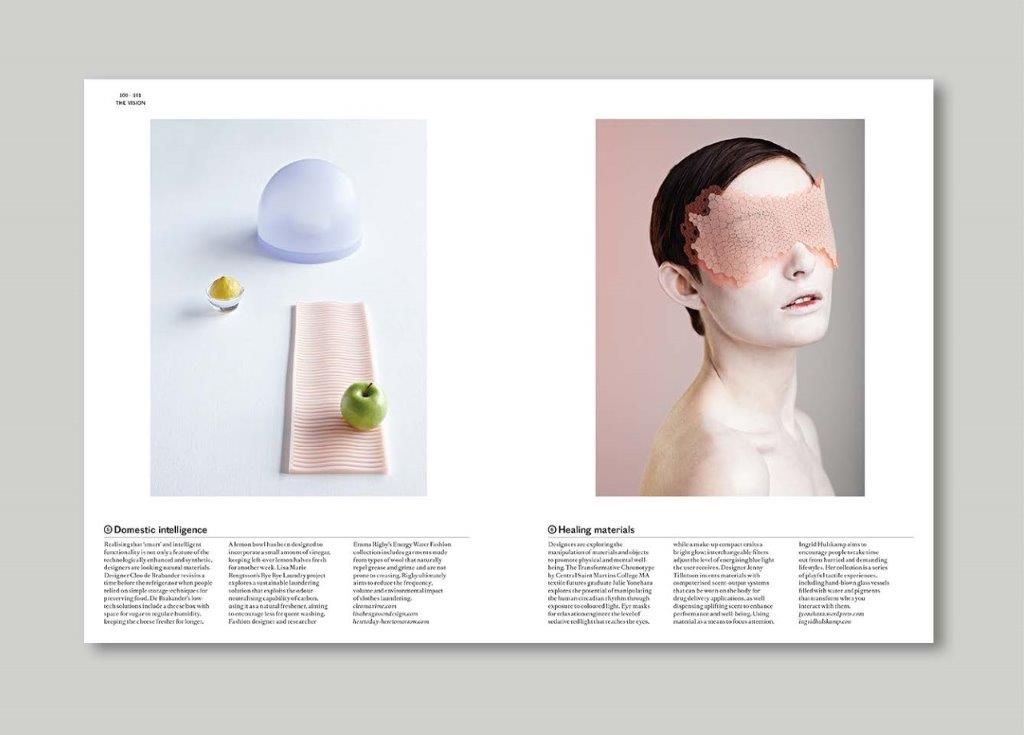
Here I like the Symmetry, balance, highlighting objects and context through tonal emphasis in photographs, white space, neat boundaries
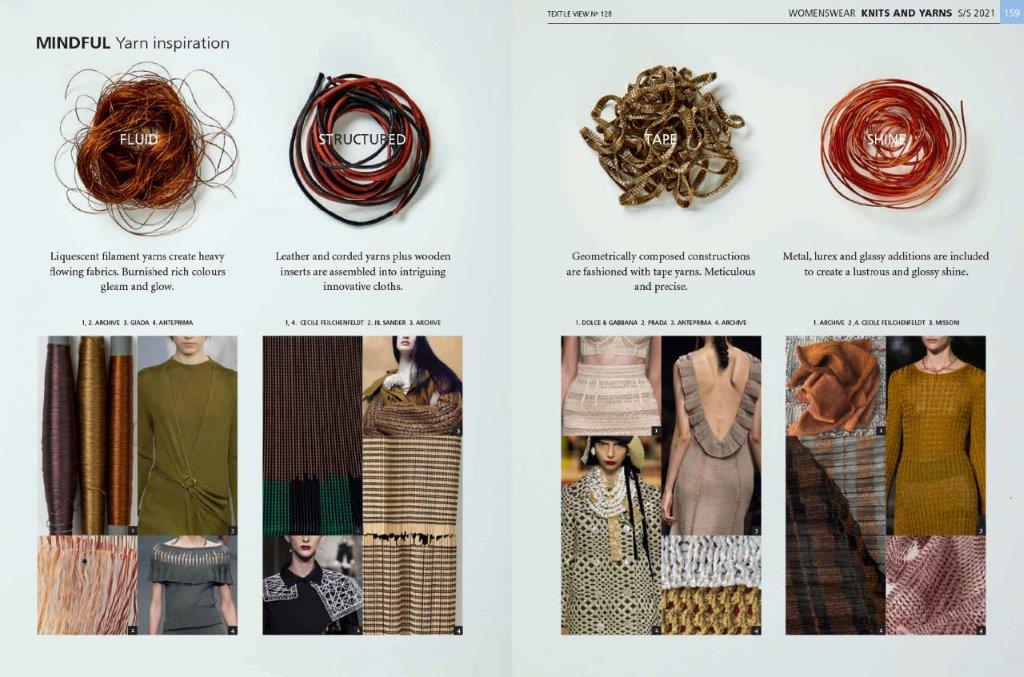
This spread accommodates basic raw materials in the context of finished products. Through the publication, I hope to showcase the materials I engaged with against final outcomes.
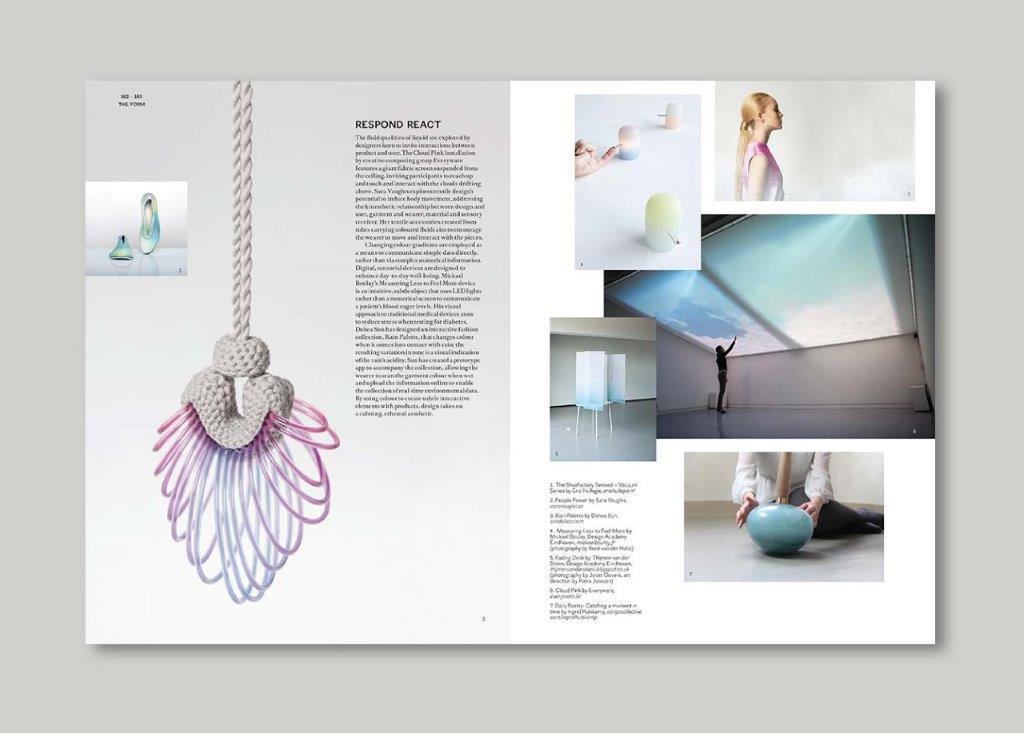
Difficult to achieve (especially since its easy to get lost in overlapping images); however, I like the colours and visual weight, in addition to emphasis on 1 product

Materials, textures, colours: I like how materials are the stars of this spread. It somehow reflects the process without making it look like a scrapbook. Process is another aspect I’d like to highlight in a printed publication (maybe even more than final outcome, since my practice for Stage 2 has been driven by a responsive, spontaneous approach toward material interaction, rather than being focused on a single end goal throughout)
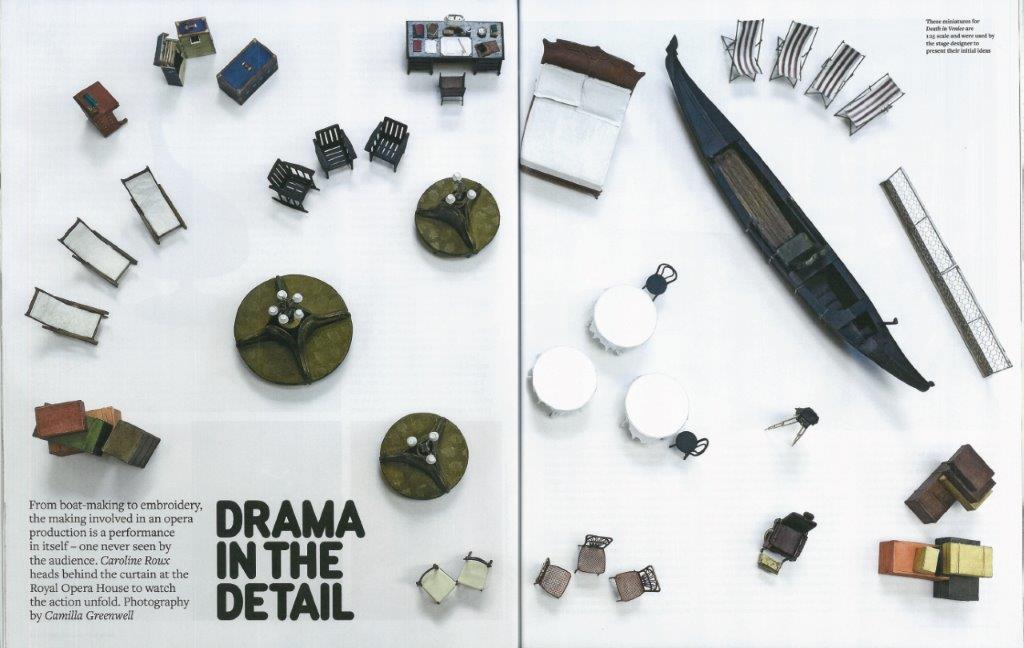
This layout from Clare’s presentation made me think about a collaborative contents page, placing our inidividual objects/maquettes in a single layout to show the merging of a variety of scales, typologies, outcomes and approaches. I like the idea of a single image unifying a number of diverse objects and themes into a common context…
Group themes: selection of a thread to connect and relate works in sequence.
- Medium, scale, layout, format – informed by – work, audience, thread connecting works.
- Threads: conceptual and aesthetic intentions, collective agenda
- Shared links (Shared lens??)
(Ideas for interaction and engagement)
Flip books, motion, transformation, tactility, fingers
Things to consider: Format
typography, ease of reading (45-60 characters per column), unjustified – easier to read, transitional pages, colour? Long text – sans serif – easier to read; short – serif – more traditional and decorative.
Things to consider: Themes and content
What do I want to bring about? What can we focus on as a group? Considering our multidisciplinarity, can we chose a theme celebrating our different approaches rather than club our commonalities forcefully?
How do people in my field represent their work?
Journals Room at Kensington Library
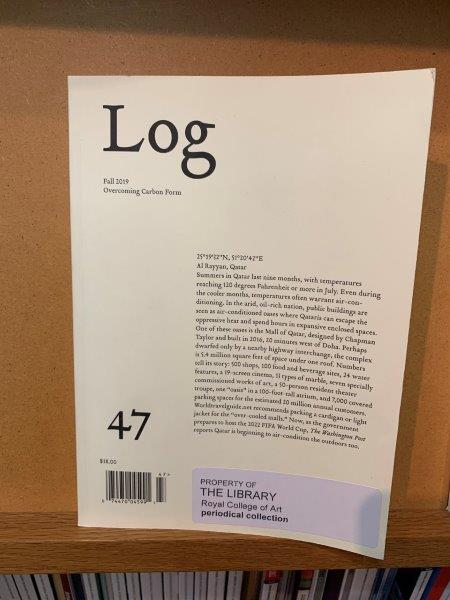
I found the cover page of the Log journal by Anyone Corporation really provocative in its use of an architectural commentary as a text based visual tool. I further learnt, that the journal represents a contrast to the image-economy that social media and marketing strategies in the architecture and design industry stand for today. I dont know if such a cover would work for our group publication, but am certainly inspired by journalism depicting the essence of design rather than shallow, seductive, consumable imagery to drive sales.
Founded in 2003, Log is an independent journal on architecture and the contemporary city that presents criticism and commentary in a literary format designed to resist the seductive power of the image in media while identifying and elaborating the central concerns of architectural thinking and production today.
https://www.anycorp.com/log/about
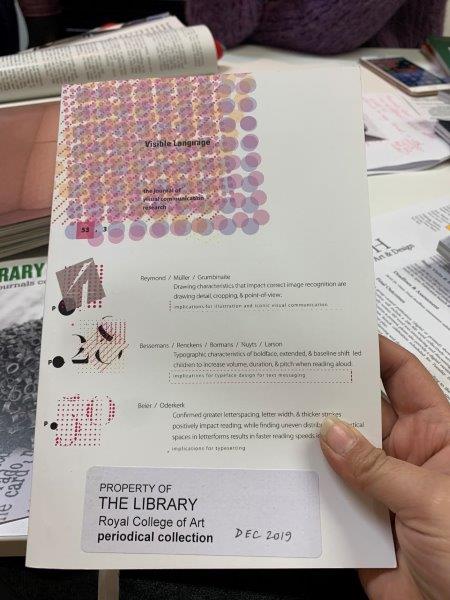
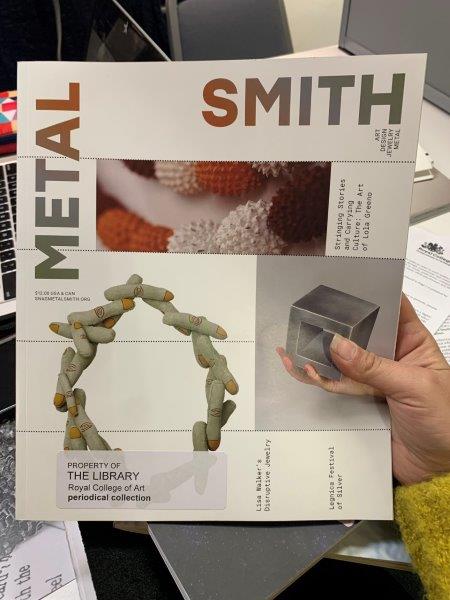
The cover page for ‘Visible Language’ was confusing to read, but I really liked the textured paper as a cover page, along with the (almost) A5 size which made it handy. In contrast to the subdued graphics on Log and ‘Visible Language’, ‘Metal Smith’ had a very magazine-like approach, highlighting trends in the metalsmithing industry, more driven toward connecting practitioners with consumers.
This made me think about our potential audience: is it the academic community? Could we share our innovative investigations with our peers and tutors as academic/practical research? I personally would not like to present my work in a magazine like format, more so because I cannot identify a commercial context for my recent work (yet). I understand that my group mates feel similarly, their work being more exploratory than commercially driven. Speaking of a general, art-design inclined audience from outside the academic community, we might consider connecting people from outside the field to our work using an anti-commercial approach. I would also like to invite comment and dialogue from people outside the field and subject areas, on research based practice conducted by my team, to see where our work fits within the civic/ socio-cultural realm.
Industry Precedents: Layouts and Content
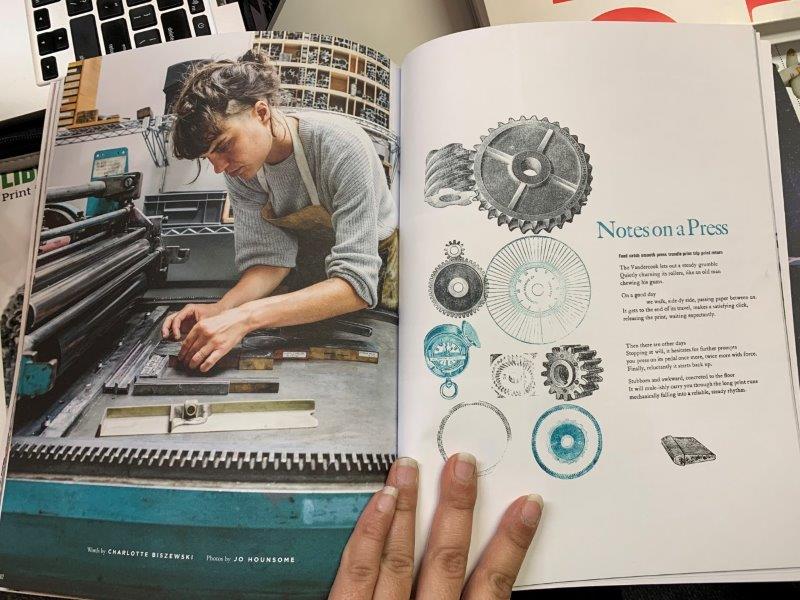
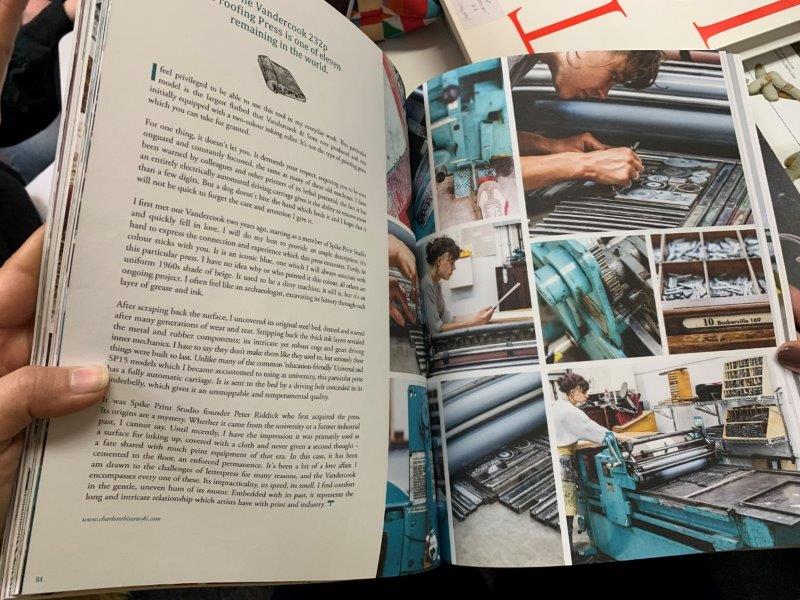
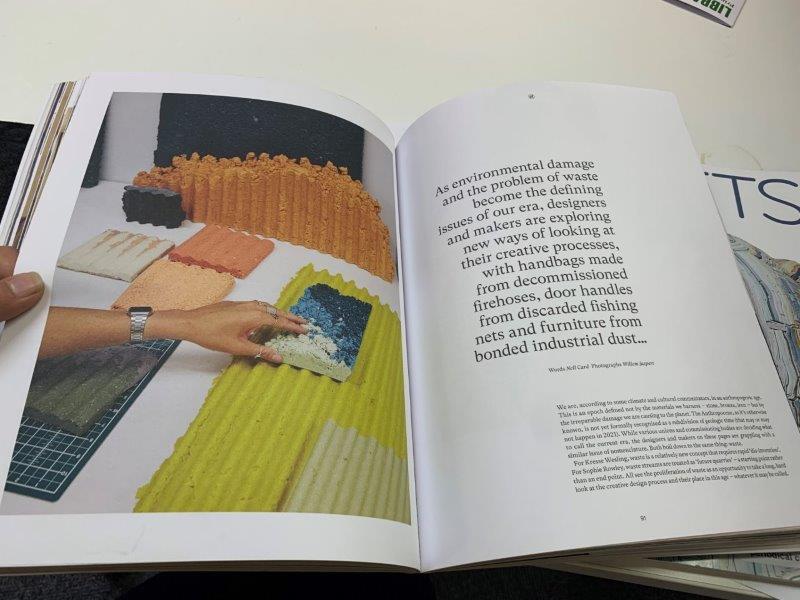
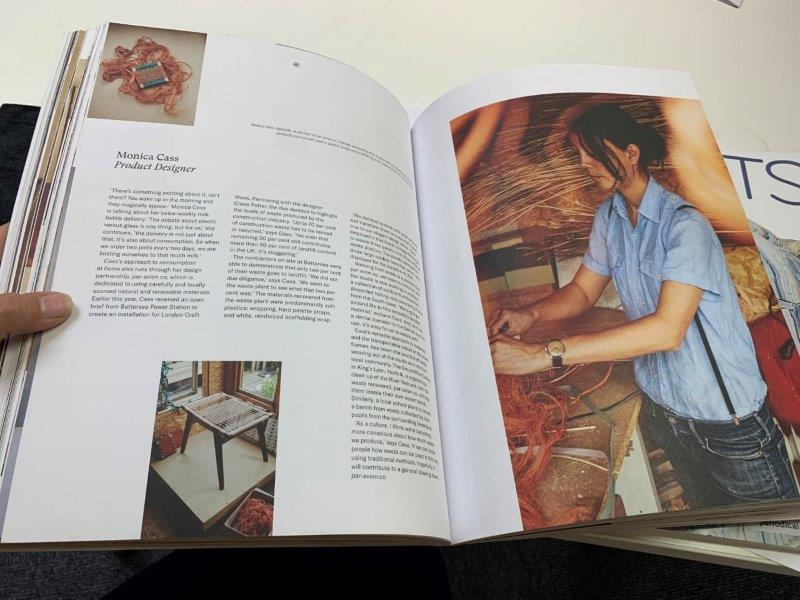
Focus: Craft process, engagement with material, collaboration, skills, studio work, behind the scenes
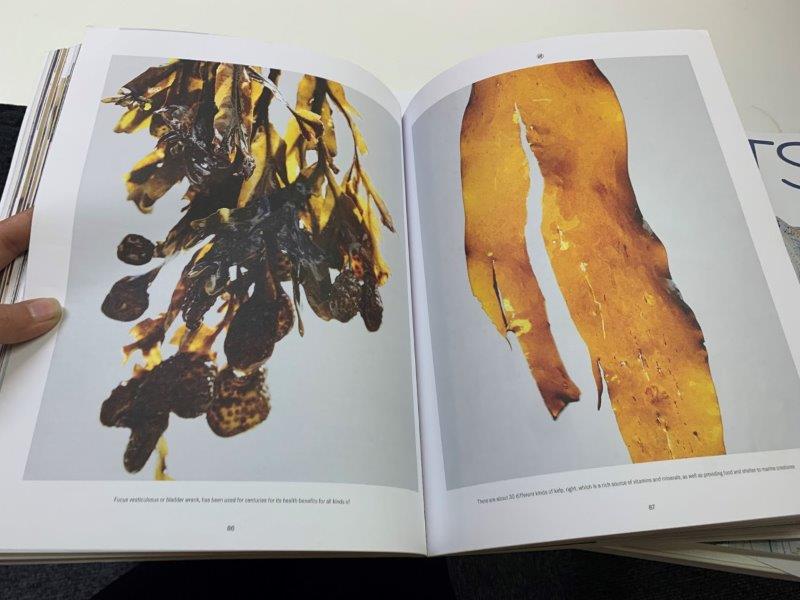
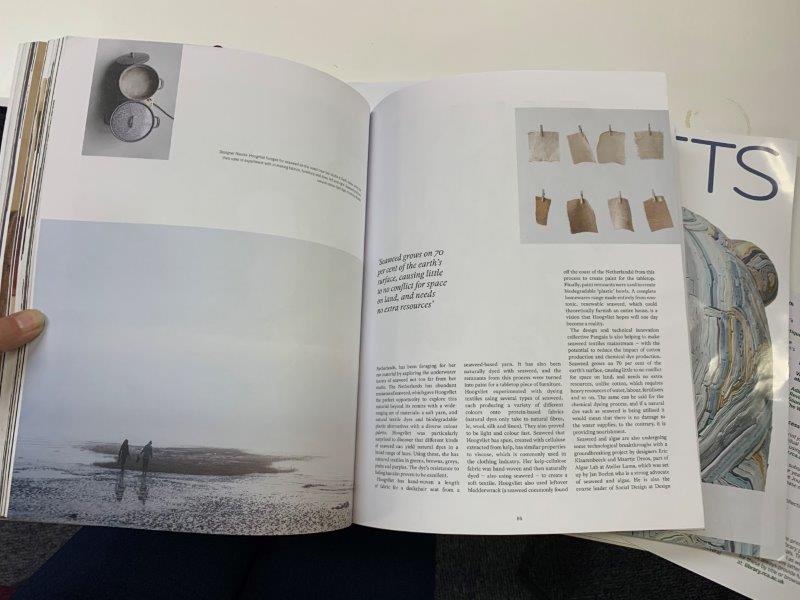
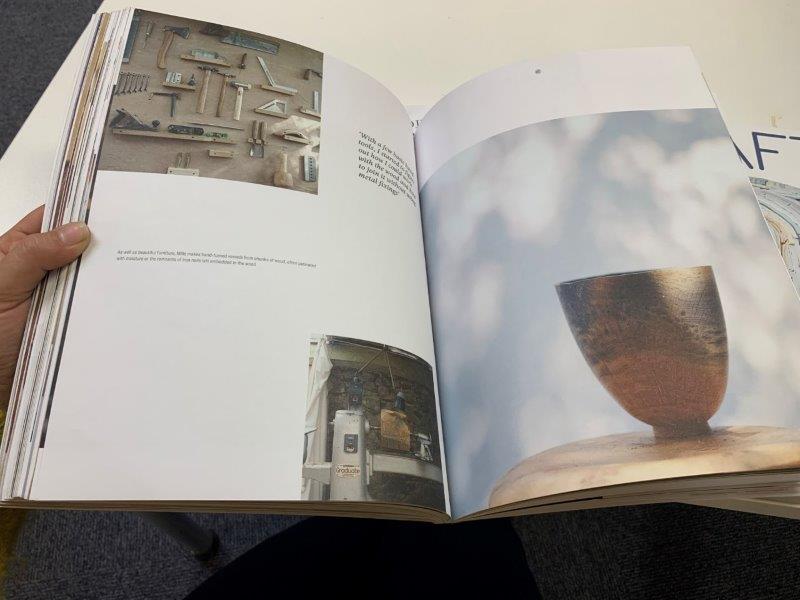
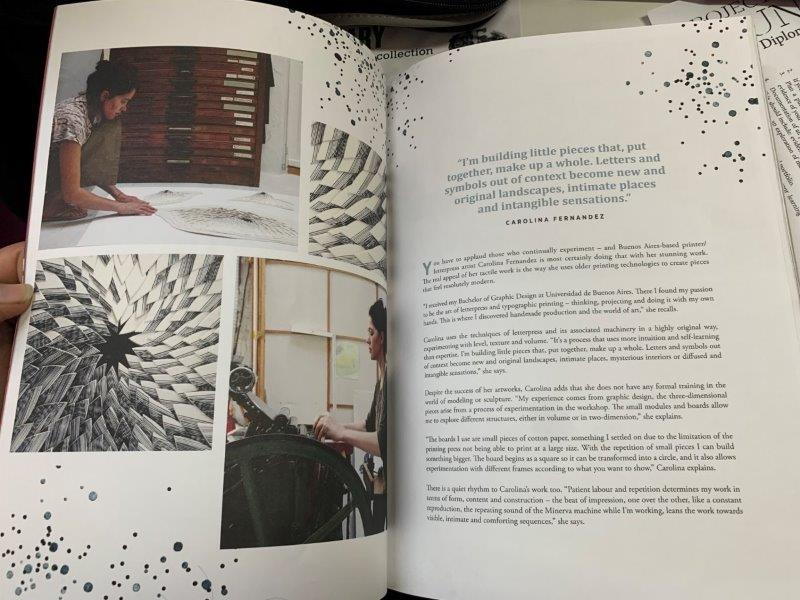
Focus: material, aesthetics, composition, narratives of craft process (rather than the skills alone)
Editorial Writing ADAS Workshop
- 500 word critical reflection on Grad Dip journey, outline of potential future trajectory
July Onward – 8-9 months, development as practitioner in specialism, flowing between specialism, critically analyse growth, journey, what I’ve taken from the course, how course has helped me think about my future
- 500 word individual response to editorial
- Narrative? text-image relation, choose own format. How does it relate to editorial?
- examples of current work
- intro + discussion of practice
- 300 work collaborative editorial
- Broad concept bringing all work together.
- Biography – not too long. Focus on work foremost.
- Introductory paragraph – conceptual/theoretical background of each
- How to present work as a collective/ group/ entity?
- Opening sentence – comical/poetic/evocative.
- Curate text and images on the basis of editorial.
- Intentionality of publication – thematic/ discursive/ thoughts/ engage/ issues
- Materiality of works – physical/virtual objects – underpinning
- Social media? blogs? contact info?
- Consistent language
- 1st person? 3rd person? position yourself, consistent across all 500 texts.
- General purpose of publication?
- Overarching topics

 design factory