
19 November 2019
9. I finally decided to use ammonia and see how it changed the appearance of the patinas in brass and copper. For this experiment, I decided to sand a piece each of copper and brass, while scratching another set of samples with steel wool, to see the effects of corrosion based on the finish of the metal. I dipped all 4 pieces in white vinegar (the most successful vinegar used so far), and sprinkled them with a mix of coarse sea salt and fine table salt. I placed these on a piece of kitchen roll soaked in white vinegar, next to the ammonia container, in a sealed plastic box.
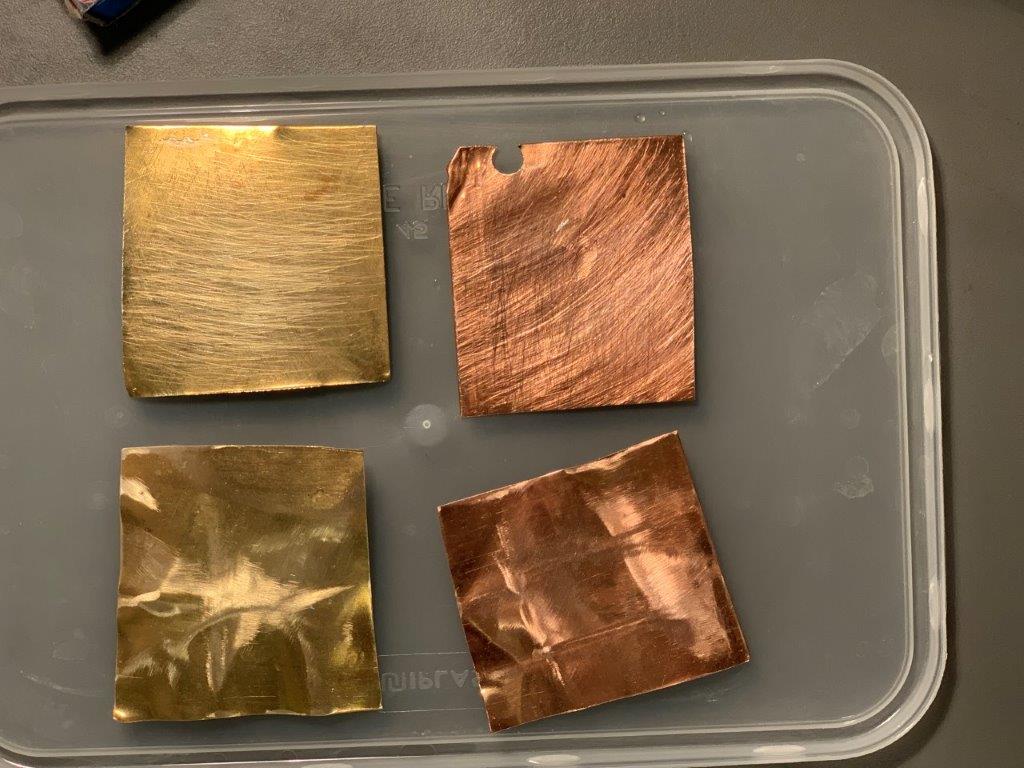
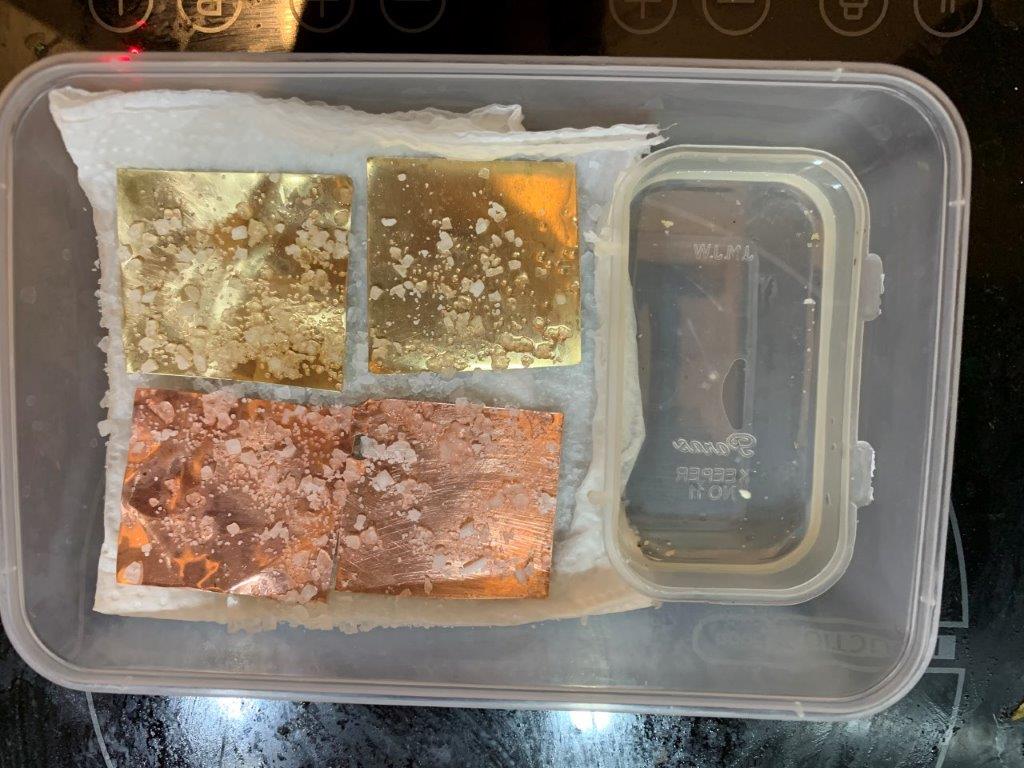
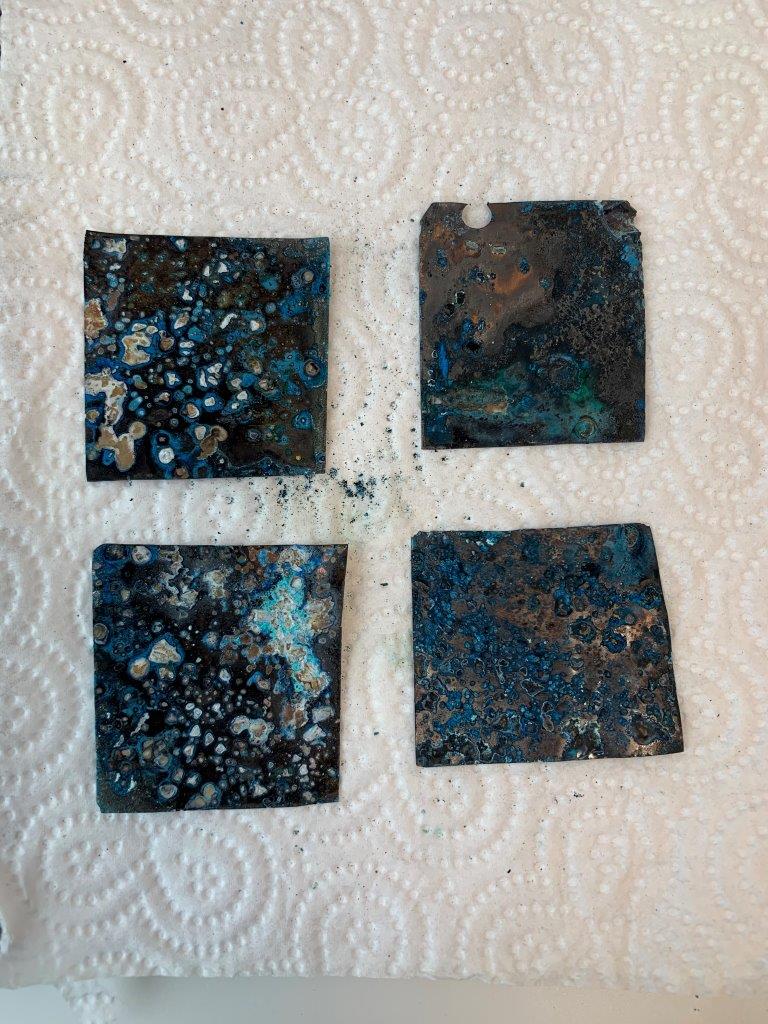
Left: brass, Right copper
I observed that the copper started to blacken almost immediately, while the brass was comparatively slower to show the black patina. After 24 hours, the pieces were completely coated with blue-black patina, with areas under the larger salt crystals left exposed in the brass pieces. There wasn’t much difference in the scratched and sanded versions of the same metal. This time, the deposition of white salt brought about a new white colour in the patinas in brass. There was also a blue-green gradient in copper, that I hadn’t observed in earlier pieces. That could be due to the sulphur causing additional reactions as mentioned here.
Diversion: Salt crystals
The patina experiments led to a strange and interesting discovery: when I got home to the (unwashed) cup and paintbrush that I had been using to mix vinegar and salt, I saw a fern-like growth around the metal edge of the paintbrush. I realized later, that these were salt crystals, having traveled along the bristles of the brush, and deposited along the metal edge over the previous night.
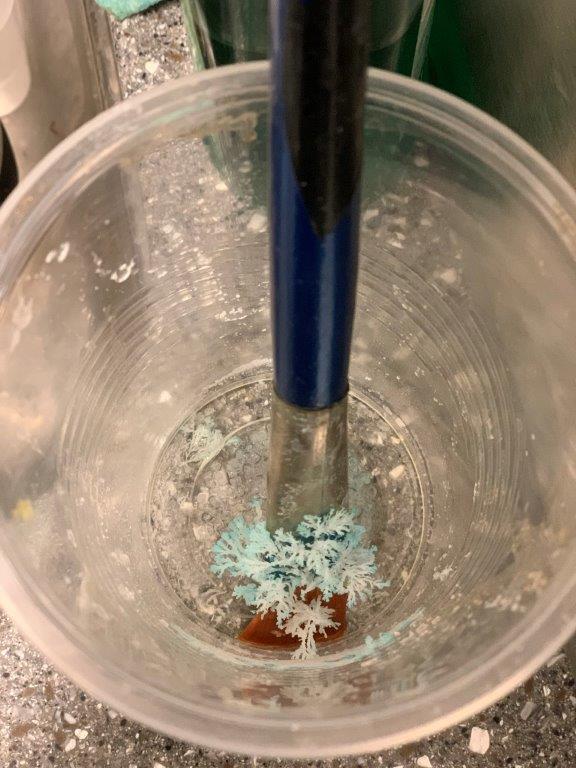
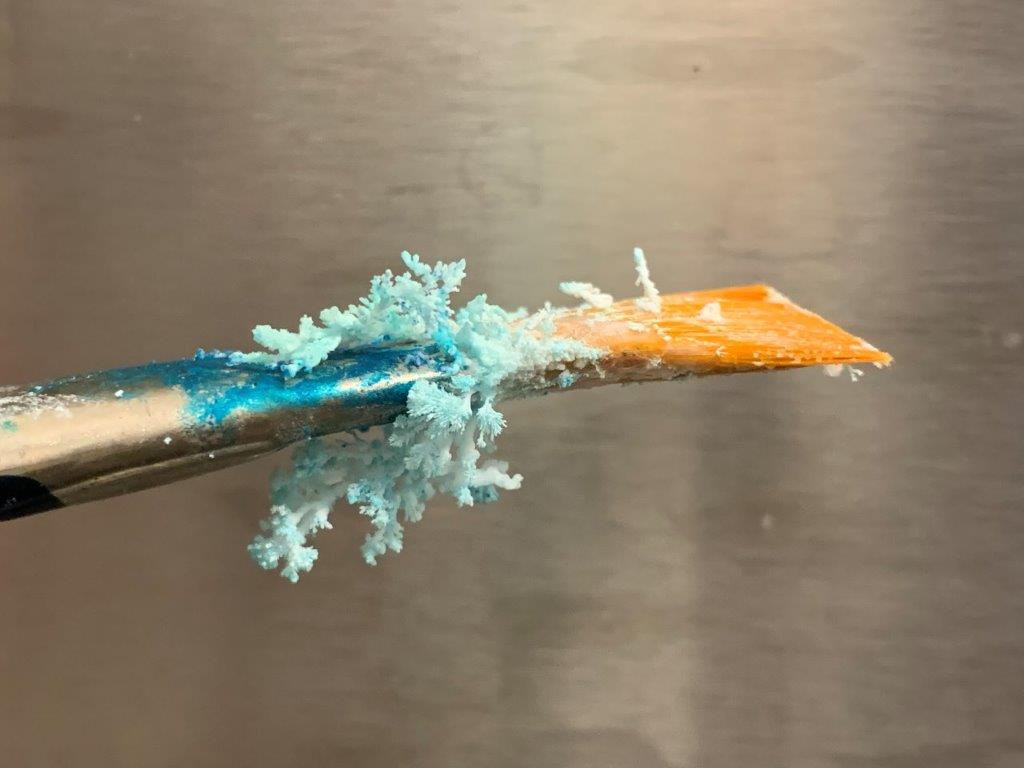
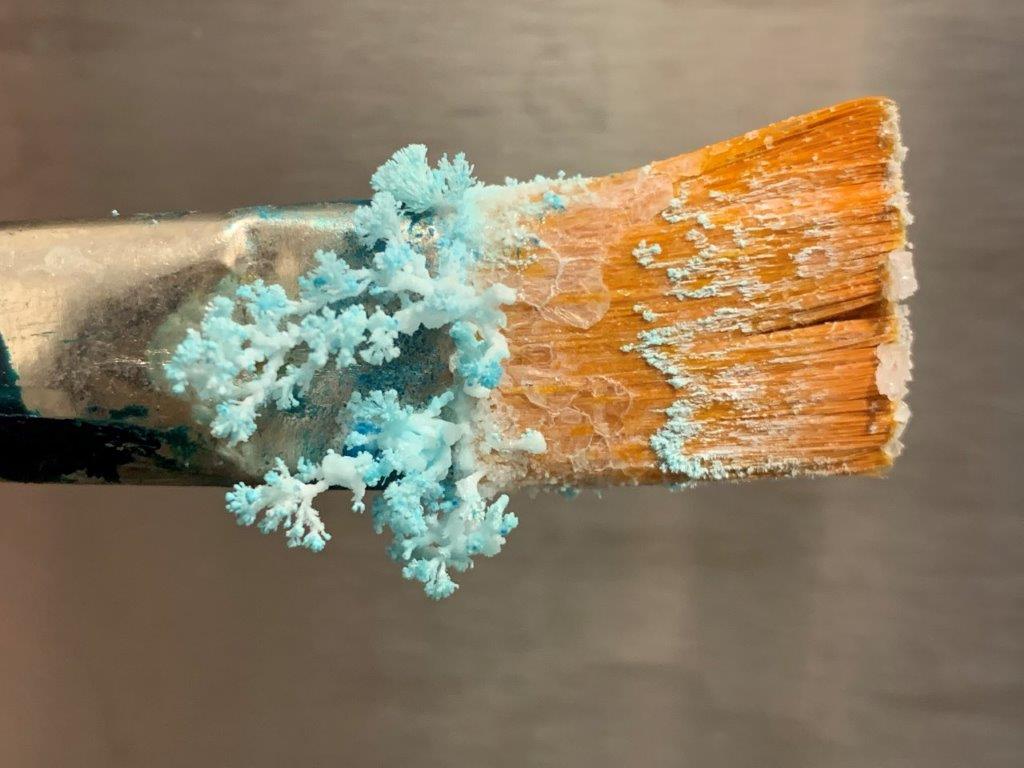
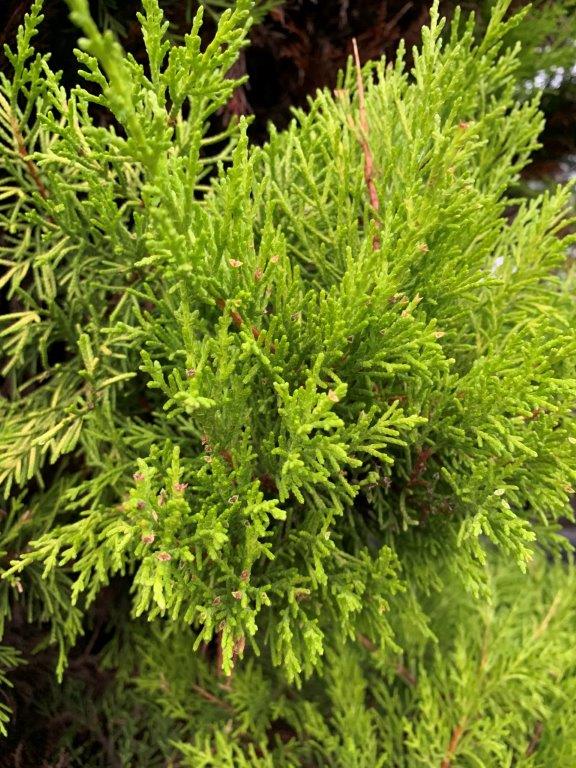
I wanted to understand this further, and looked up methods of growing salt crystals. Most articles and crystal growing kits that I found were based on nucleation and deposition of crystals on a rough surface introduced to a saturated solution of different salts in water. It was interesting that none of the methods mentioned vinegar as a solvent, and I still could not explain the location of the crystal formation, along with its unique shape.

 design factory