
14 November 2019
For our Pathway trip for the Investigate Project, we met at the Design museum to seek inspiration and possibly identify a contemporary practitioner for our ADAS essay. Since I had seen the Designer Maker User exhibit on my previous visit to the museum, I decided to visit the Beazley Designs of the Year Exhibit this time.
Presented as a ‘celebration of the most original and exciting products, concepts and designers across the globe today’ the Beazley exhibit was a little bit of a let down for me, after having seen a lot of inspiring and exciting art and design in London, during the past 4 months. I questioned the ‘originality’ and ‘excitingness’ of some works, as I made my way across the relatively small product galleries.
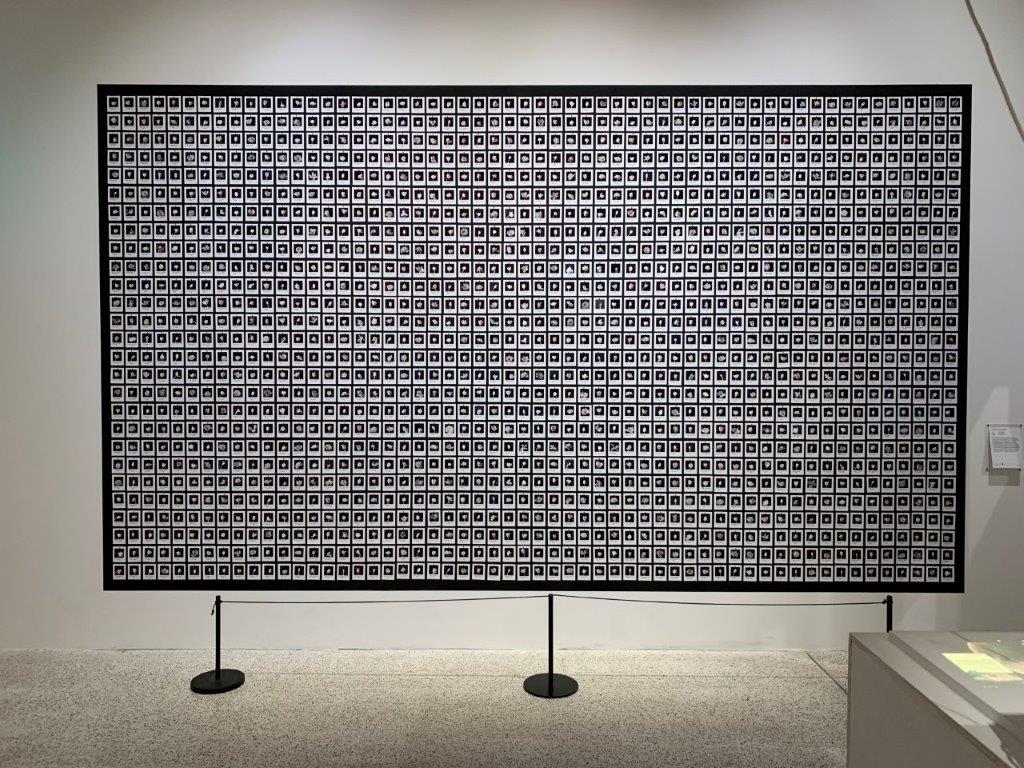
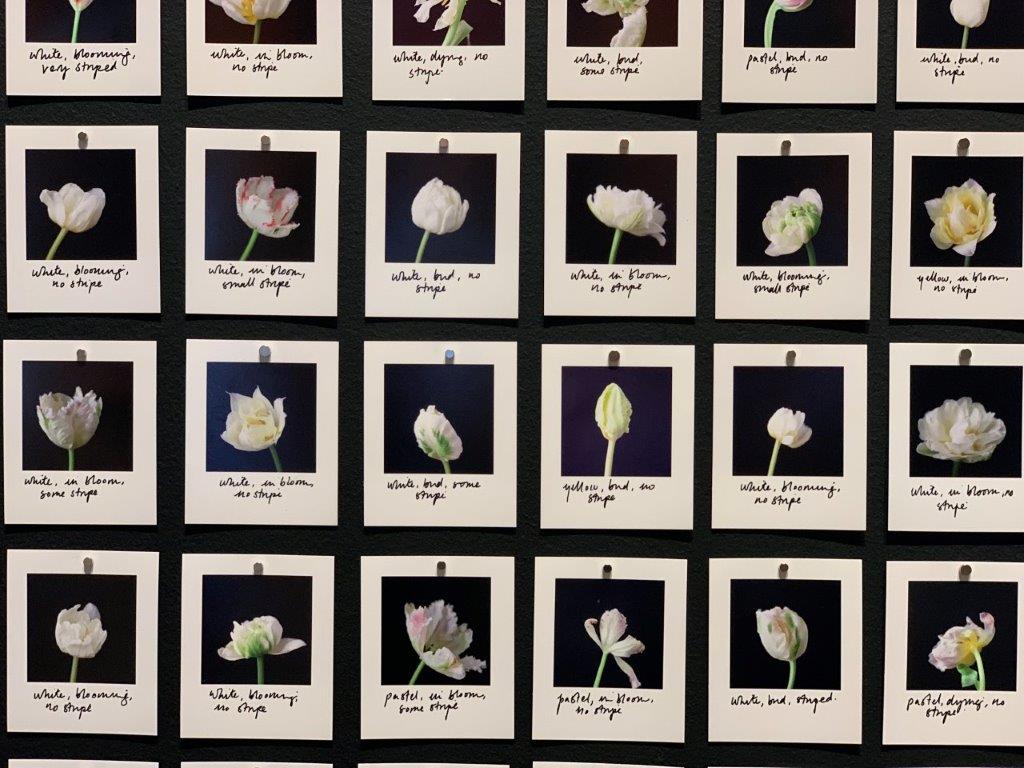
In the digital gallery, an exhibit that caught my eye was the ‘Myriad Tulips’ artwork by Anna Ridler, which was basically a dataset of 10,000 polaroid photos of Dutch tulips, with their specifications and physical characteristics written in hand; together making up a large piece of art. I was interested in this artistic representation of the artist’s Artificial Intelligence research, suggesting that technical research processes and experiments could be considered as a kind of end product (artwork) when viewed differently.
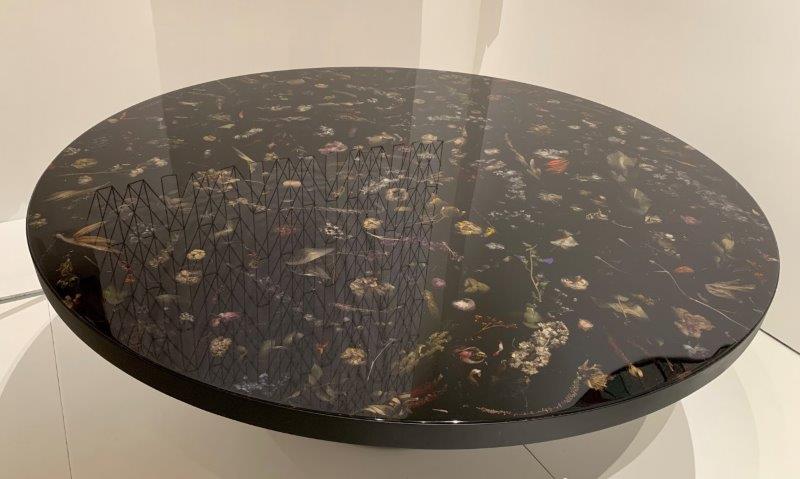
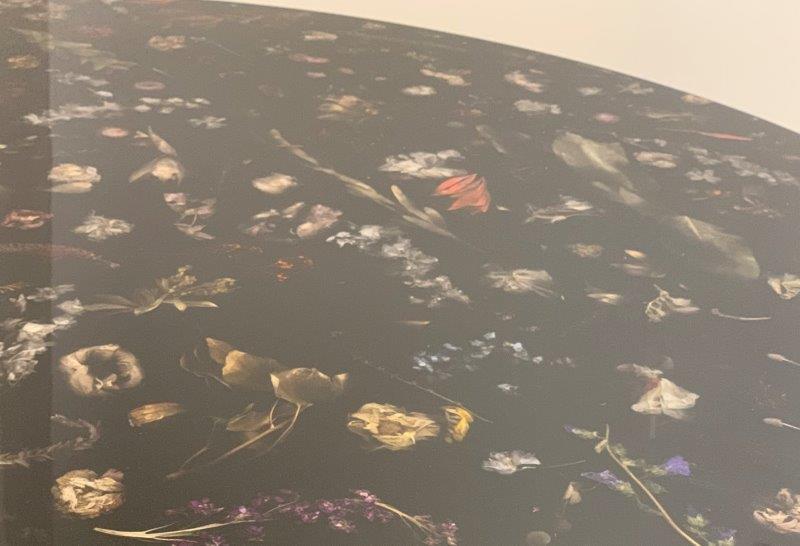
Marcin Rusak’s Flora Table was an aesthetic encapsulation of preserved flowers in resin. However, as much as I could stand and admire the table’s aesthetic beauty, there is no denying the fact that resin has been out there for a while now, with more and more DIY artists embracing the material to preserve organics in making jewellery, river tables, and possibly other flora tables. Hence, the first question – originality? And the second, more important question, the ethics of using such a massive quantity of resin in this day and age. The table made me think about the possible organic, or less toxic alternatives for resin, in the otherwise genius idea of preservation and presentation of organic elements. I made a mental note to look up the ingredients of bioresin and recipes for clear and hard bioplastics that could be used for prospective organic fossilization.
The Nuatan technology presented by Crafting plastics! studio seemed like what I was looking for in terms of material inspiration. I realized that I had come across similar work at the FOOD: Bigger than the plate exhibition at the V&A, and later found out that it was by the same studio. It was interesting to note the different textures, opacities and extrusion sizes achieved in the creation of samples, suggesting the material’s potential application as an alternative plastic.
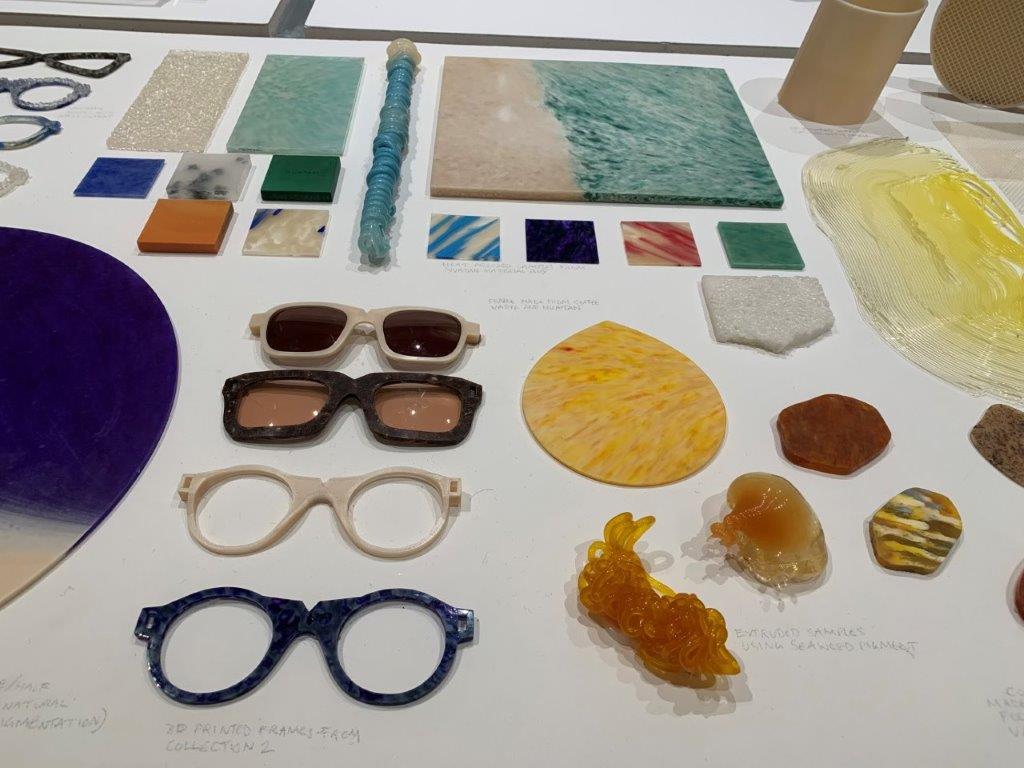
Nuatan Technology at the Design Museum 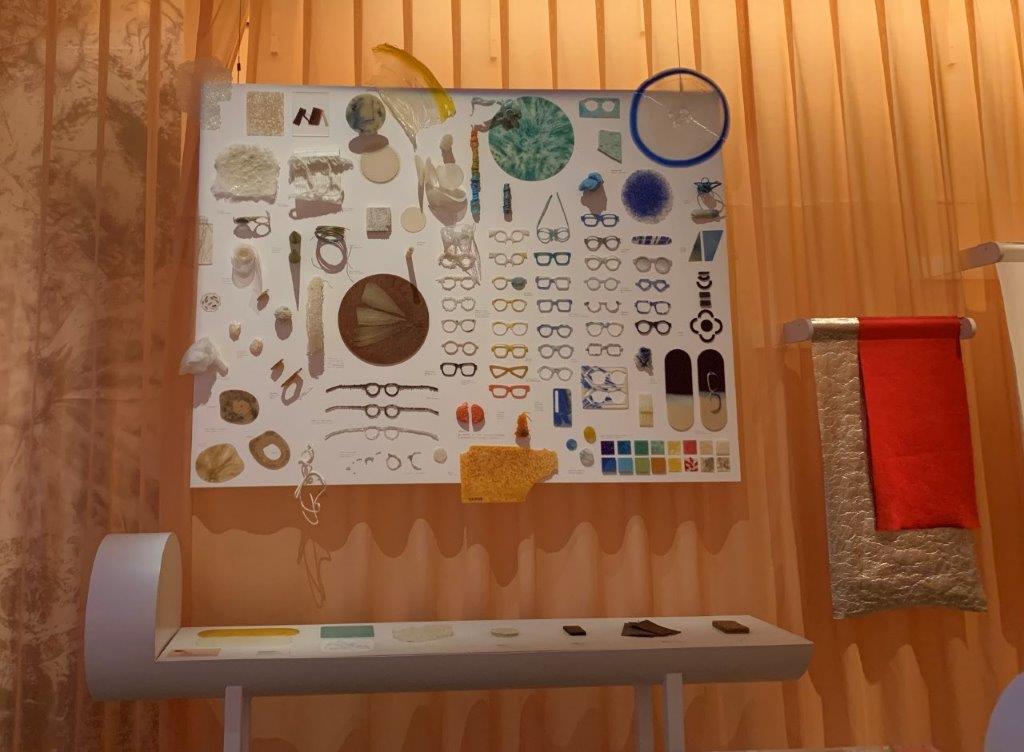
Crafting Plastics! at the V&A
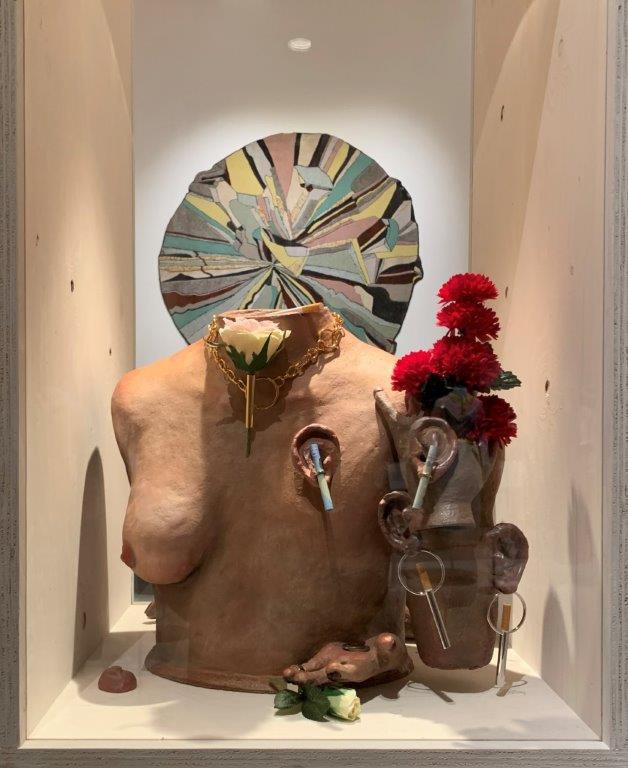
D’heygere’s cannister jewellery spoke to me in its open invitation for the expression of individual identity for its potential wearer.
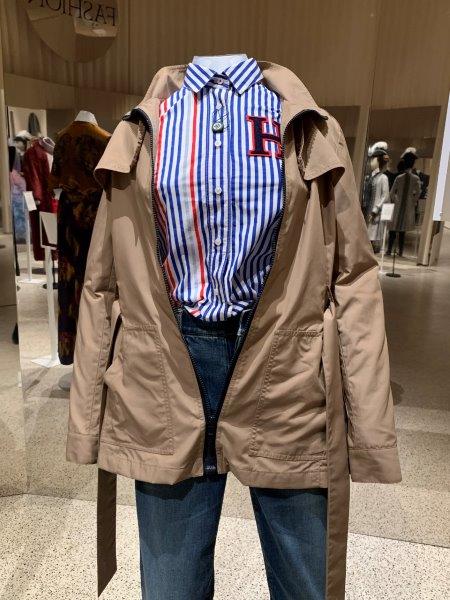
Some other exhibits that I liked included ‘Adaptive’, a sample outfit from a collection of accessible and inclusive clothing (although I would have liked to be able to touch and experience the accessible zippers and velcro fastening system), Pentagram’s signage system incorporating consistency within various languages in representation of architectural elements, Diller Scofido + Renfro’s ‘The Shed’, a telescopically openable Performance Centre for New York City, and the ProxyAddress project by Hildrey Studio, allowing basic civil infrastructure for London’s homeless population.
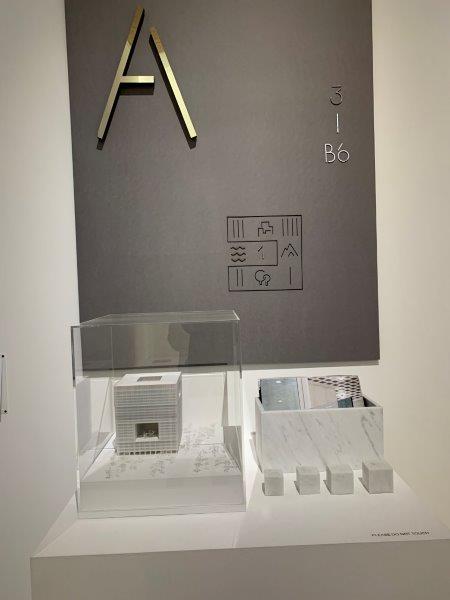
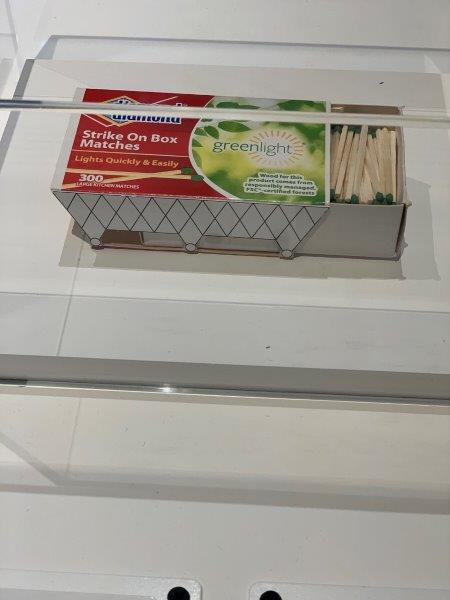
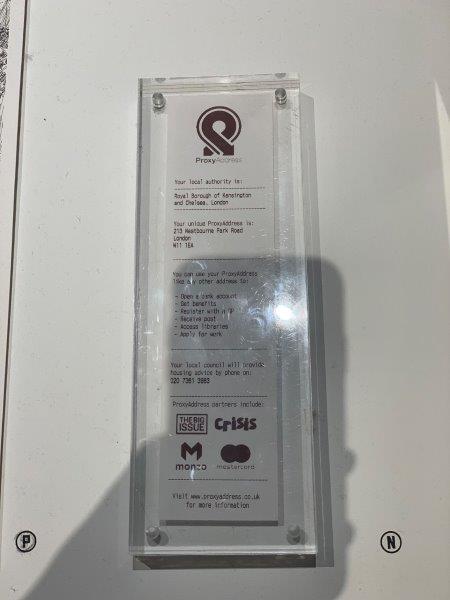
Designer Maker User Exhibit
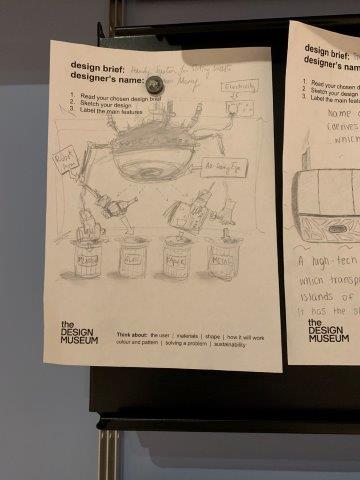
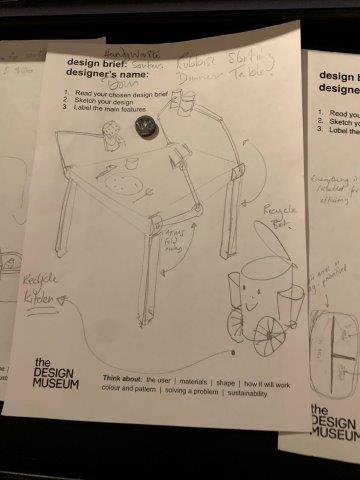
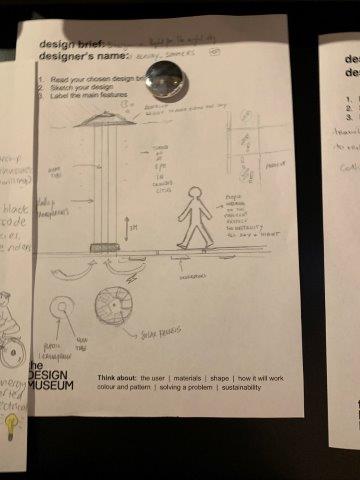
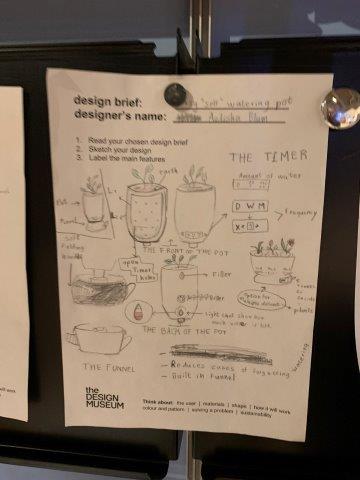
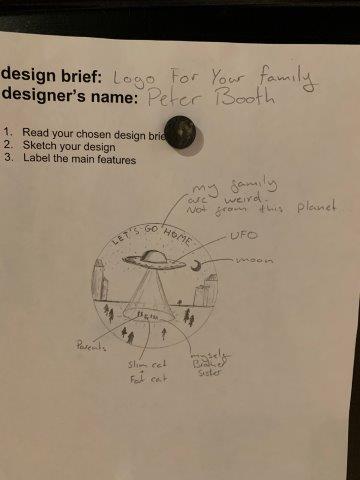
An interesting discovery in the Designer Maker User exhibit within the Design Museum was a set of viewer responses to problems inviting the museum goers to solve pressing issues of the day. The drawings reflected a lot of deep thought into problems such as waste segregation and street lighting, while also expressing succinctly, the idea behind the solution. I was inspired by the simple, yet communicative drawings and innovative responses of (presumably non-designers and/or children?) visitors and hoped to push for better communication from my own drawings. Moreover, I thought about the current culture of ‘hackable’ furniture and the user-maker scenario, acknowledging the innate sense of innovation applied by users of products, in customizing and even refining their ‘owned objects’ for their specific usage. This made me curious about user patterns for functional objects, and the idea of a user-guided development process as an approach for my design problem (Once I define what that is).
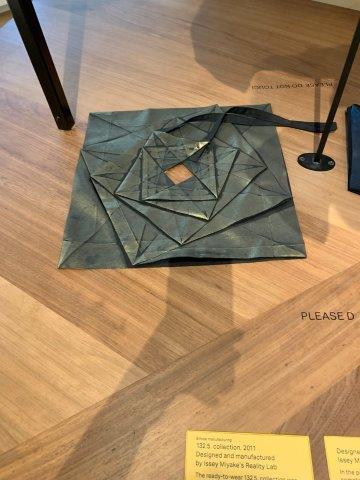
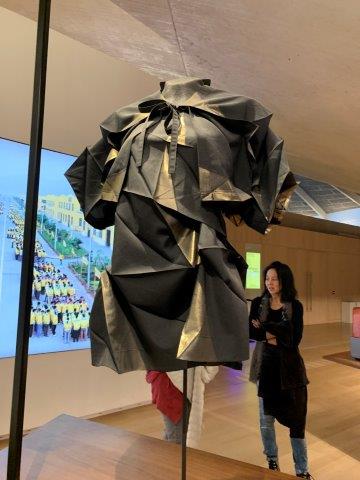
Issey Miyake’s Origami-style garment conveyed an innovative way of constructing a garment, textured by the folds of its collapsible storage form, yet dramatic in its shape on the body.
Aram Gallery
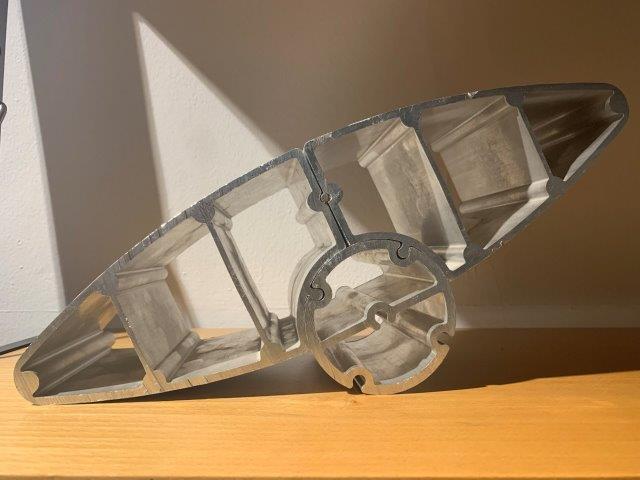
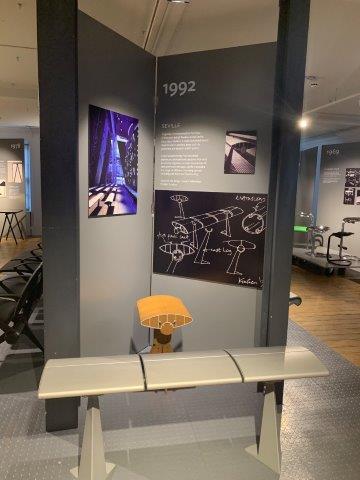
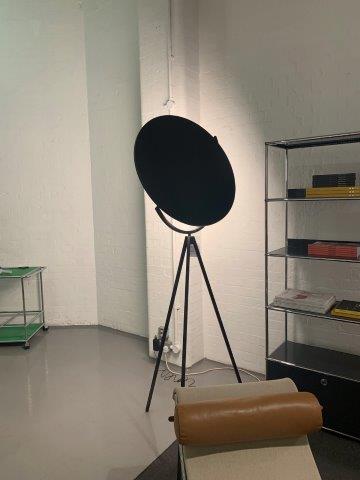
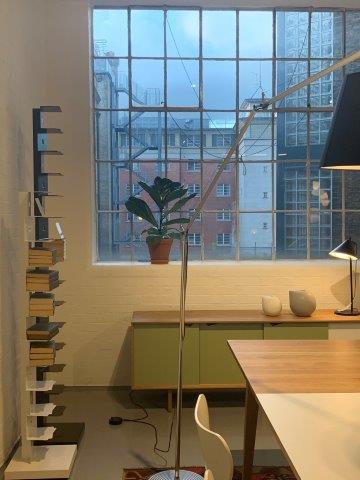
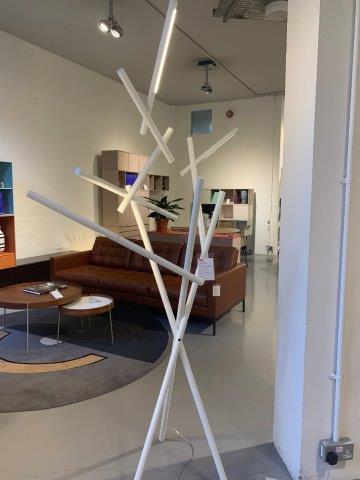
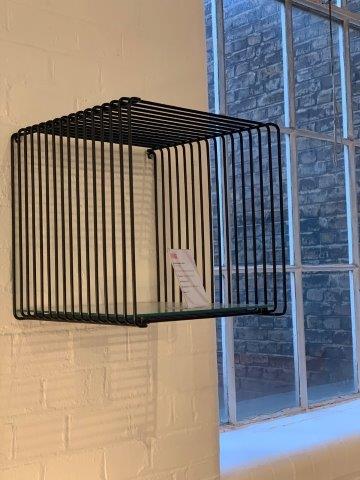
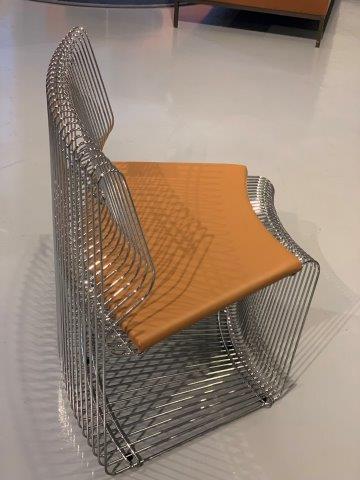
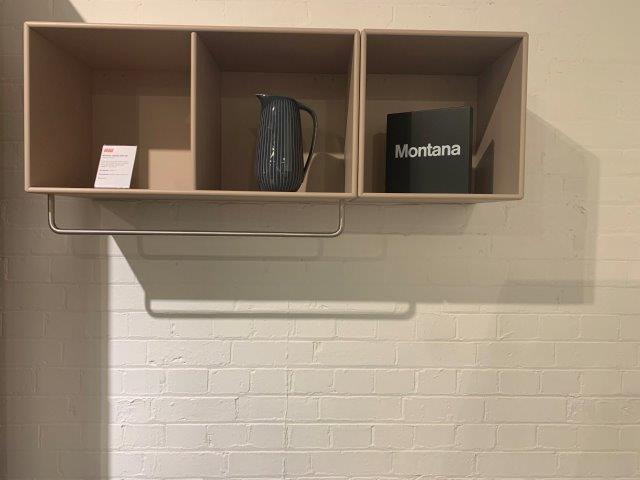
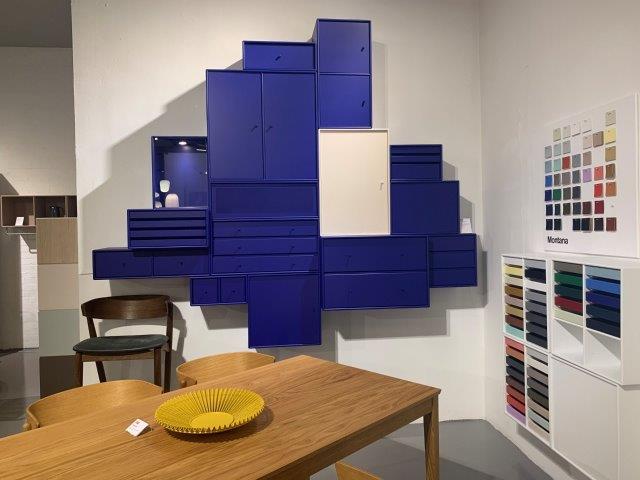
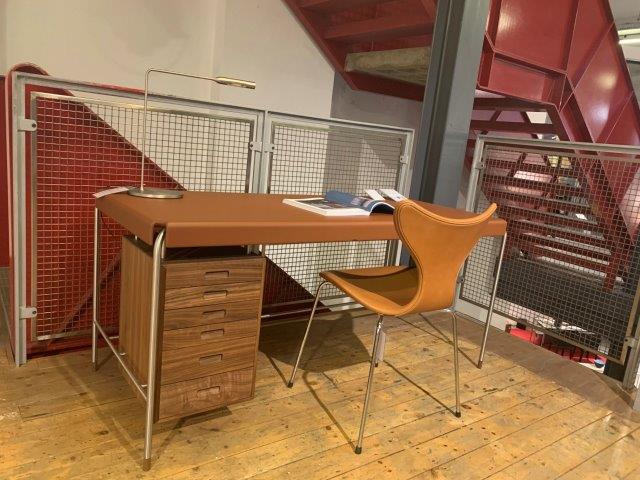
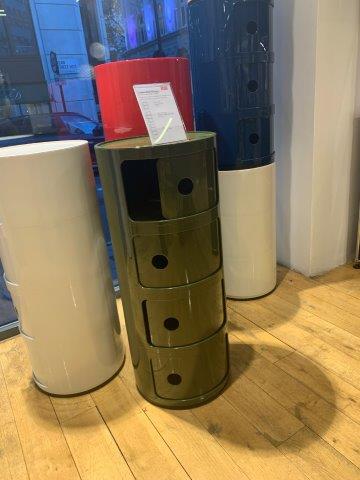
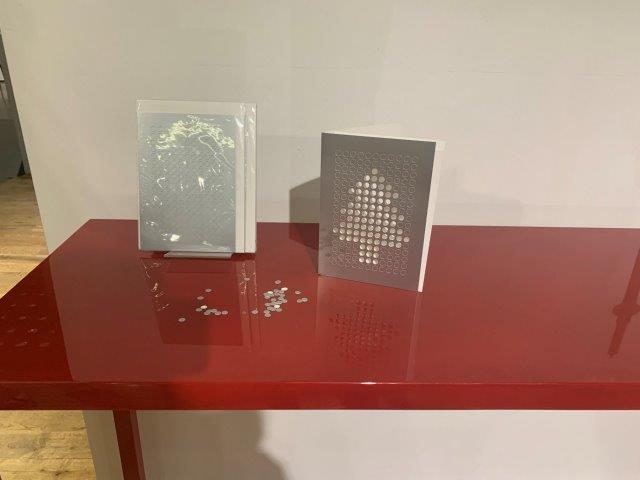
The Aram gallery had on exhibit, the furniture by Rodney Kinsman, while the Aram store housed some interesting commercial pieces of furniture and homeware. I was most interested in the wireform shelves, stools and chairs, apart from some eclectic (Postmodern?) light fixtures.
180 The Strand
The ‘Other Spaces’ exhibit at the Strand was an immersive play of light and sound in experiential design. A dark room with oscilating pendant lights synchronized with faint sounds, a laser installation highlighting perspective, and the Great Animal Orchestra, were some of the exhibits I enjoyed here. I thought about the varying levels of engagement that sound and moving light can allow, in the communication of an idea or an issue.
Speed of Thought Exhibit:
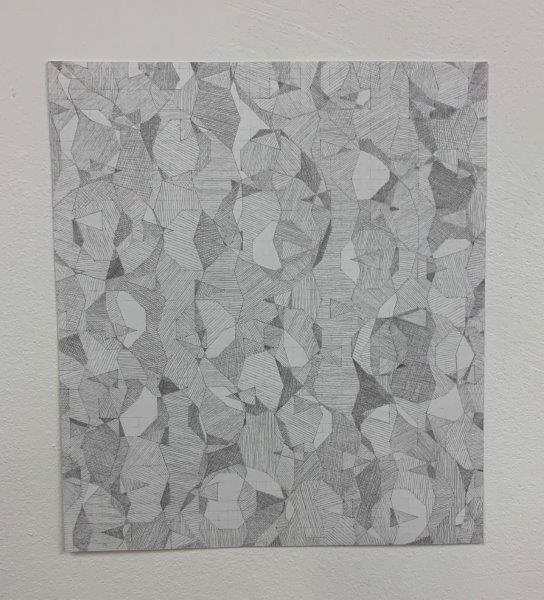
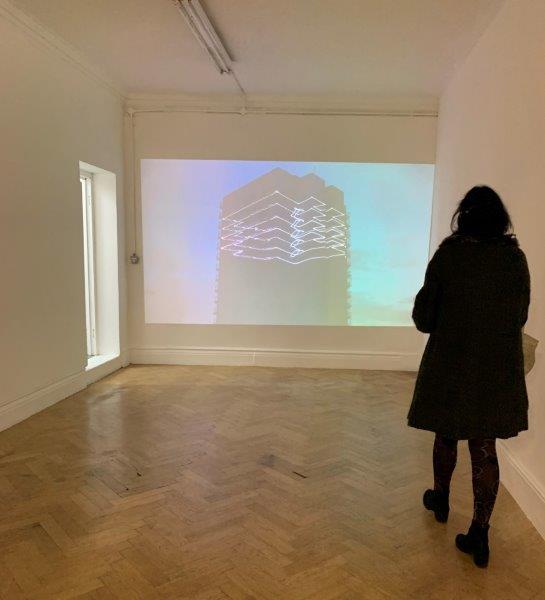
The Speed of Thought, co-curated by Isabel, was an exhibition of individual thought process, made tangible through the use of a variety of materials, processes, techniques and executed at various stages in the practice of artists, designers, architects and scientists. Some of the works made me feel like I had enterd the mind of the artist, while others informed me of the innovative ways practitioners planned, thought, devised, created and presented. I liked Lee Trimming’s ‘Work in Progress’, for its simple overlapping shapes formed by joining the corners of a squared page notebook. I wanted to go back and try it as an exercise in ‘unplanned’ expression, or simply as a stress relieving technique. Another interesting work was the projected video of conceptual sketches of an Architectural Design, projected on the facade of a building under construction. The projected sketches may have served to interact with viewers of the building, suggesting what was to come when the building was complete. It seemed like a unique and impactful way of communicating with a prospective audience, and acknowledging the role and importance of a passer-by or neighbor, in the creation of a piece of architecture.
All in all, the day was full of stimulus, enough to spark questions on my direction and approach toward this exciting new project.

 design factory