
25 October 2019
Surface Generation: Wires
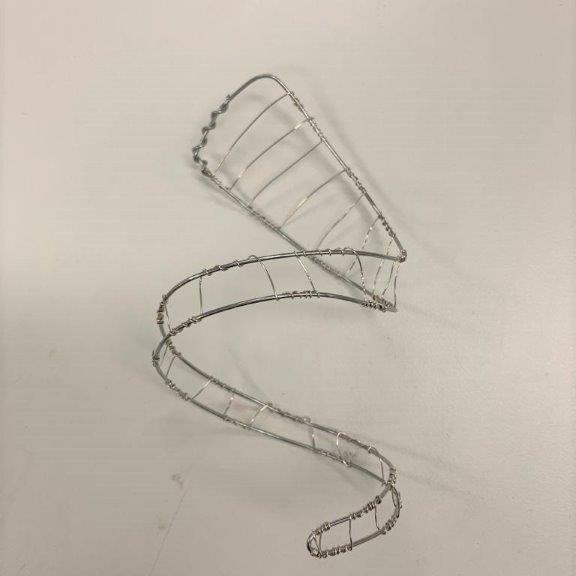
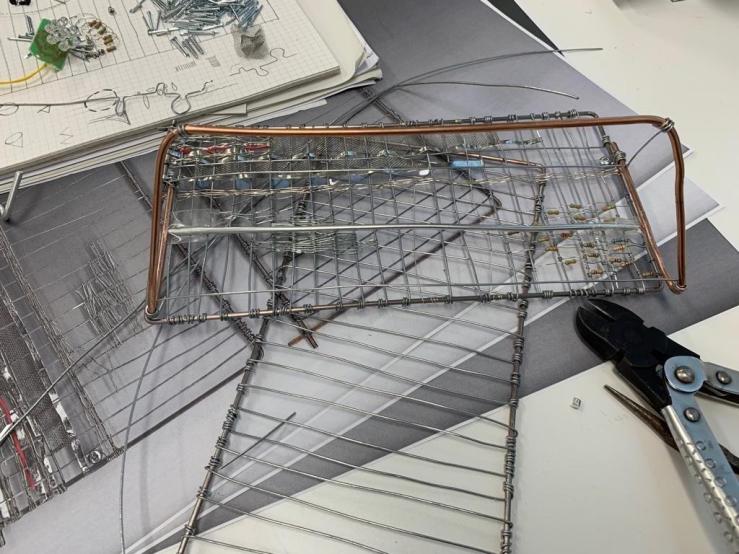
Steel Wire:
- Keeps form when wrapped tight
- Wrapping is hard even with pliers
- Loses shape in 3 dimensional wrapping
- Extremely useful for replacing hardware – wire wrapped lid pivoting along thicker copper wire forms a hinge
Silver wire:
- Useful for filling in smaller areas where wrapping steel wire isnt possible
- Expensive
- Adds interesting shine to surface
Copper Wire 3mm dia:
- Extremely rigid, keeps 3 dimensional shape
- can be bent with tools but doesnt give sharp angles
- Adds interesting colour tone to wire form
Nickel Alloy:
- Extremely soft and easily usable considering strength
- useful for smaller areas (fixing latch)
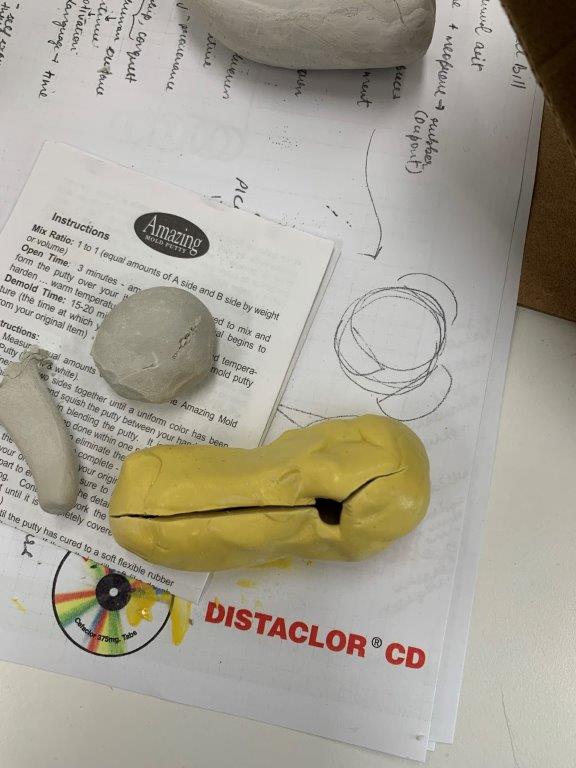
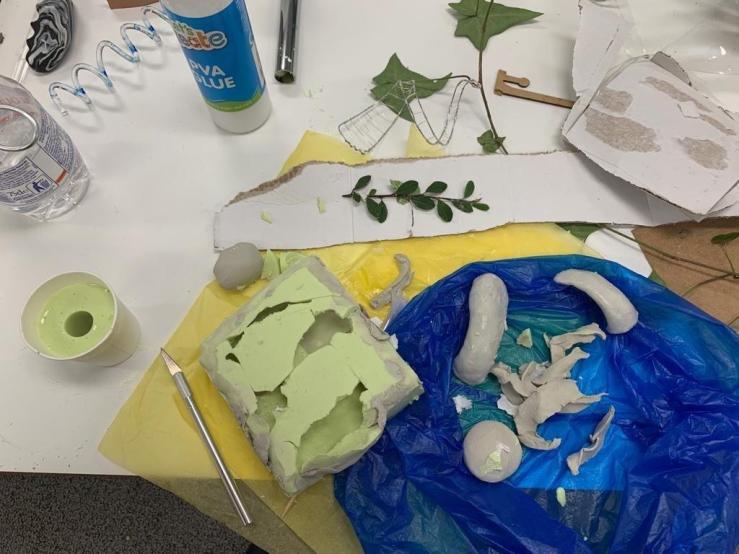
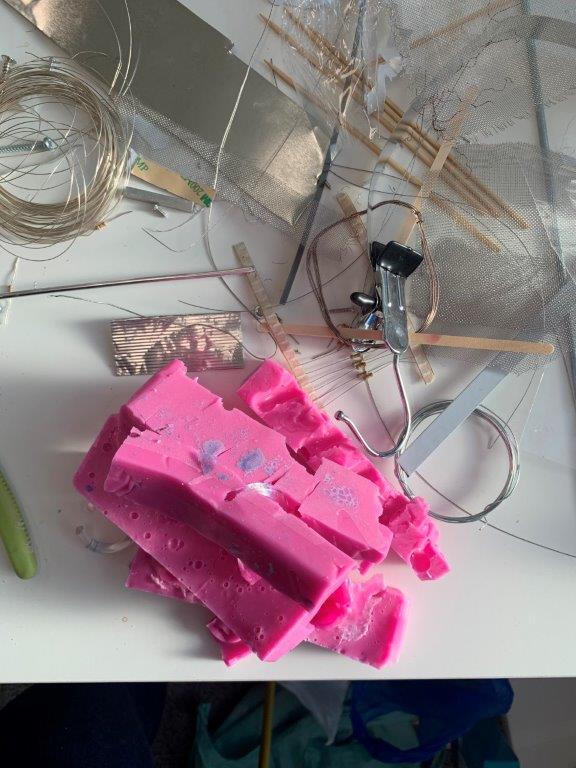
failed silicone mould of spiral handle
Mould making materials:*
Silicon Putty (Amazing casting products) :
- Very rigid, cannot accommodate any soft materials
- Expensive
- Even mixing is difficult within extremely short setting time
Alginate 1:2 (Alginart):
- Reasonably priced
- Retains and drips water
- Not good for plastic moulding
- Bubbles and texture
2 Part silicon mix (Barnes):
- Easy mixing
- Manageable setting time
- least messy
- expensive
- failed only during spiral casting
*Need to study impact of each on environment
Casting materials:
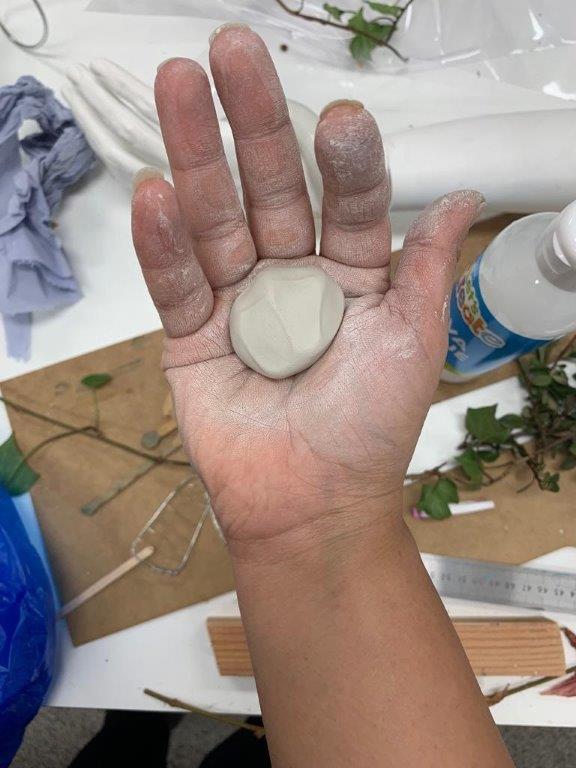
Air drying clay:
- Easy to use
- Reasonably priced
- Not good for casting moulds for glossy finished prototypes – bits of clay remain on mould and transfer onto next moulding medium
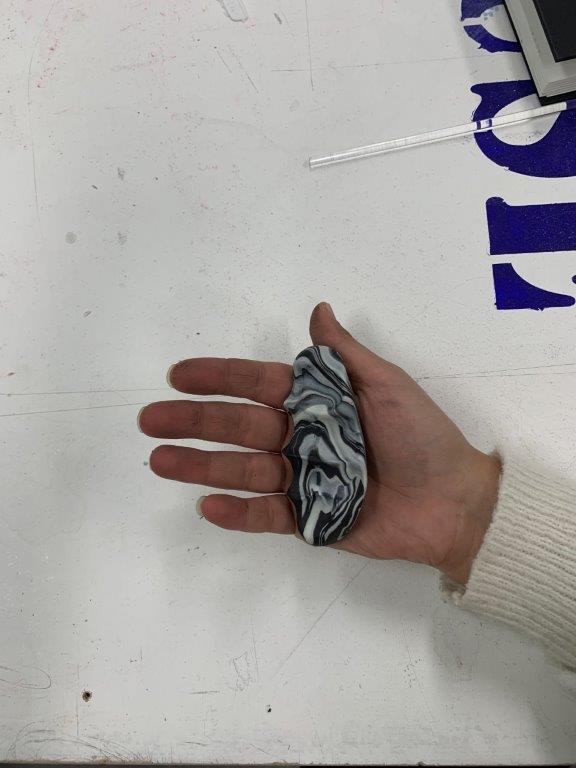
Oven Baked Clay:
- Allows glossy surfaces
- Keeps shape without baking (Partial air drying)
- Expensive
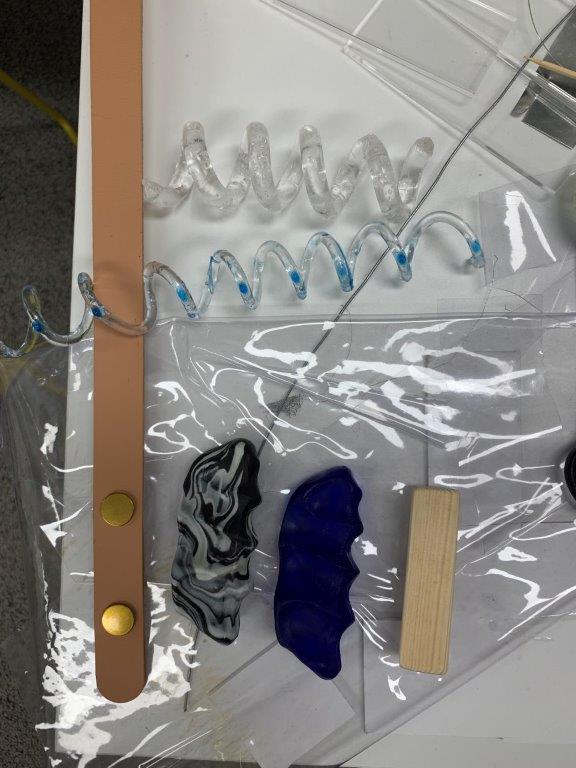
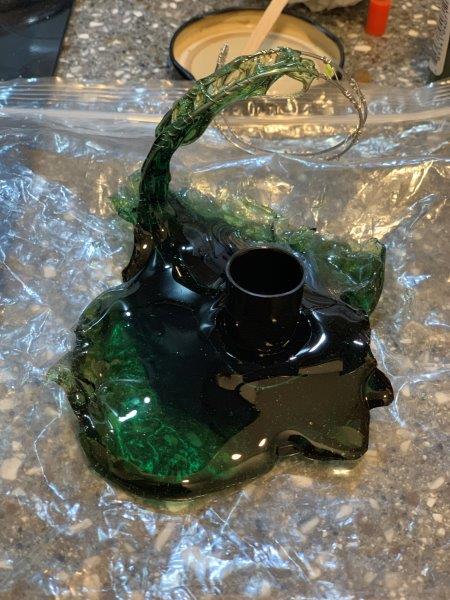
Resin:
- Toxic fumes
- Surface irregularities on mould make it lose transparency
- Captures details
- Hard, durable
- Can be dyed with specific dyes
Candle wax:
- Difficult to cast, yet dipping and layering is possible
- Surface irregularities can be melted away
- Sets much quicker than resin
- Allows colouring with dye
- Comparatively cheaper
- Not durable for a commercial product, good for a depictive prototype
Weaving Materials:
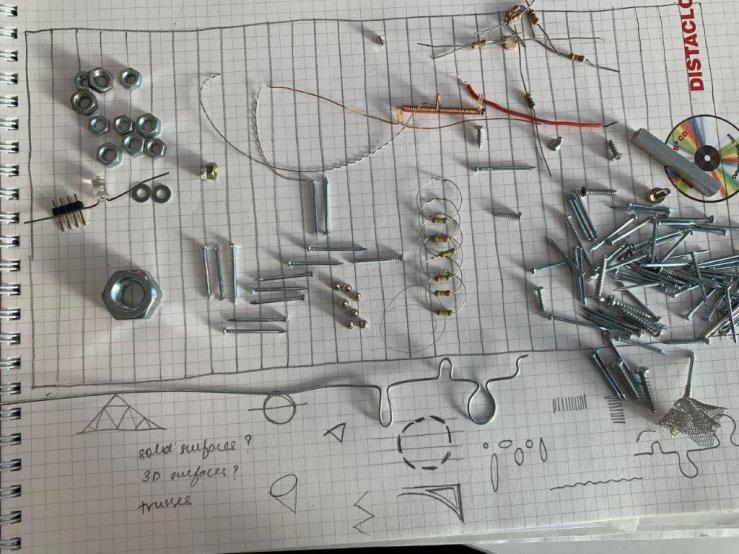
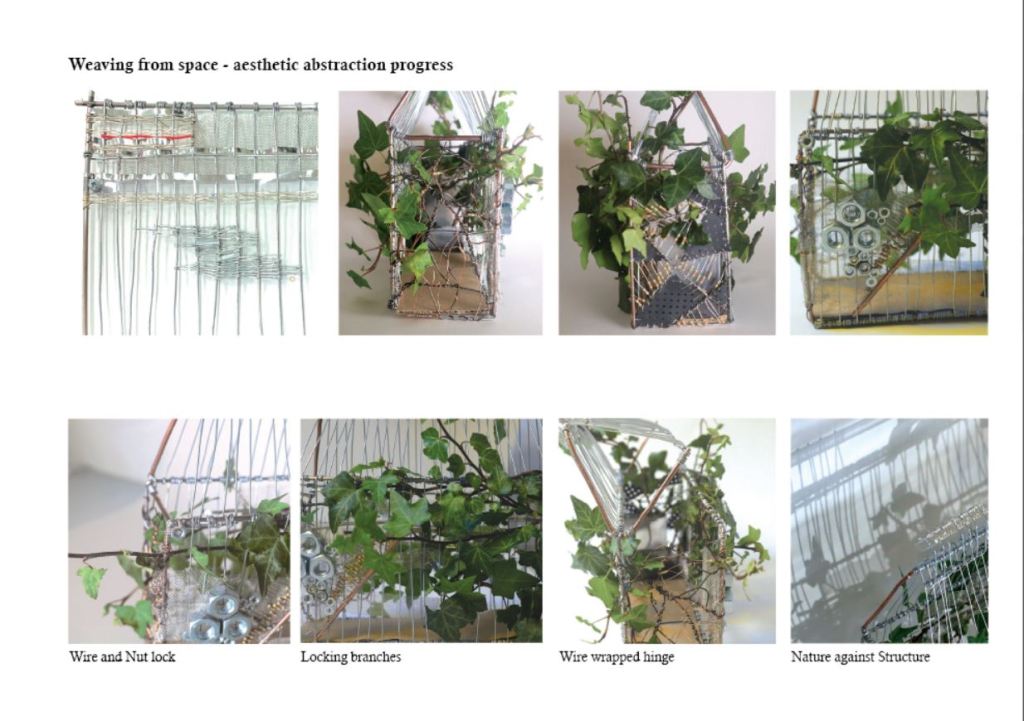
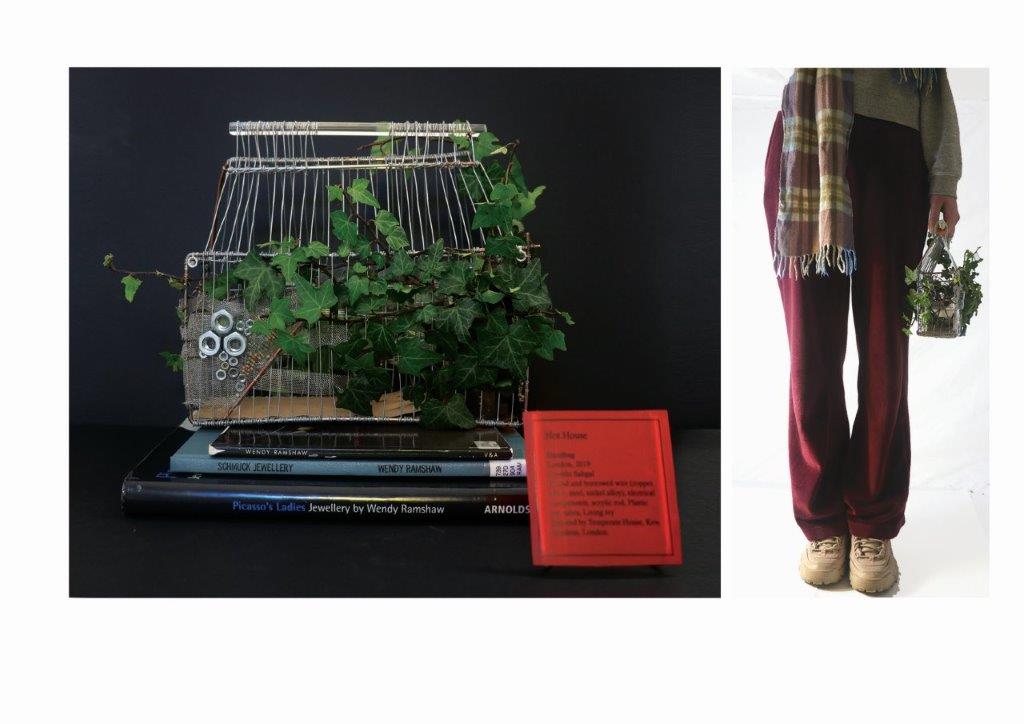
- Nuts form interesting compositions while allowing negative space for plants to creep through
- Varying forms of steel wire – no dynamic contrast with steel wire on vertical cage
- Wire mesh – interesting surface, many sharp edges
- Resistors add colour and enhance geometric composition
- Contrasting twisted wires – add texture and interest
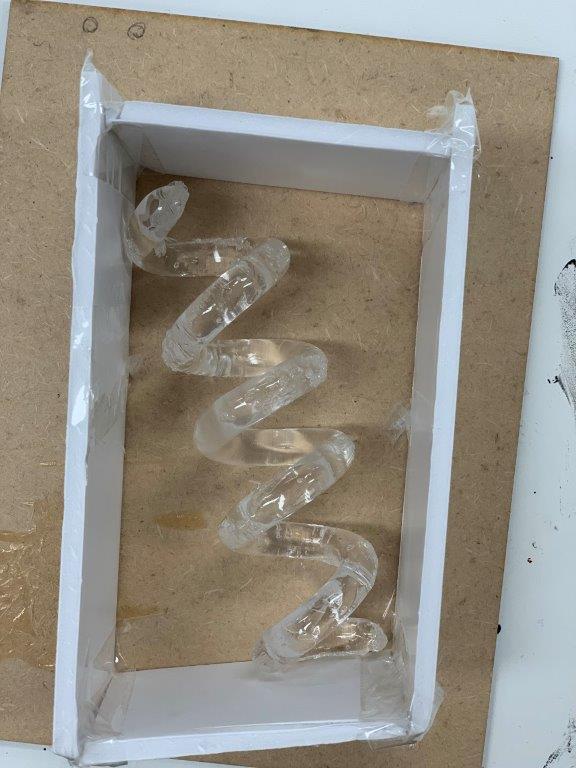
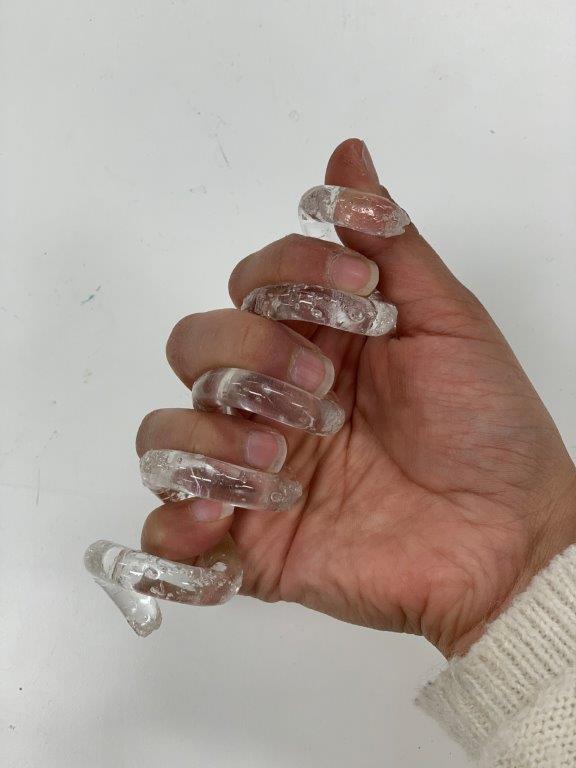
Handles: Acrylic rod and bar
- Easily transformable into desired curving shape
- Thicker rods can overheat forming bubbles on surface
- Can be cut using Jewellers saw
- Sixe – 5mm dia – not ergonomically responsive

 design factory