
21 October 2019

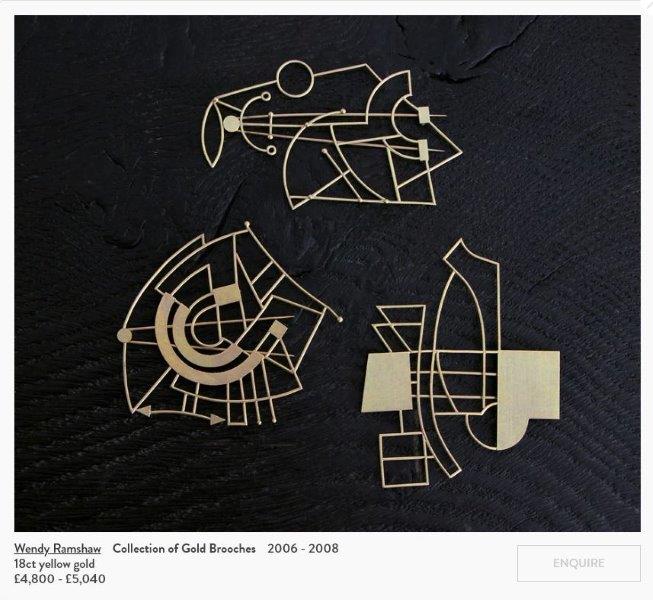
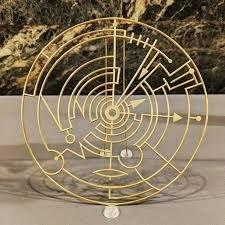
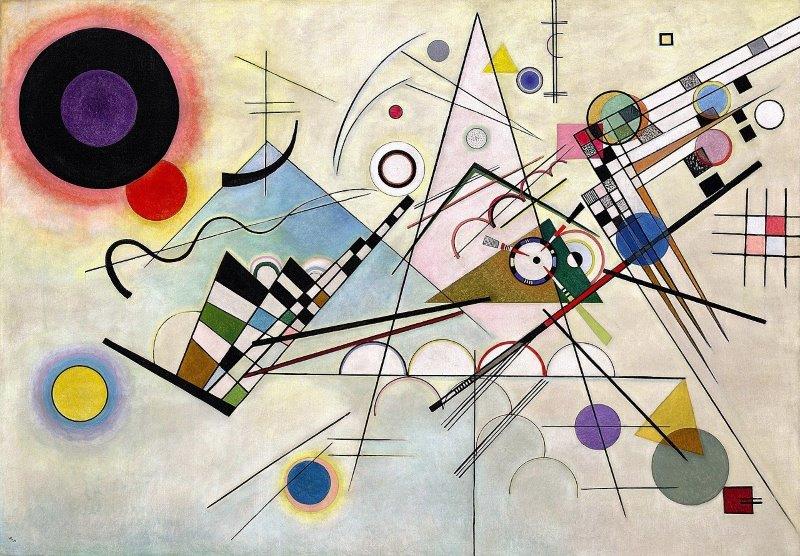
Wassilly Kandinsky’s artwork played a major role in Wendy Ramshaw’s aesthetic compositions
Taking my weaving as a fresh start, I revisited Wendy Ramshaw’s subtle abstraction of contextual elements to inform the aesthetics of the handbag.
Architectural Projects:
- The Pilgrim Doors, Southwark Cathedral Millenium Building, London : panels inspired from maps – places – names; handles inspired from pilgrim’s staff – strong embodiment of the pilgrim, journey, without literal abstraction
- Mobray Park Gate, Sunderland : Mural when open, play of shadows when closed, “…the unexpected happens”; flowers – collection inside museum; maps, navigation instruments – industry of the city
- St John’s Gate, Oxford – centre – lens like transparent gem
- Double Screen EH9681, Victoria and Albert Museum, London: optical lenses – one celebrating material galleries – by holding material samples, other a miniature version of the screen itself – details
Jewellery Projects:
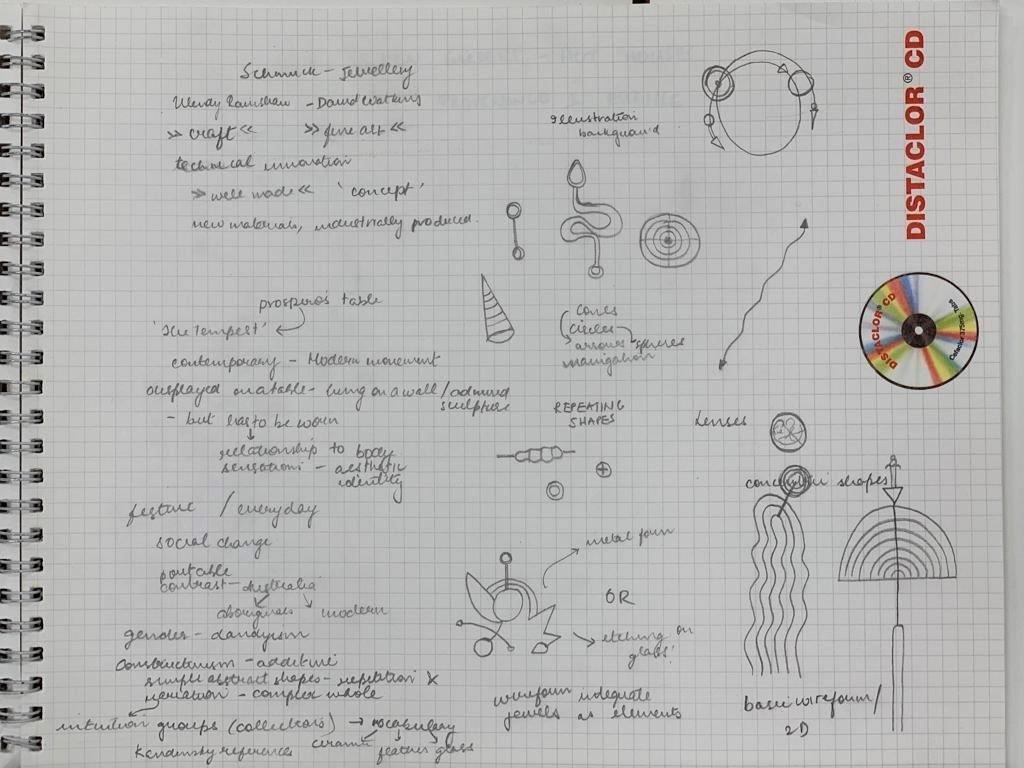
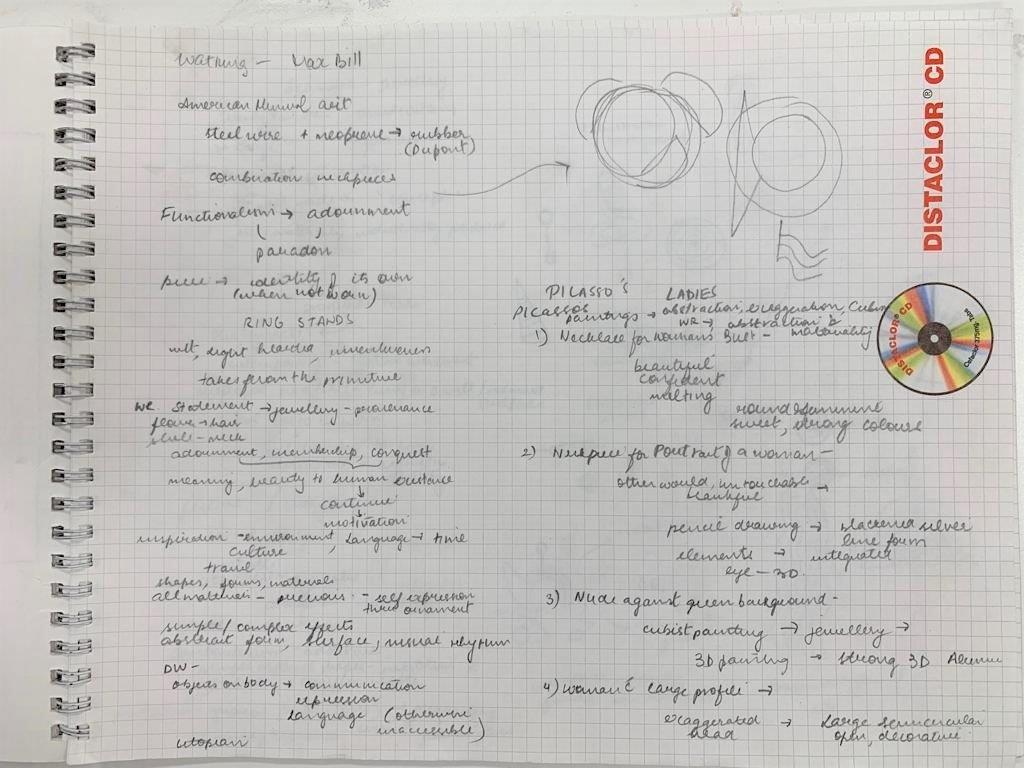
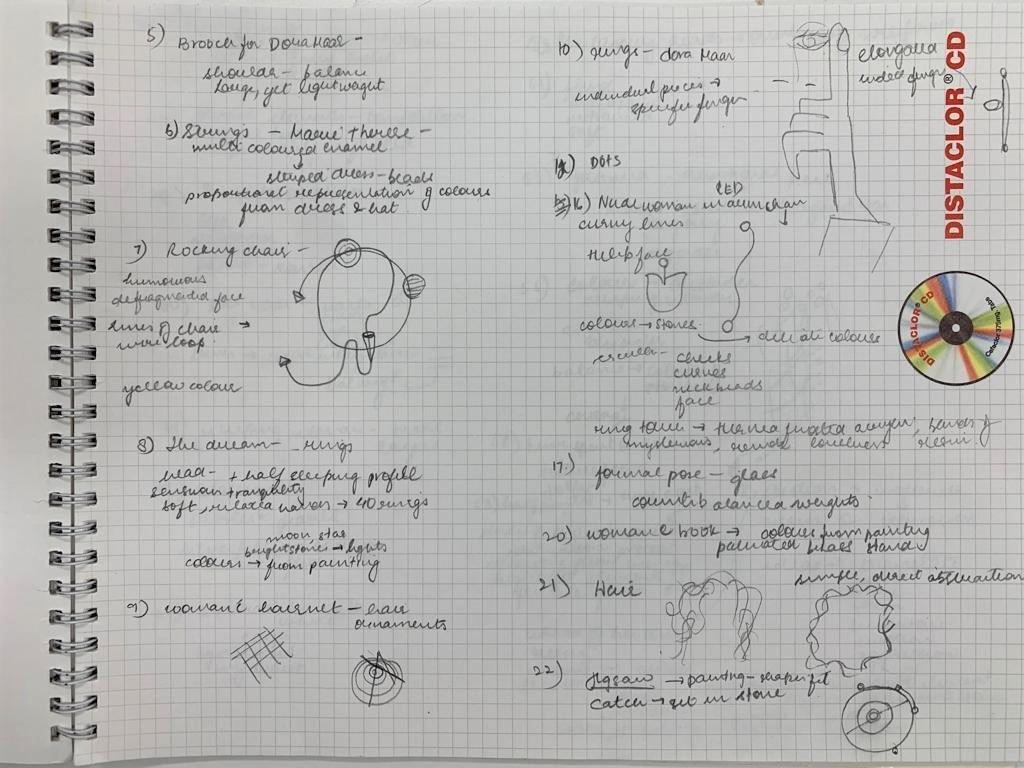
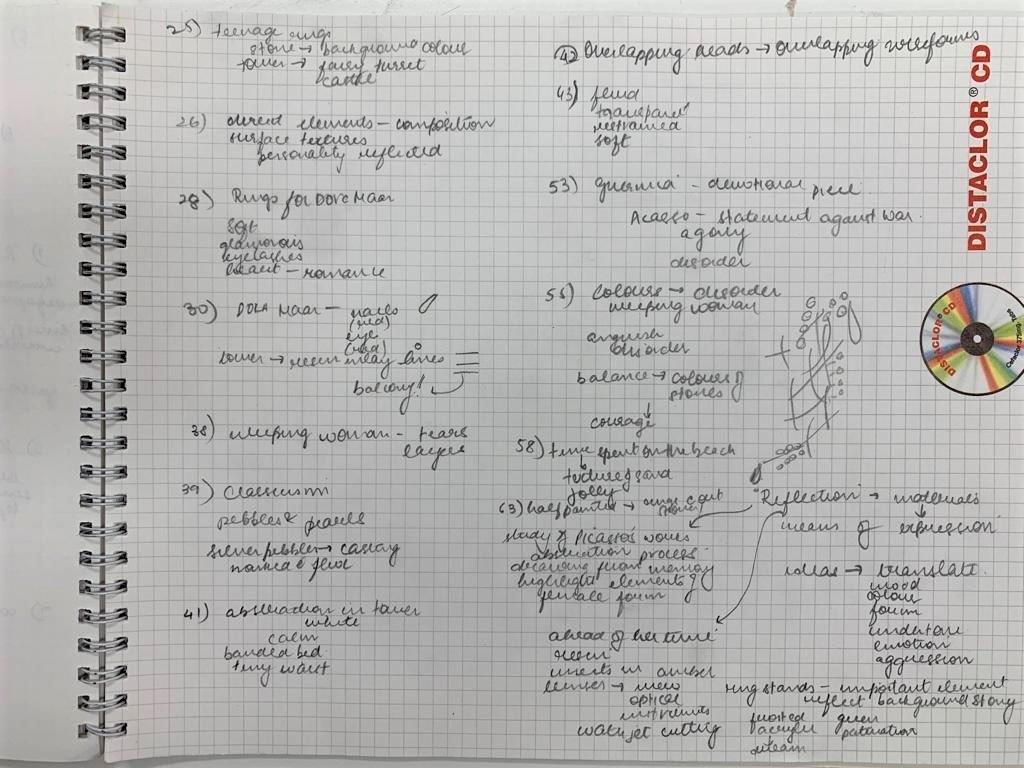
Some abstract pieces that I am inspired by:
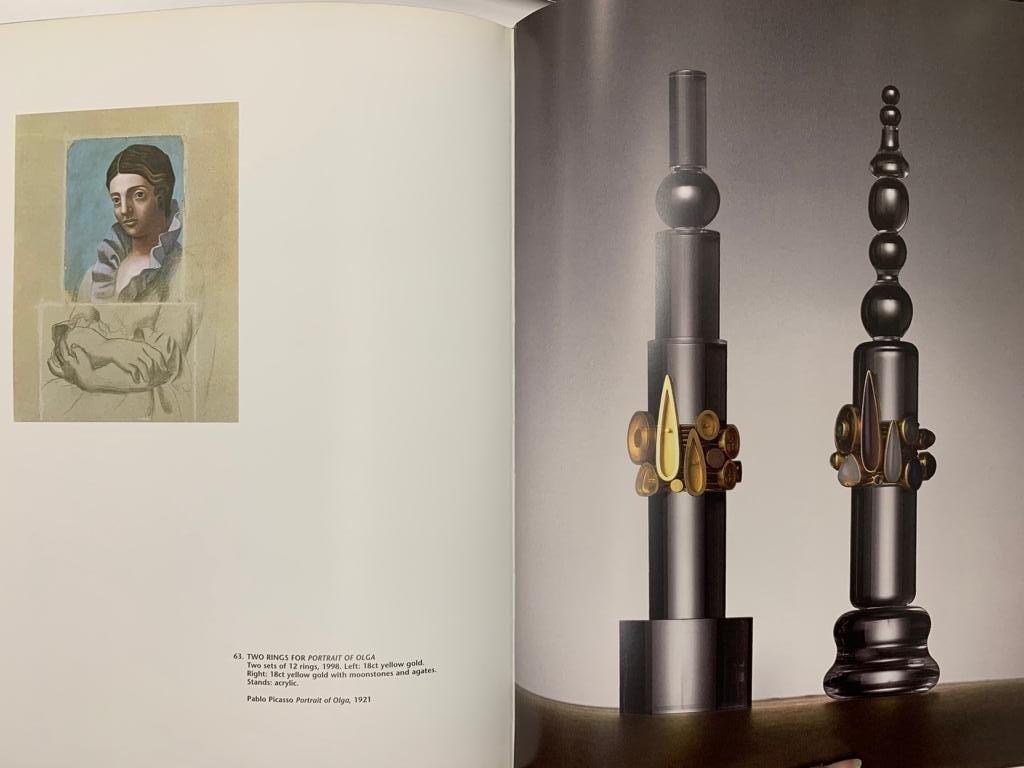
Empty Stone settings suggesting half rendered image 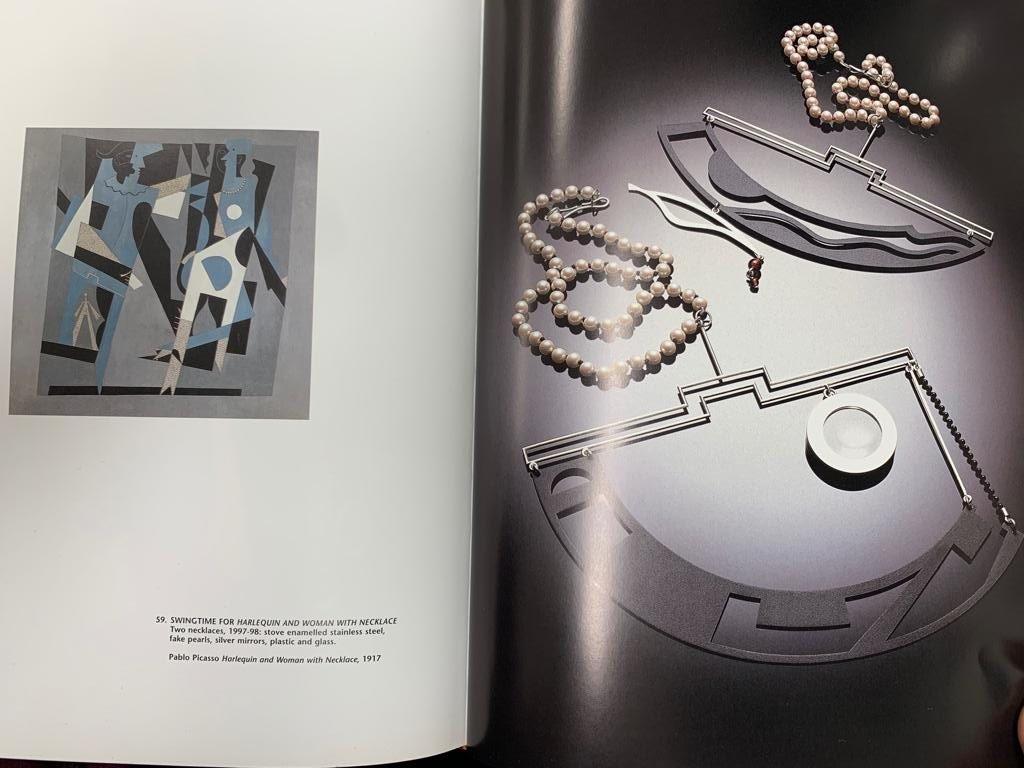
Collage qualities invoked in material usage, contrast, pearls, composition, complex shapes 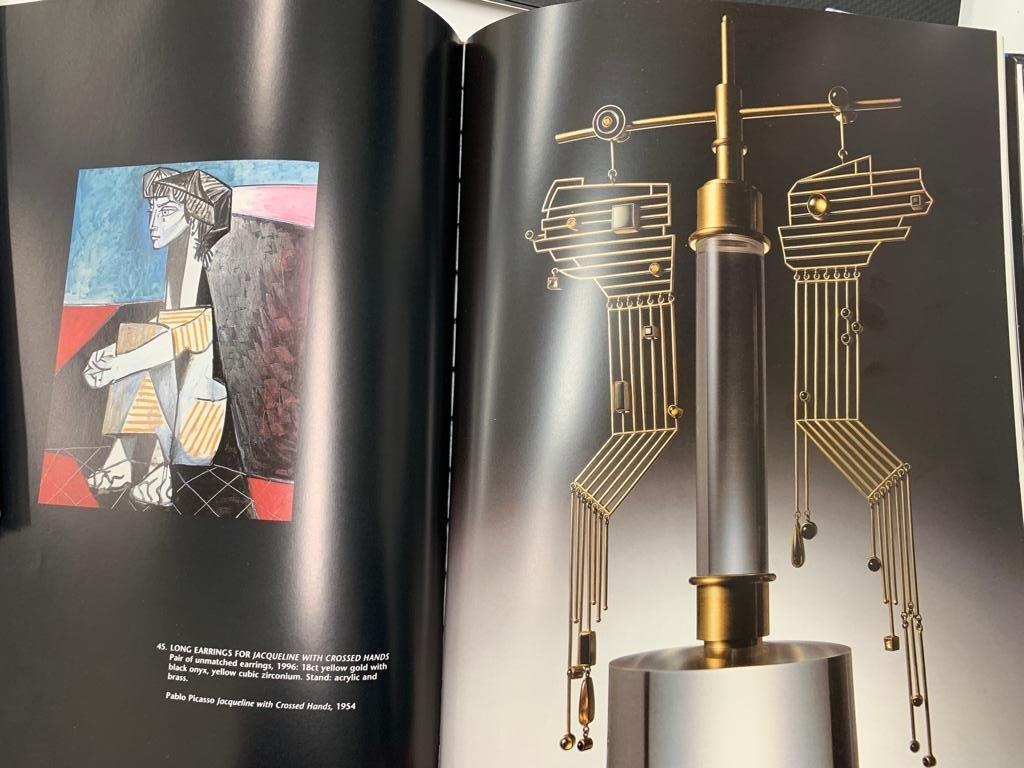
Geometric abstraction of rigid form of sitter, striped clothes 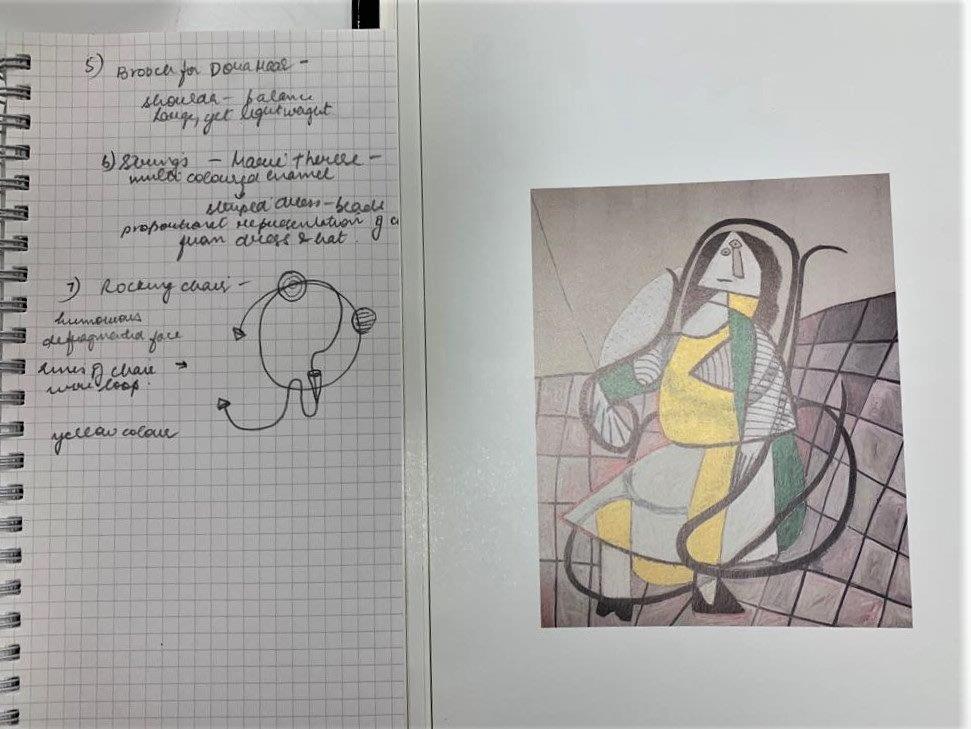
Lines from rocking chair govern the loops of the neckpiece while the sitter’s dress defines geometric solid elements
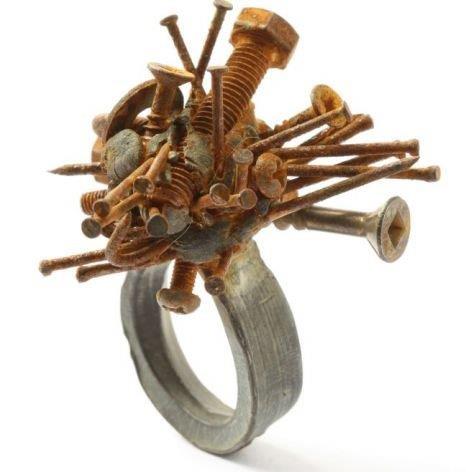
Material Palette – Karl Fritsch Screw ring 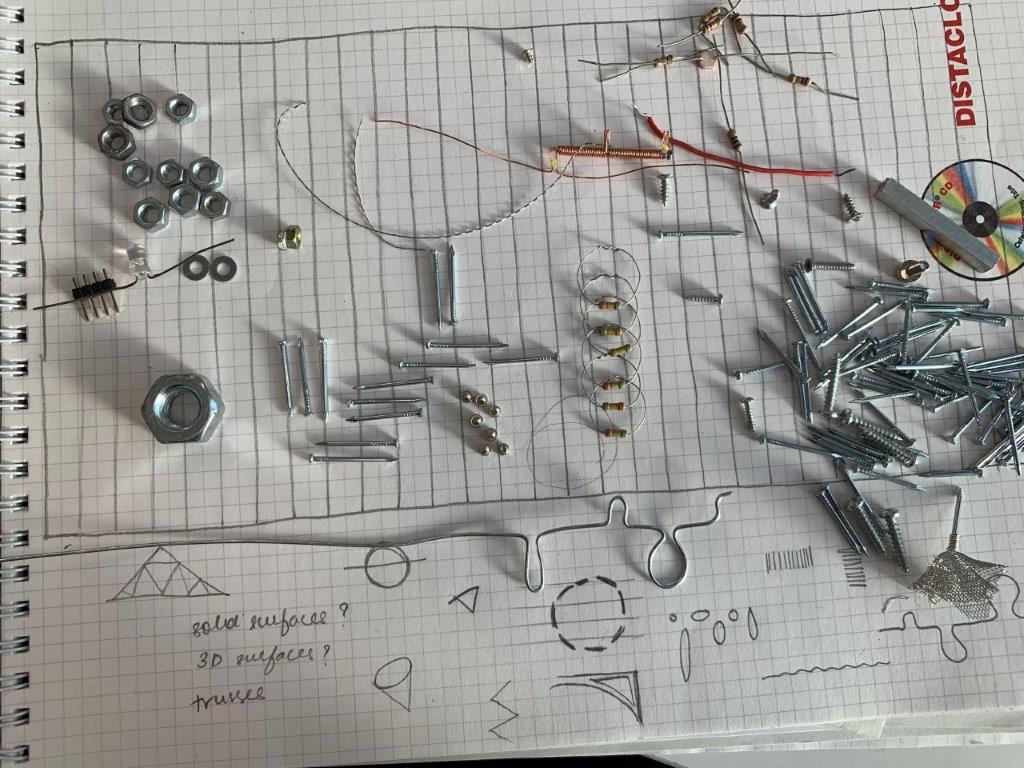
Revisiting my selected palette – pushing materials to convey the narrative..
New sketches for Lid of handbag
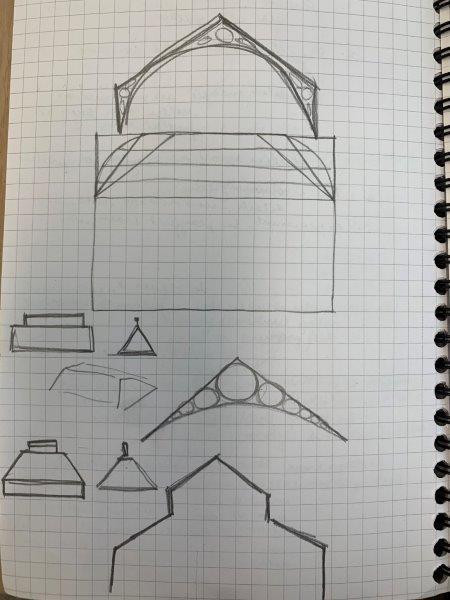
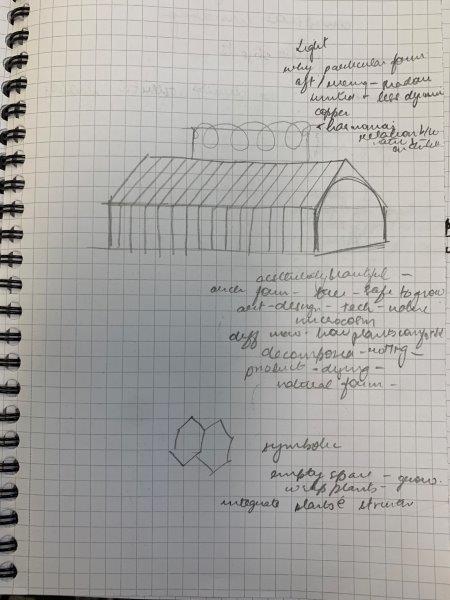
Pointers for weave aesthetics:
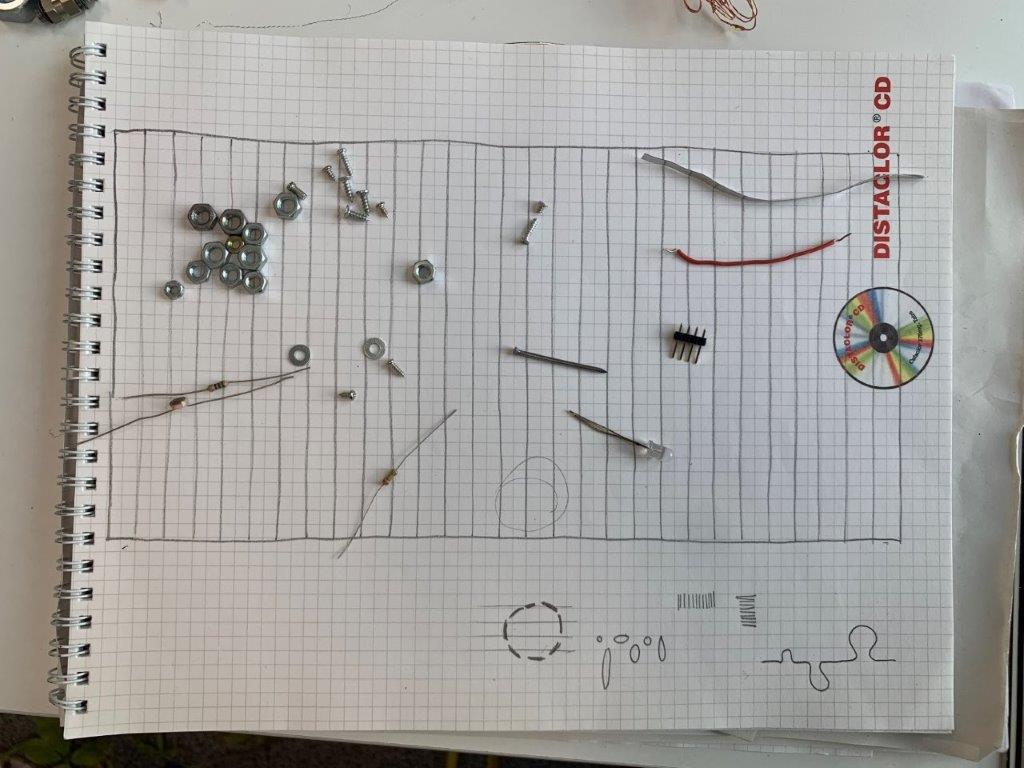
- Explore more shapes and forms within weave
- dont be limited by warp spacing as rigid grid – play with dimensions, surface, solidity, 3d
- Curves? as opposed to just linear elements
Thoughts:
Studying Wendy Ramshaw’s pieces brings to light her ingenuity and creativity in different light, each time. In her Architectural works, there is a strong essence of navigation tools and optical lenses as viewing tools. She has been a pioneer for incorporating new technology into a well-designed and well-crafted art piece. Her jewellery might have an interesting relationship to the wearer’s body, even though it has not been photographed on models much. Her abstraction process successfully translates moods, emotions, undertones, forms and colours from her subject. In Picasso’s Ladies, she has employed abstraction in various elements of jewellery – wire form shapes, strategic positioning of stones, stone cuts and shapes, stone colours, innovative material replacement, scale and layering, to convey the essence of Picasso’s portraits of Women. This study also introduced me to the abstraction process and styles of painting employed by Picasso himself, his aesthetic governed by memory drawings highlighting elements of the female forms.
Using this study, I would like to go back to my sources of inspiration, the Kew Gardens Hot-houses,and various landscapes identified, for a deeper material and aesthetic abstraction to be incorporated into the handbag.
References:
Print:
Ramshaw, Wendy and Watkins, David, Schmuck = Jewellery, (Pforzheim : Schmuckmuseum Pforzheim, 1987)
Vaizey, Marina, Picasso’s Ladies, (Stuttgart : Arnoldsche, 1998)
Online:

 design factory