
26 September 2019
After collecting object images from the V&A, I set about analyzing why I was drawn to certain objects, and why I liked some and disliked others. At the debriefing session with Scott and my Pathway peers, I discussed my objects and hoped to get some insight for future steps.
I chose to group some objects together based on functional/aesthetic qualities:
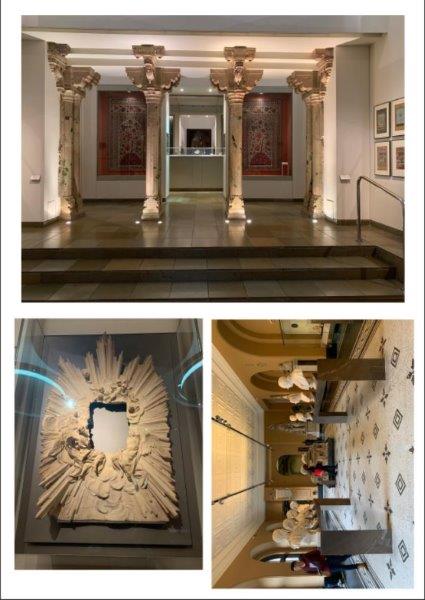
Architectural elements 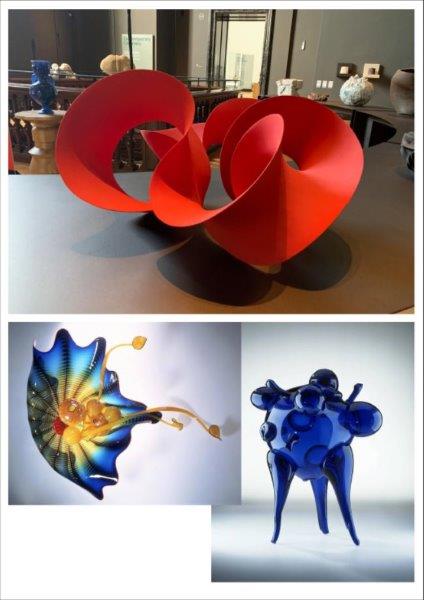
abstract forms 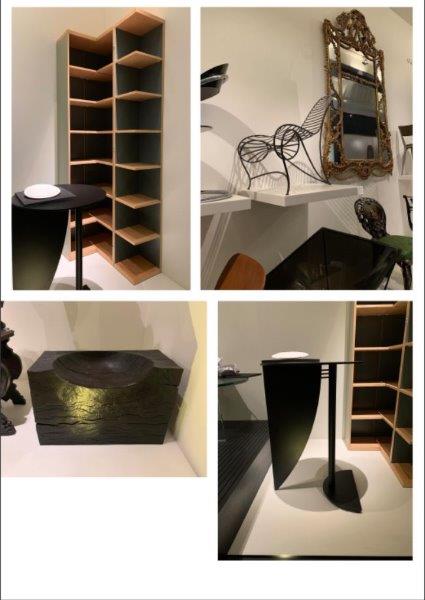
functional furniture 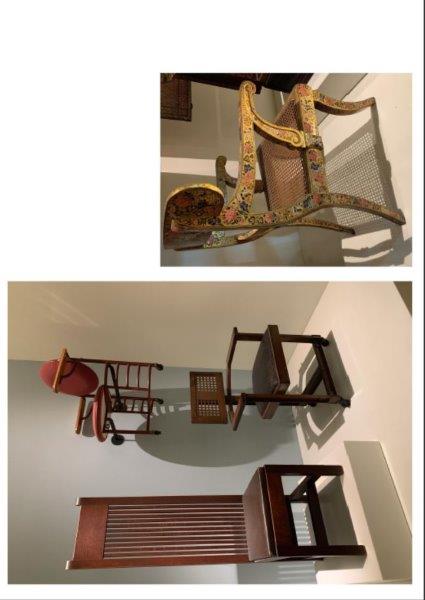
Heritage furniture 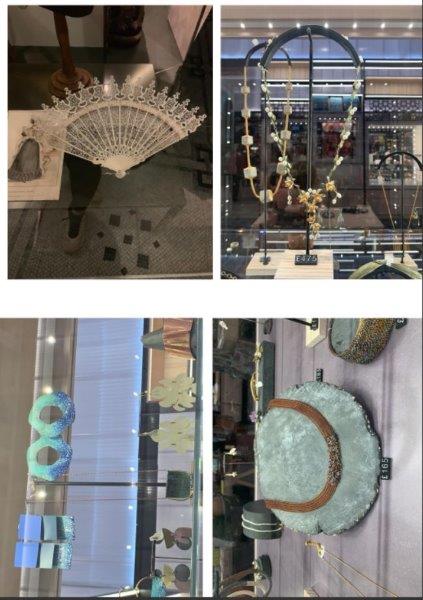
Materials in jewellery 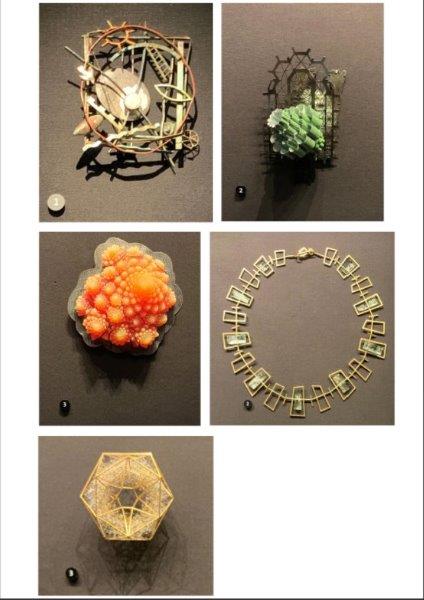
Modern jewellery 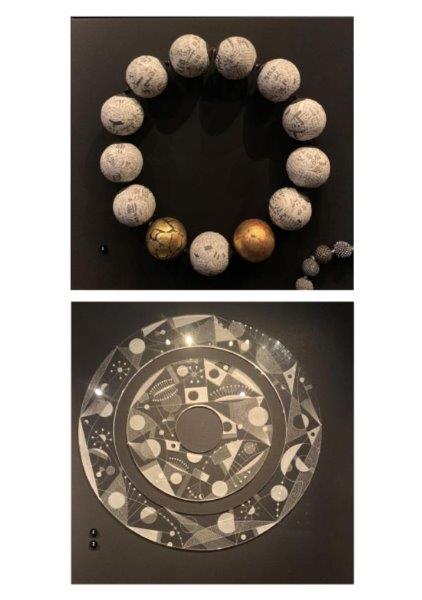
information through material medium 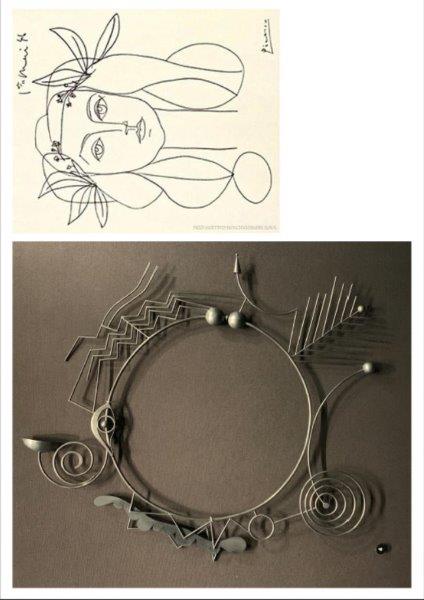
Picasso inspiration 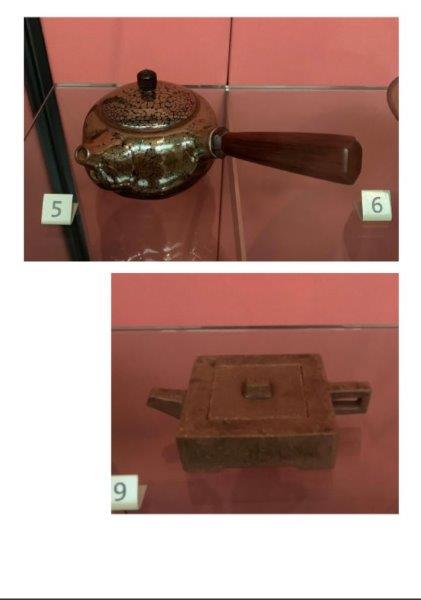
Forms and shapes 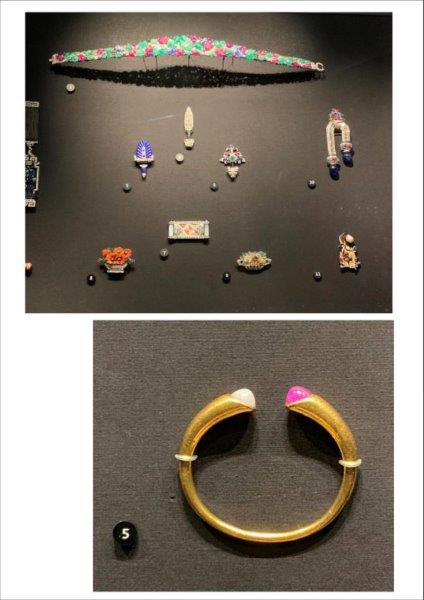
Jewels 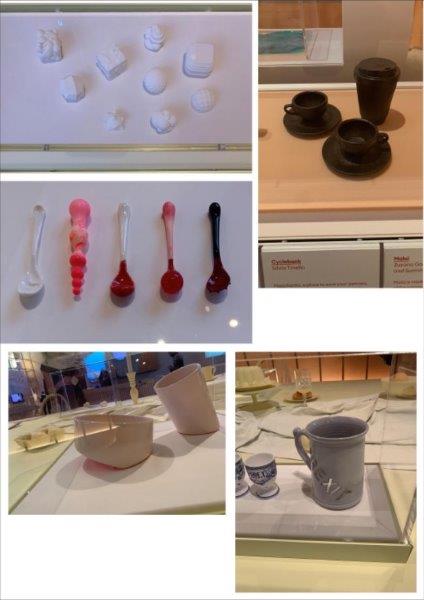
Tableware 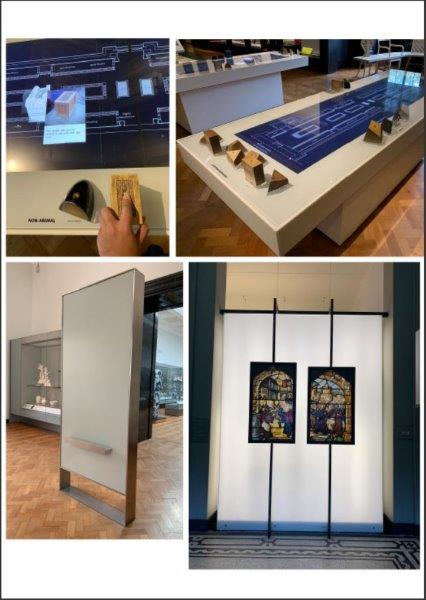
User Interface 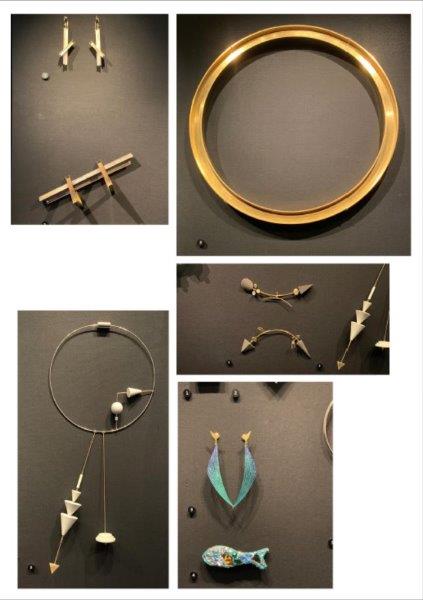
Architectural Jewellery 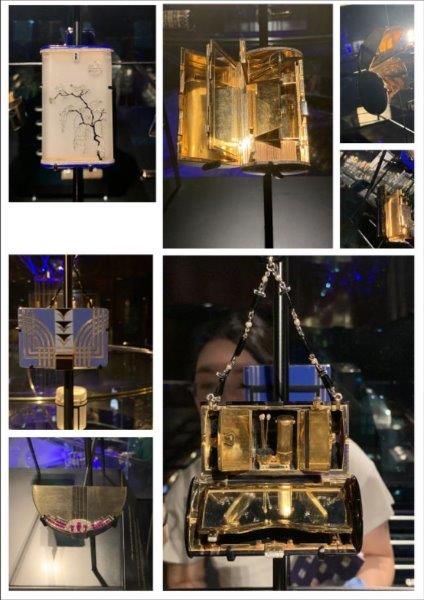
Boxes and cases 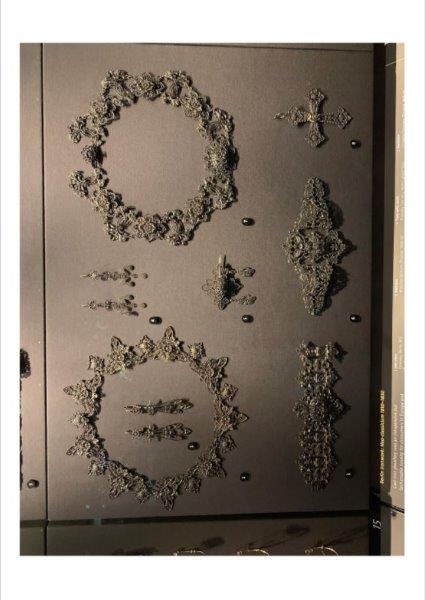
Cast Iron 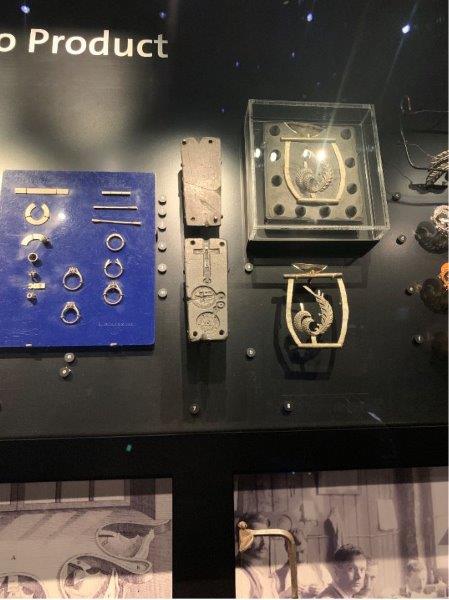
How its made 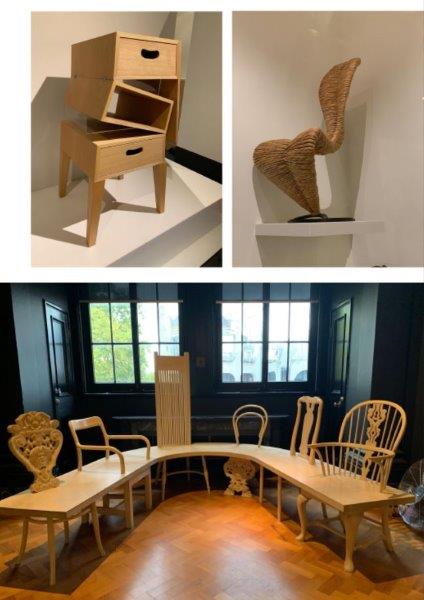
Eclectic furniture 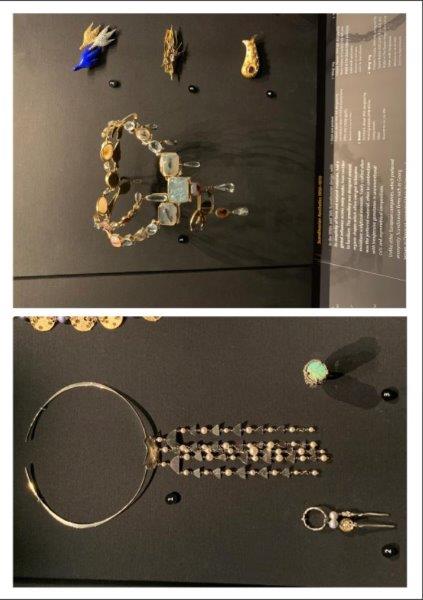
Elaborate jewellery
I realized I was drawn to wearable objects, more modern in aesthetic. The heritage jewellery that I liked, was also either minimalist or a fusion of intricate adornment with minimalist material use. Unique treatment of materials, unconventional stone settings, abstract forms and eclecticism were some elements overlapping in some of my selections. A couple of images made me think whether the creator/designer had purposefully betrayed conventional aesthetic or functional qualities to make these artefacts. A lot of the objects were abstract interpretations of natural aesthetics, rendered through modern materials or techniques. Superimposition of geometrical forms with organic curves and textures, was another common element among some pieces.
Scott mentioned the recurring theme of the crossover between the aesthetic and functional elements in my description of the selected images.
- Objects purposeful for the body
- Objects identifiable in their purpose?
- Or deceptive in hiding secret function (and maybe highlighting aesthetics)?
- Francesca pointed that Glasses are like functional Jewellery
- Make a difference to the user
Luke’s appreciation of handmade objects resonated with me, and I questioned what qualities of handmade objects we were looking to revive or engage with. I would like to work on Scott’s suggestion of immersion in the opposite/negative environment and identifying/eliminating/questioning aspects we did not appreciate within industrially crafted objects.
Moreover, when Scott suggested that we challenge our conventional ways of working for this project, I realized that I engage with materials and projects in 2 ways:
- Making – engaging with materials – leisure projects
- Designing – Planning, drawing, modelling, execution – professional/educational projects
In hindsight, each of these techniques, lacking the intervention of the other has resulted in a general dissatisfaction/feeling of incompleteness/meaninglessness. I would like to challenge this by trying to merge these two methods of working. (essentially overlapping crafting with design?)
I noticed how Jim, Luke and Wooli were facing similar questions as me regarding the purpose/function of the project (in the context of artefacts). I think it might be valid considering our background education/experience in the ‘problem solving’ fields of design, as opposed to the rich art world that we have been exposed to, here and now. I would like to explore the crossover between art and design further, given that I have access to a vast set of resources. I understand that a lot of conversation has been opened on this topic and is currently taking place in a number of places in the city. I would like to explore the Designer-Maker-User exhibit at the Design Museum, to gain a better insight on products as ‘design’ oriented or ‘craft’ oriented objects, and the corresponding relation with the ultimate users.
My current reading: ‘Unexpected Pleasures: The Art & Design of Contemporary Jewellery‘, also deals with the topics of ‘aesthetic’ objects as satisfying certain emotional needs for humans, as opposed to industrial objects being made for everyday functional usage.
Scott recommended watching Dieter Rams’ 10 Design Philosophies, for a clearer perspective on the issue. Moreover, he suggested that we use the V&A as a springboard for ideas, translating the information from the objects in our own way, to result in something related or unrelated..

 design factory