
26 September 2019
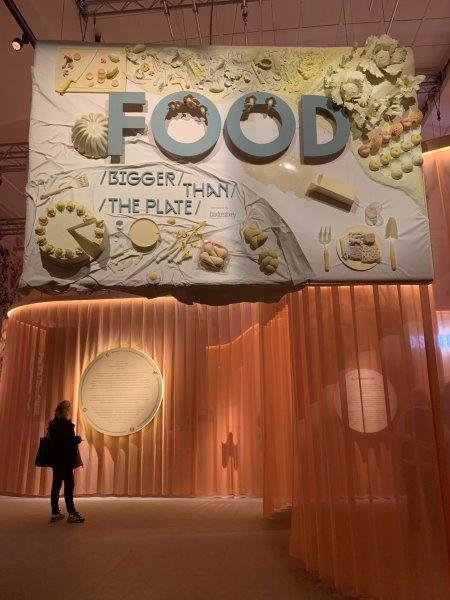
Today I visited the ‘Food – Bigger Than The Plate’ exhibit at the V&A. It opened my mind to a number of design possibilities as well as viewpoints and revelations based on food production, trade, consumption and waste.
The street farmhouse project and the Loowatt dealt with collection and utilization of human waste in the production of natural gas (energy) and fertilizer. The Loowatt was also based on a water less flushing system and sustainable collection and sealing system (using biodegradable bags) for use in Madagascar and Philippines, apart from a portable toilet system at festivals in the UK.
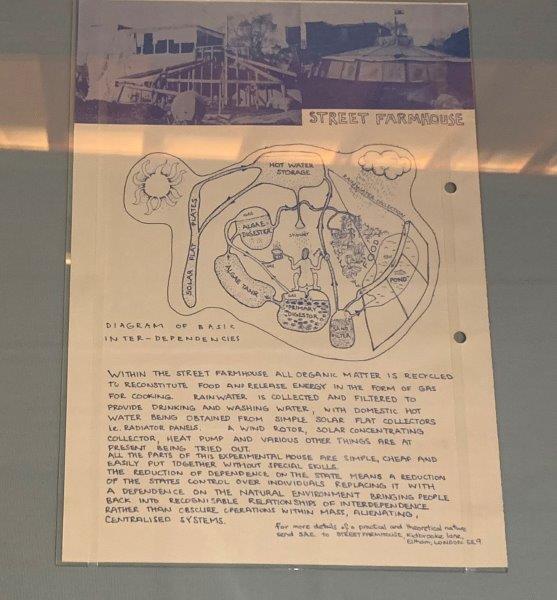
Street Farmhouse – concept 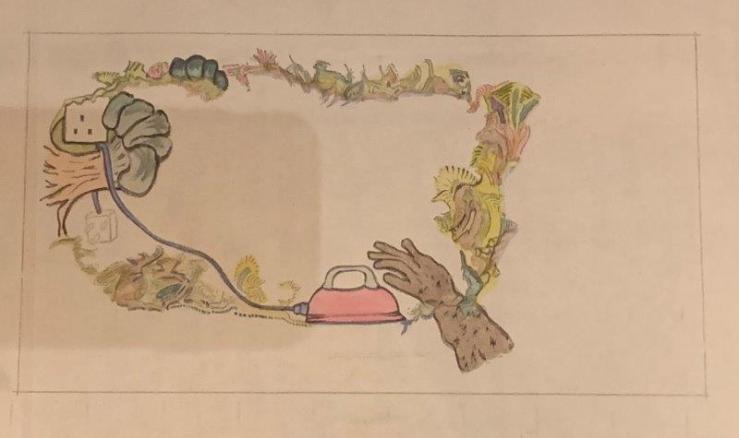
Street Farmhouse 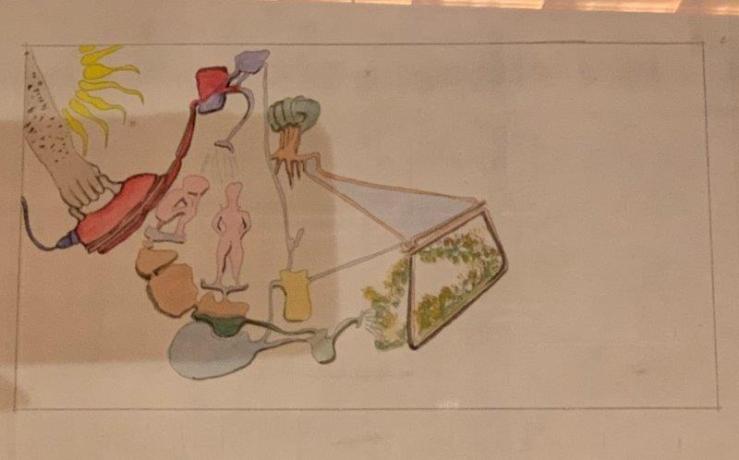
Street Farmhouse 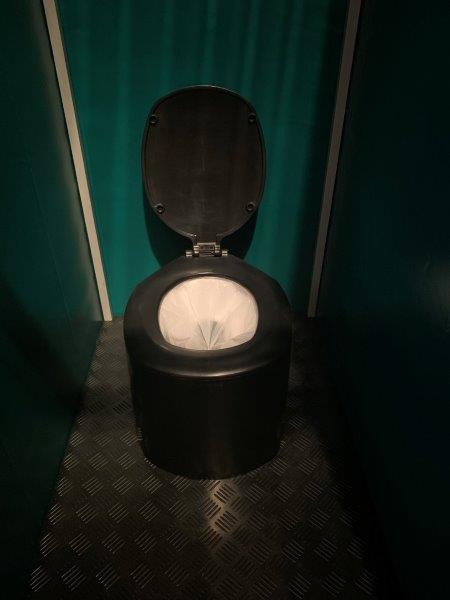
LooWATT prototype
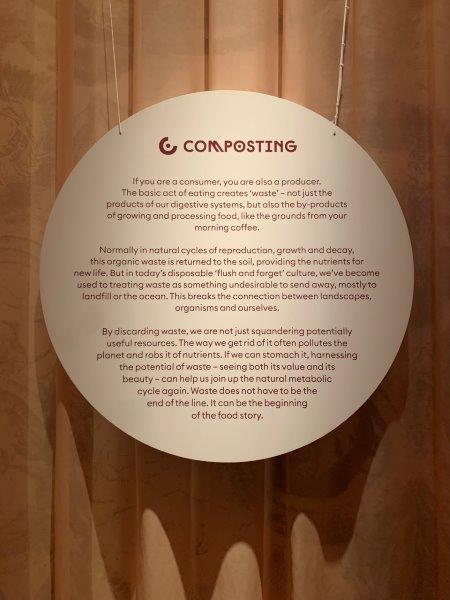
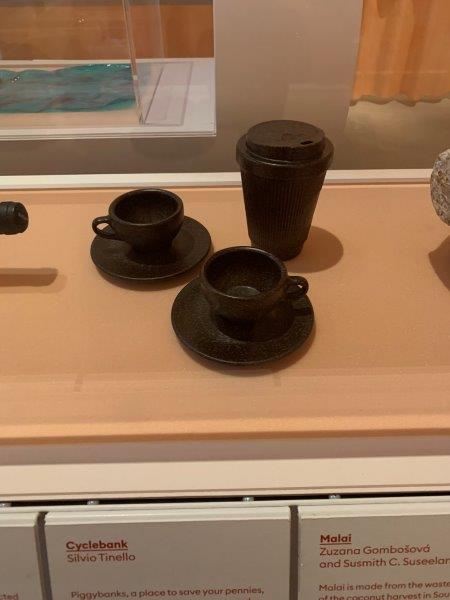
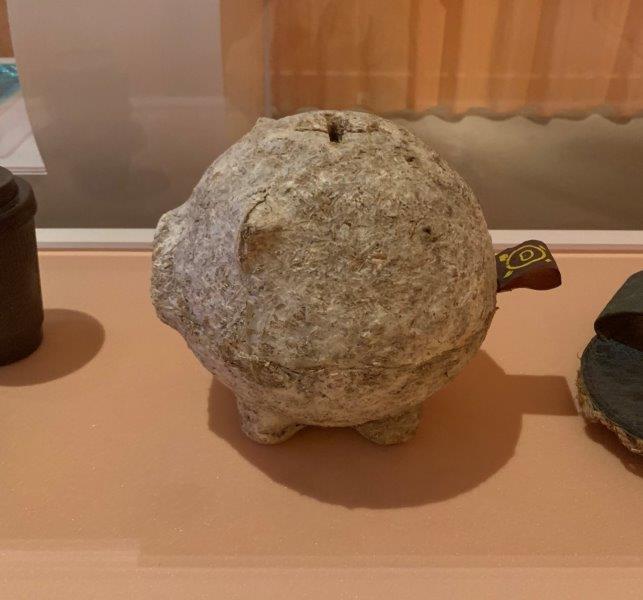
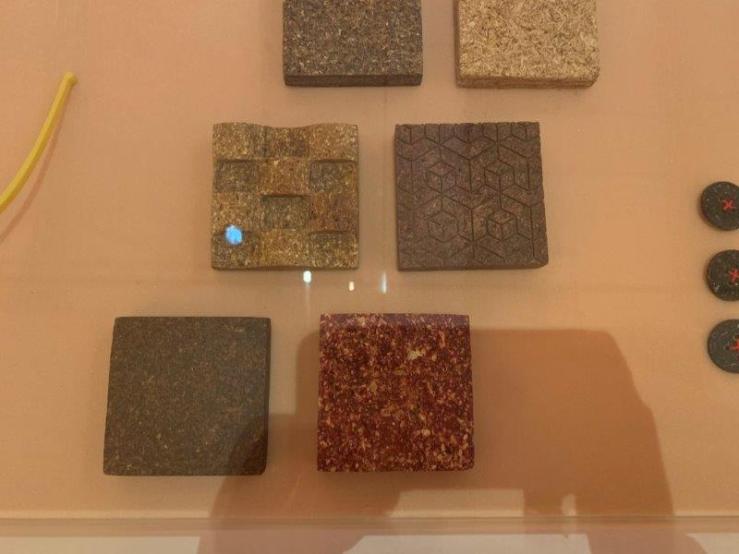
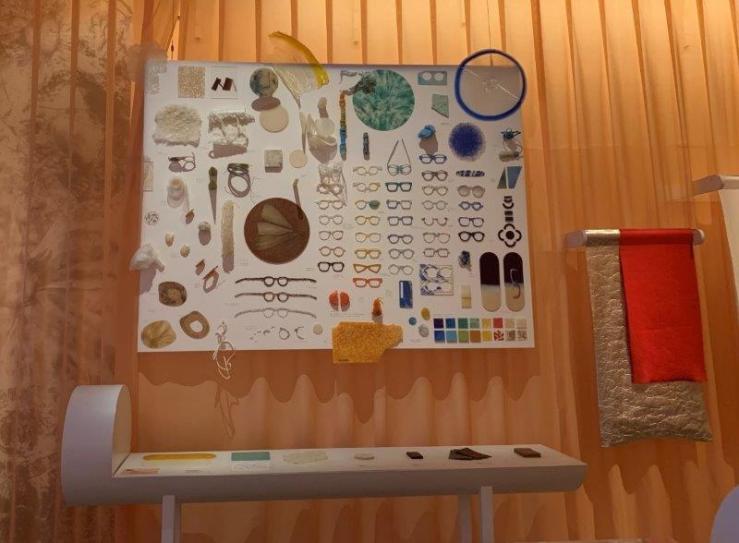
I was fascinated by the transformative use of waste products into usable objects. Kaffeeform uses compacted and processed coffee grounds in the production of coffee cups, while the Cyclebank piggybank can be smashed and sown to grow plants from seeds embedded within the fibers of the material. While Kaffeeform utilizes the waste from coffee, to produce vessels for coffee, the Cyclebank is a cycle from tea plants, to be utilized as a temporary functional objects, and finally returned to the soil in the production of plants. It made me think about the life cycle of popularly consumed products, apart from the duration of use and permanence of waste generated everyday foods.
Bioplastics, used to shape complex products seemed like an innovative solution to tackling the waste generated from petroleum based plastics.
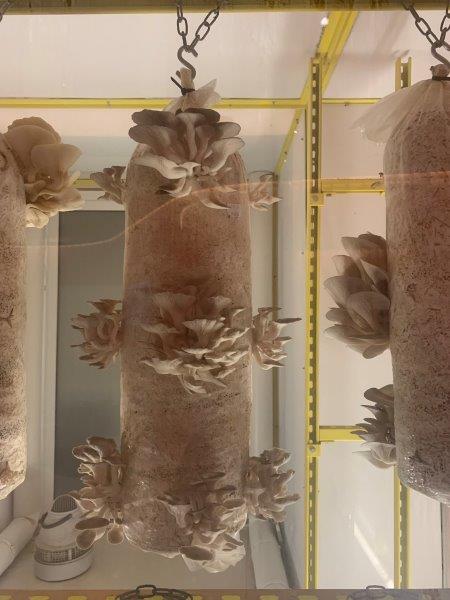
the Urban Mushroom was an interesting installation, again relating to the life cycle of coffee from used grounds at the V&A cafe, to help grow mushrooms, to be used further as ingredients at the V&A cafe.
Some installations evoked strong emotions of disgust in me, and yet made me think about the underlying issues through the stories and bold concepts.
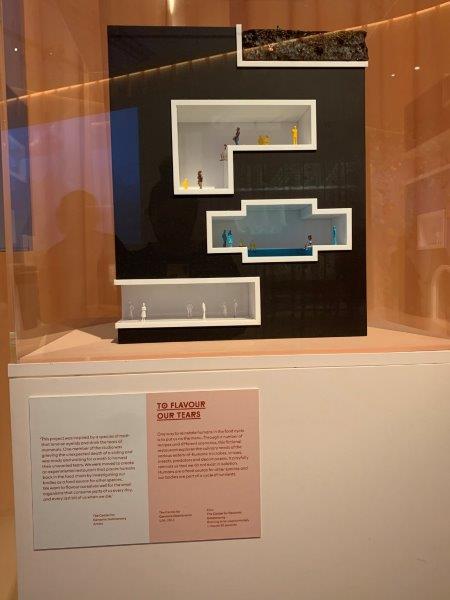
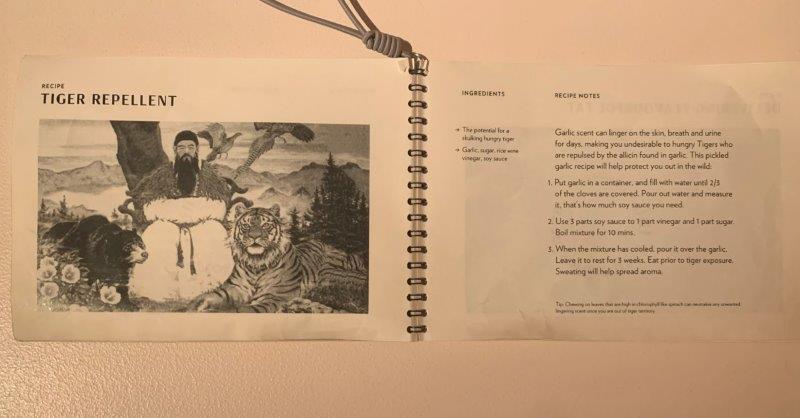
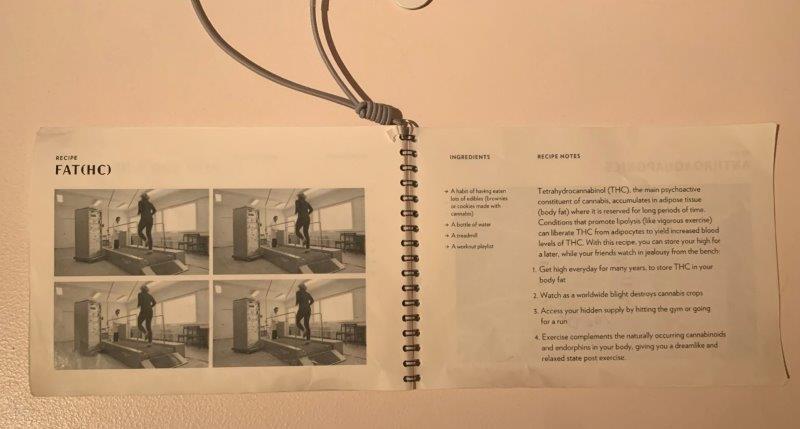
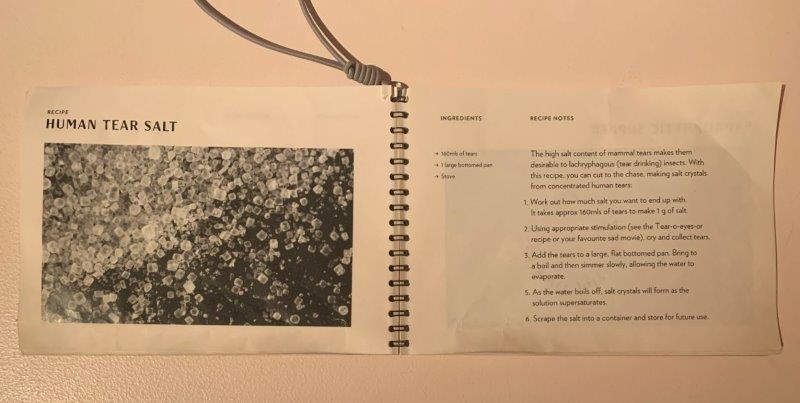
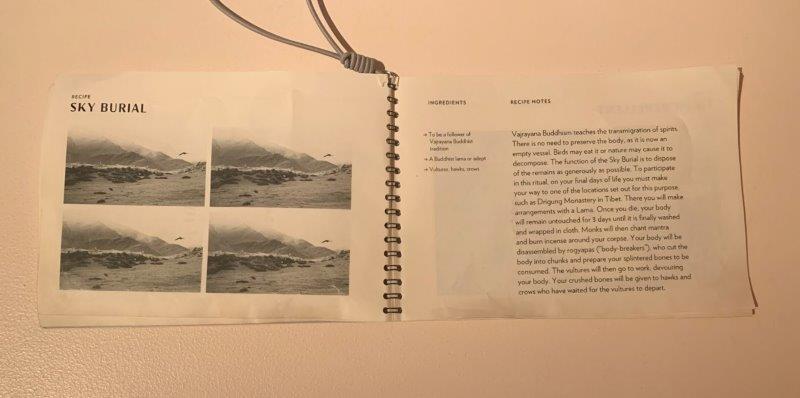
‘To Flavour Our Tears’, looks at putting humans within the animal food cycle within a restaurant project- a radical idea, given that we humans have never been actually interested in the food cycle of animals, let alone offering ourselvs as part of it. Sky burials allow scavengers to break down human bodies after their death, while moth bars ‘feed’ moths with salt from human tears. Through an accompanying recipe book, the designers suggest ‘Flavouring ourselves’ to suit the tastes of other species, a reading that I found both ingenious and hilarious.
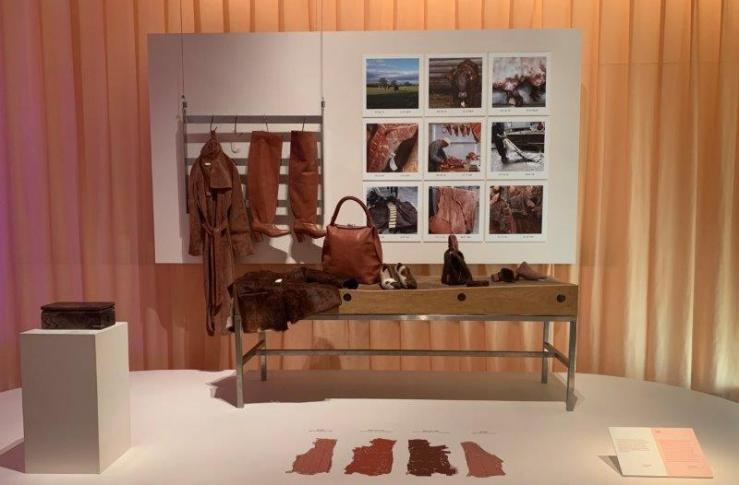
Alice V Robinson’s collection of accessories and images of meat produced from bullock 374 made me cringe at the thought of using animal skin and meat for consumption but also lent me a deeper insight into the stories behind objects and products, otherwise taken for granted, when presented in their finished or final form. By introducing consumers to Bullock 374 as a living animal, and then showing products made by killing it, the designer has successfully raised the point of ignorance and insensitive consumption of animal products through the shock value of her project.
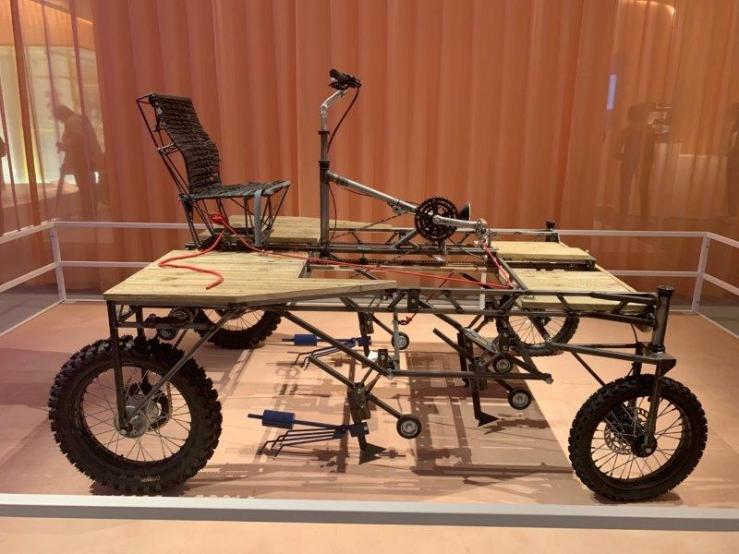
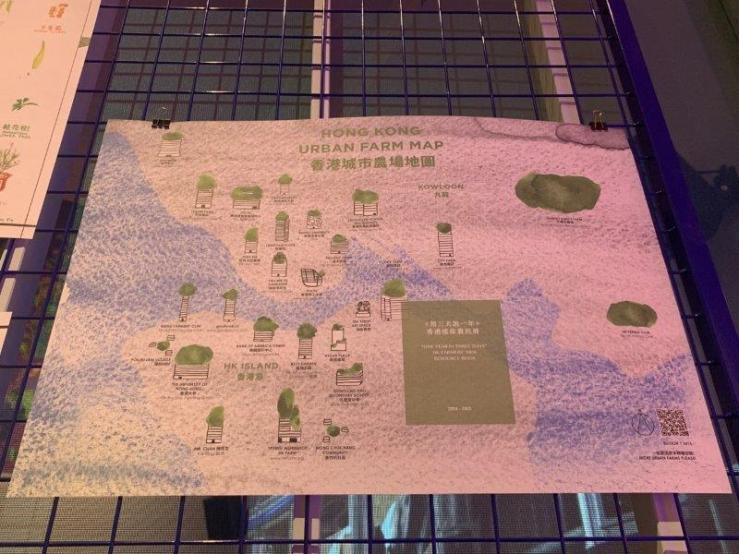
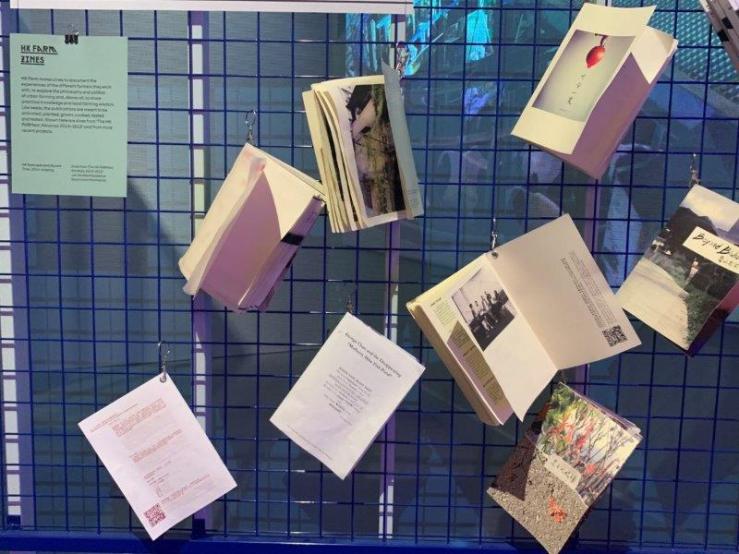
Farming projects were focused on methods of efficient and sustainable production, as well as dealing with scarce agricultural land resource in urbanized areas.
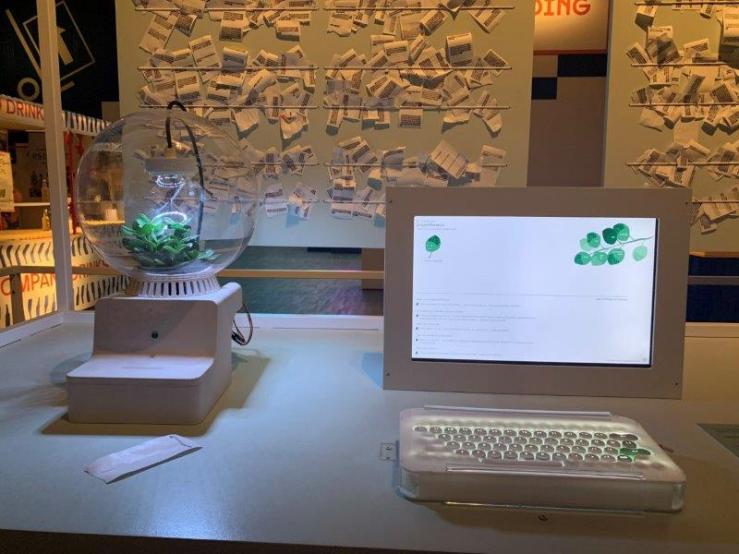
Project Florence was a programme facilitating conversation with Florence, an artificially lit plant, by typing in questions into a computer. It was interesting to see the use of technology in understanding nature better..
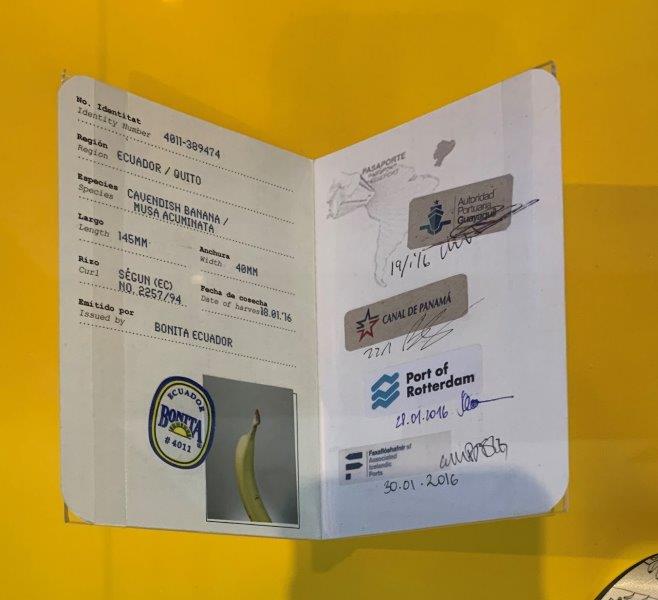
The ‘Banana passport’ traces the travels of a banana, as it travels across borders, from Ecuador, where it was produced, to Iceland, where it would finally be marketed. The exhibit compares the transport of produce to the complexities of immigration to raise awareness regarding the consumption of exotic food.
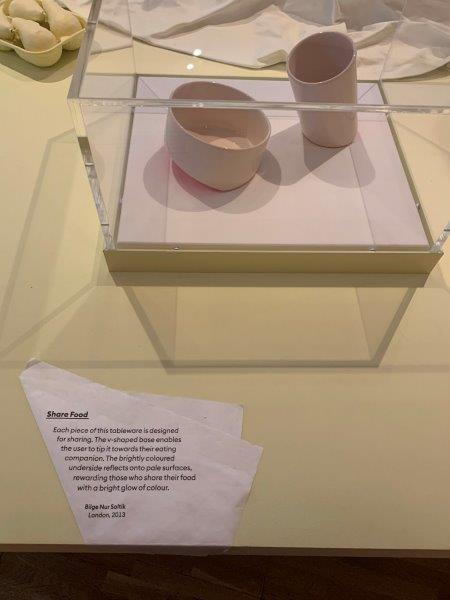
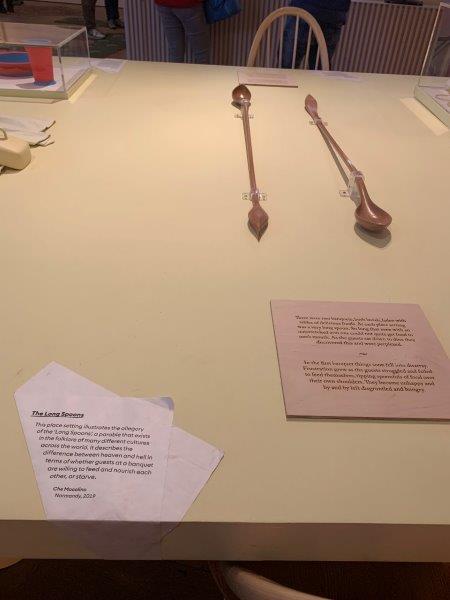
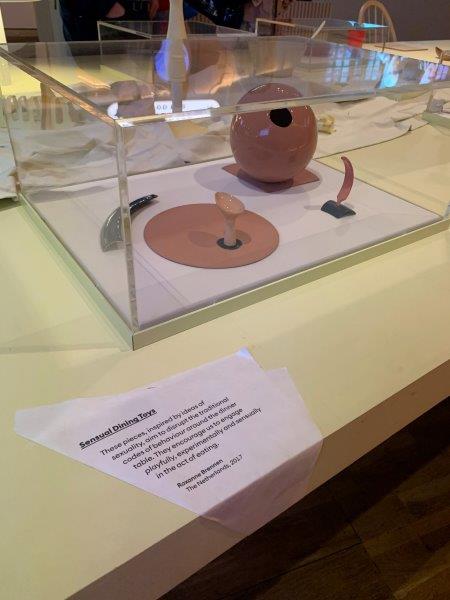
Finally, ‘The Table’ had some interesting tableware designs enhancing the experience of eating food. the V-shaped bases of ‘Share Food’ and the ‘Long Spoons’ encouraged the concept of sharing through the positive encouragement of reward, and the negative effects of starvation in an inconsiderate culture, respectively.
Kullay, a range of multi sensory snacks, allows visually impaired persons sensory clues to their flavour.
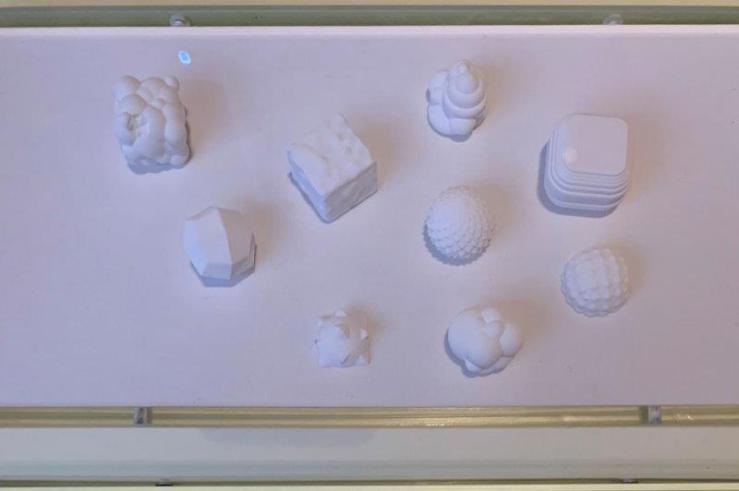
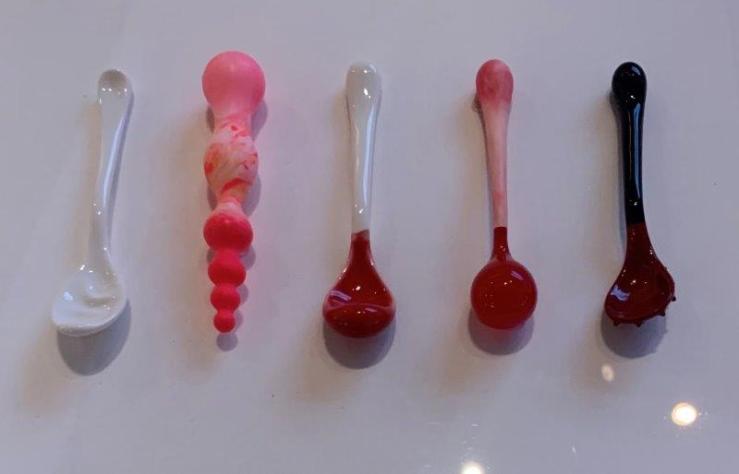
Shape and texture have been explored within cutlery to create sensory and sensual experiences with food.
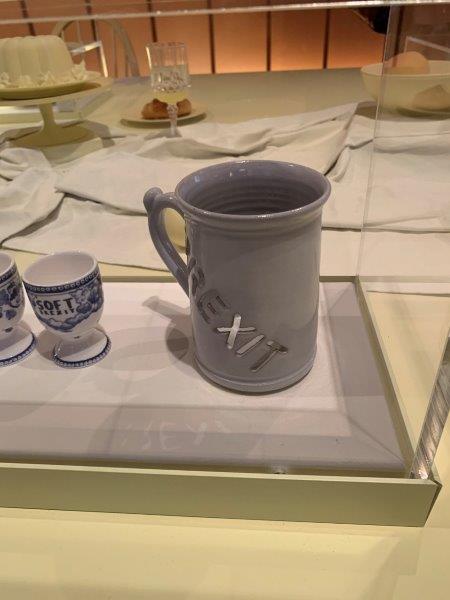
The Brexit mug would induce a sense of panic in the drinker of a hot beverage – as it spills over their lap before reaching their lips. It successfully contrasts the panic looming in the wake of a major political intervention, in the context of the common man, looking to sit back and relax with their cup of tea…
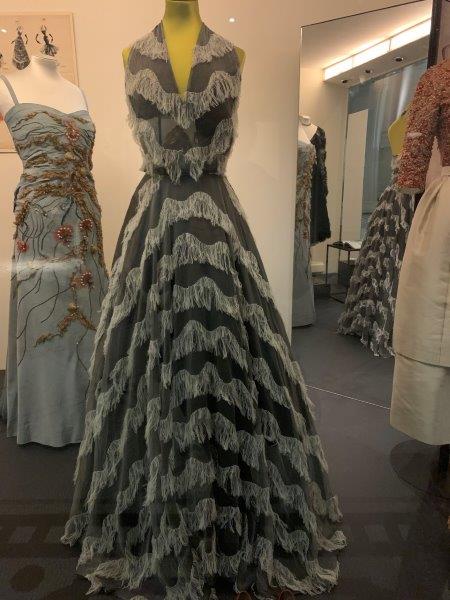
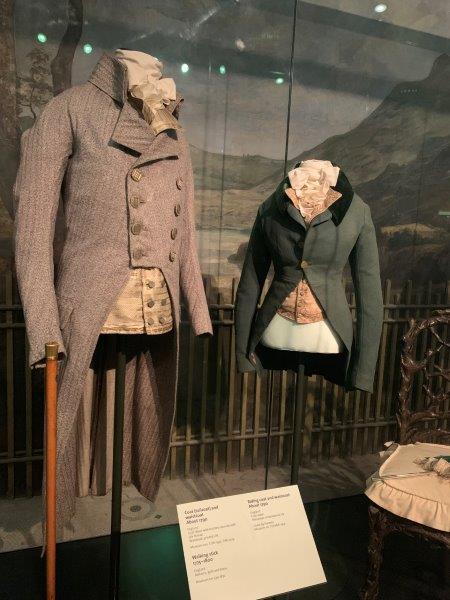
I was also drawn to the Fashion section where I found some interesting pieces:
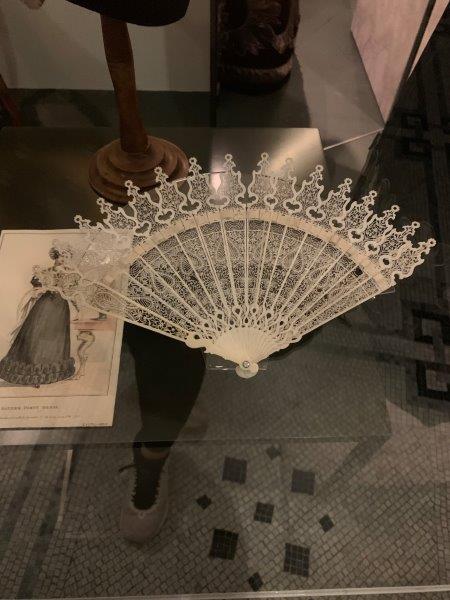
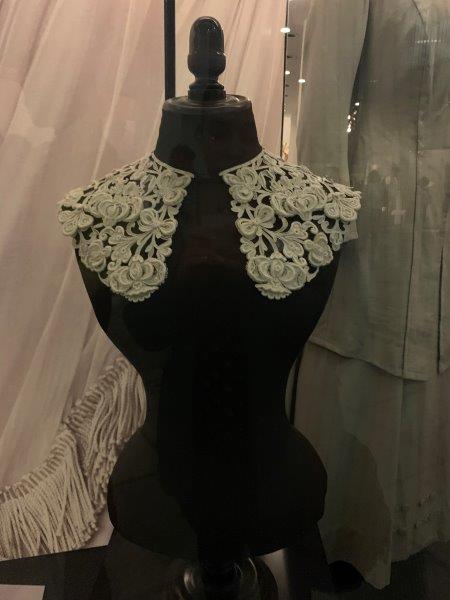
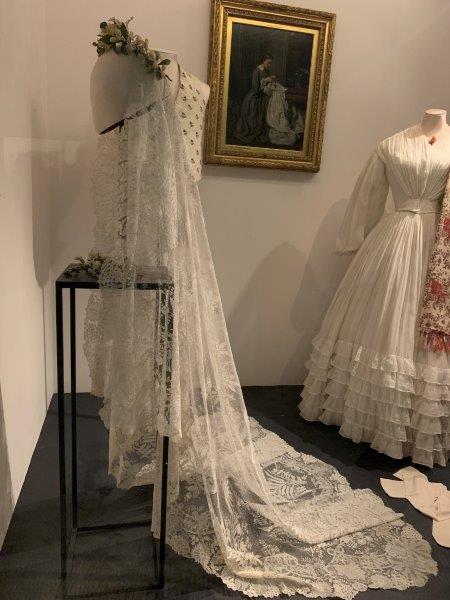
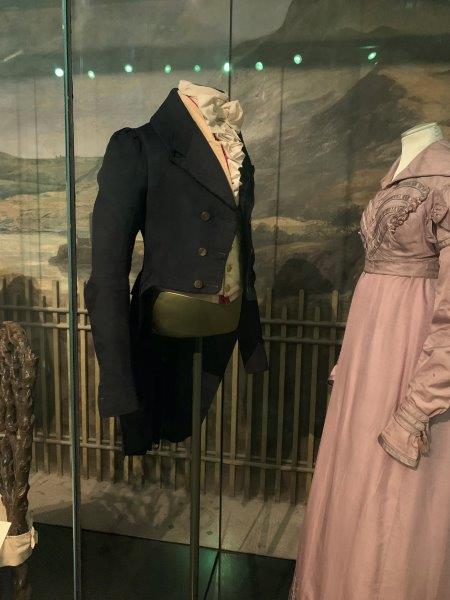
I really liked some of William Morris’s patterns printed on scarves at the V&A shop.
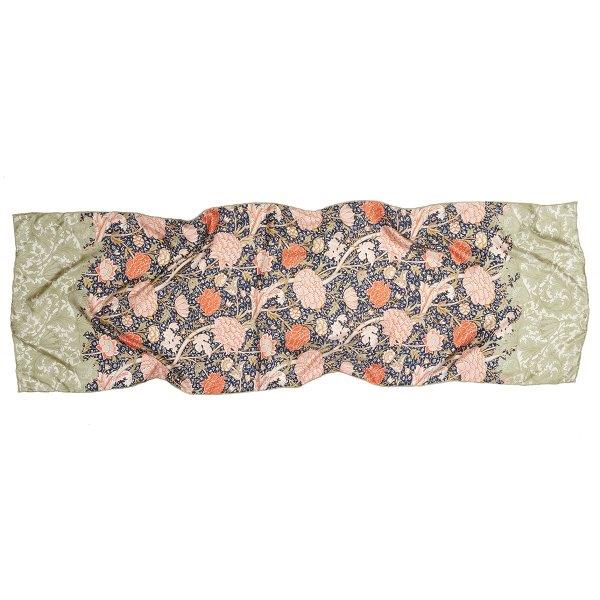
Overall, the V&A shop offered a learning experience in the innovative exploration and execution of various retail opportunities identified during curation of art and design.

 design factory