
Today’s visit to the Victoria and Albert museum was inspiring in more ways than one. Isabel suggested exploring the pathway of adaptation and reuse in context to the various objects in the museum, to re-imagine the creative potential of already existing products. (Transformative solutions)
During our initial brief, we were given some creative tasks to undertake while engaging with the objects at the museum.
The first task required us to Draw a contemporary modification of a historical object (more than 100 years old), making radical changes to the original.
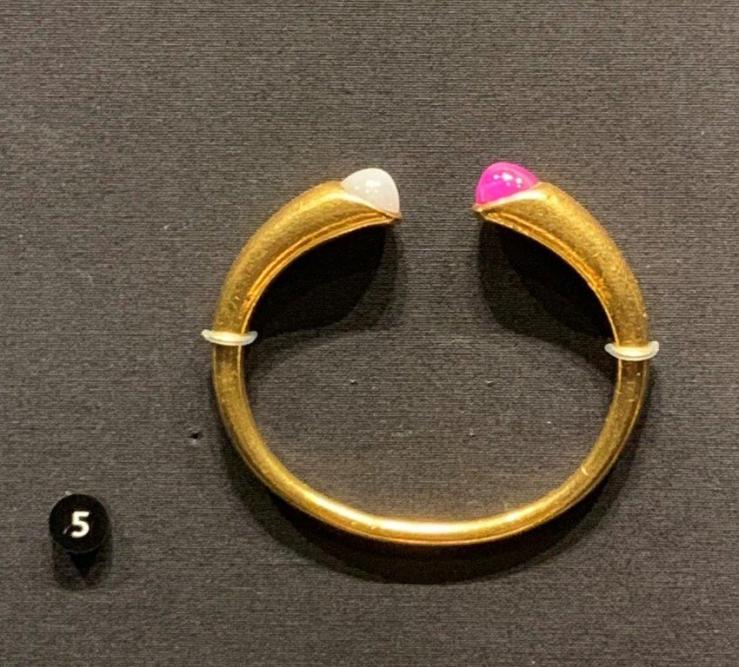

I decided to design this 19th century Russian bangle as a flower vase, to be rendered in glass to show the curving stems.
The second task involved identifying a vessel (an object meant to hold liquids) and drawing it as if it were a structure providing shelter for 1 person.


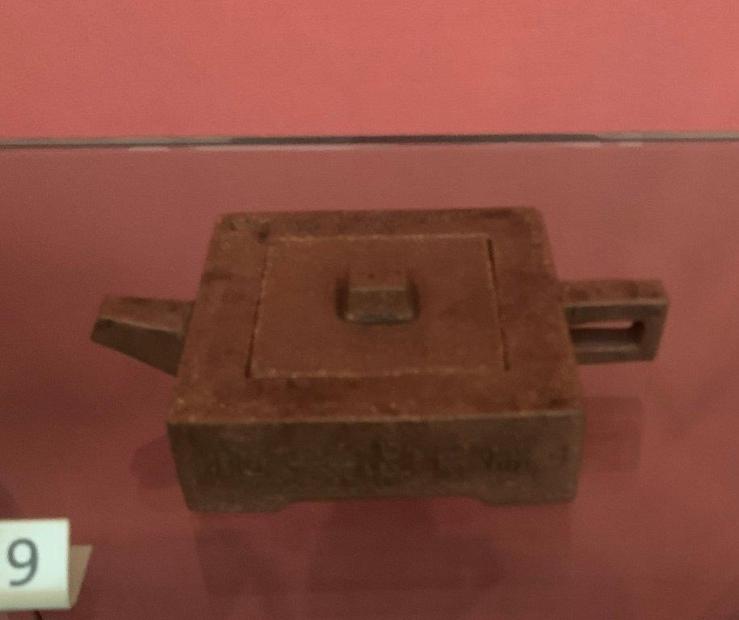

For this, I selected 2 different teapots and explored the spouts as a light stream and the lids as a tool for manipulating light and volume. The handle in the first design would turn into an outdoor bench, while the 2nd design was buried under the ground to create a subterranean structure, possibly a homeless shelter/bunker.
.
The third task involved identifying and tabulating the various materials seen while navigating the museum.
.
Our afternoon session entailed choosing a functional object and redesigning it as a wearable product.

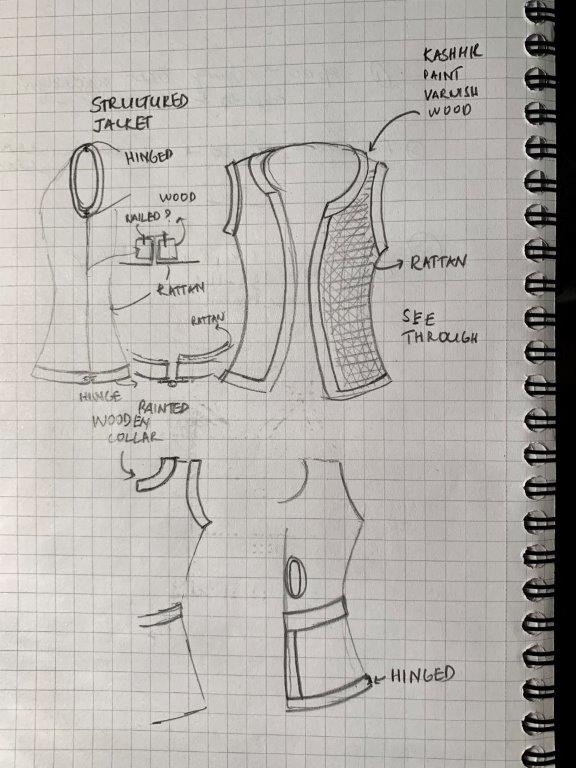
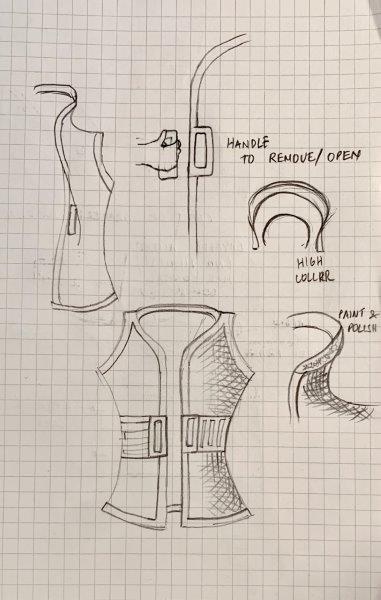
I chose a carved, gilded and painted Kashmiri chair with a rattan seat. Inspired by the rattan and curving wood sections, I developed a structured jacket (Ned called it armour). I used hinges and handles for opening and closing the jacket as it would be put on or taken off the body.
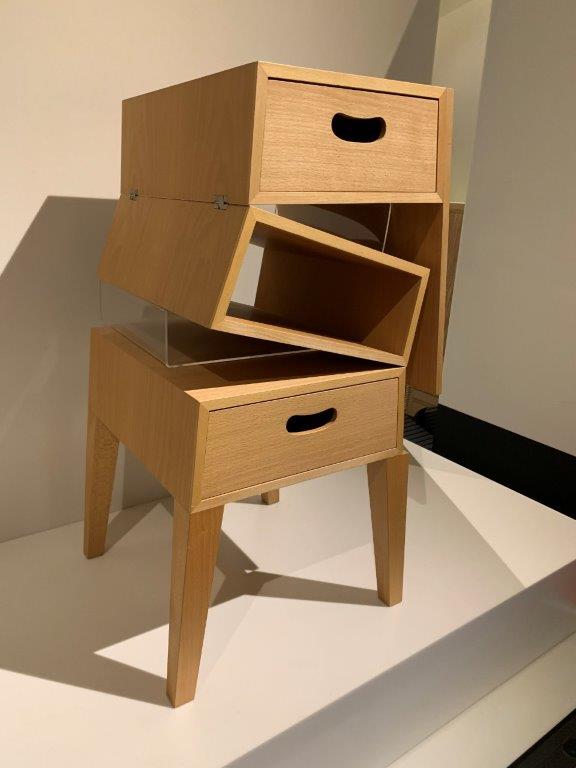
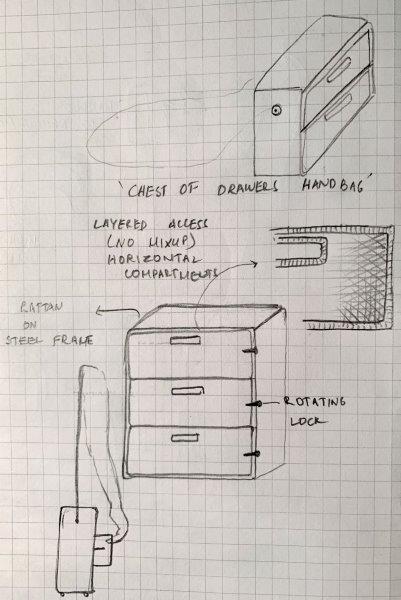
I also developed a ‘chest of drawers Handbag’ compartmentalizing the product horizontally with pull out drawers in rattan/cane stretched over a steel frame.
.
The next task was stacking and combining various vessels in the ceramics galleries and playing with scale to translate their form into a piece of architecture.
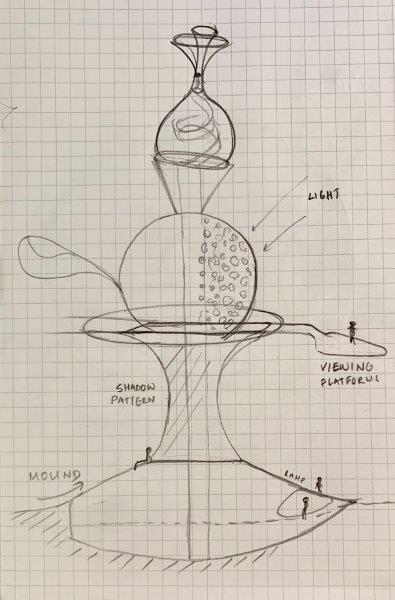
I explored various forms and patterns to create a mound base, central lift core, ornamental screens, shadow patterns, viewing galleries open galleries, a spiral staircase and a light funnel.
.
The last task for the day involved identifying a space in the museum and redesigning it by manipulating various objects and elements.
.
Isabel pointed out that I was drawn to transformative design of existing objects and could consider that as a pathway for the artefact project.
Some other objects that I enjoyed interacting with at the museum were:
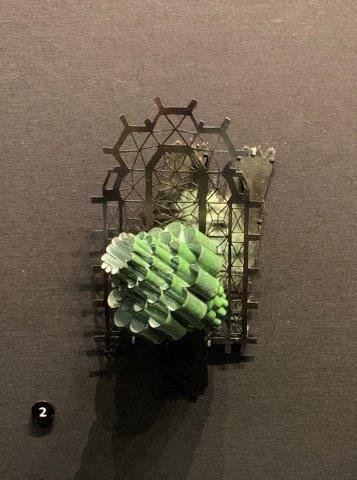
Architectural floorplan integrated in brooch 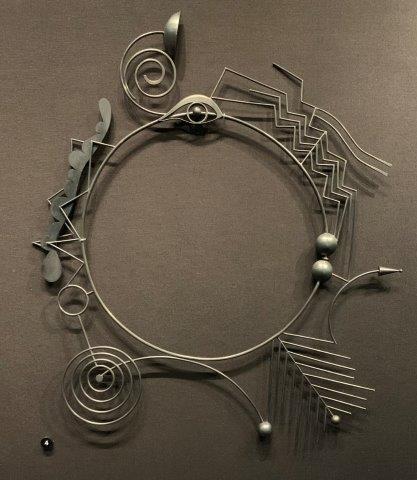
Necklace for Picasso’s portrait of a woman 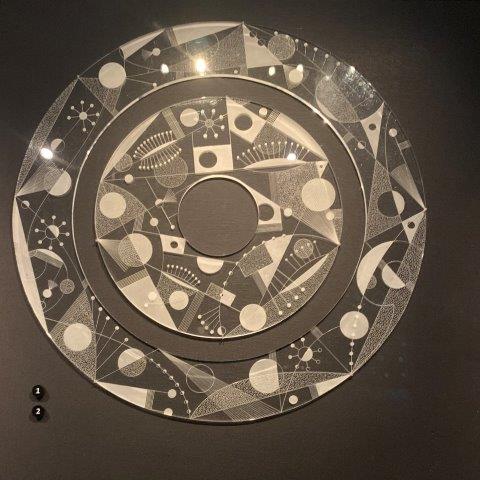
Engraving in perspex 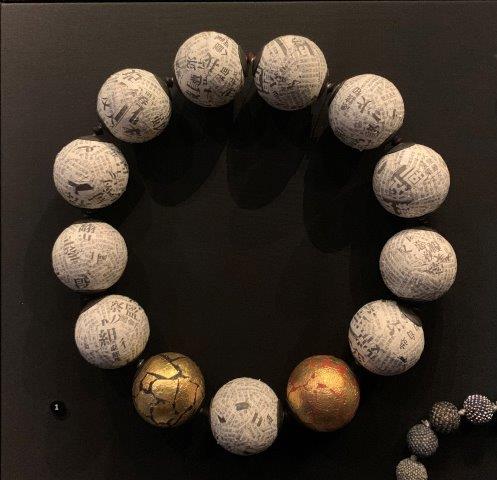
Beads out of Japanese rice paper 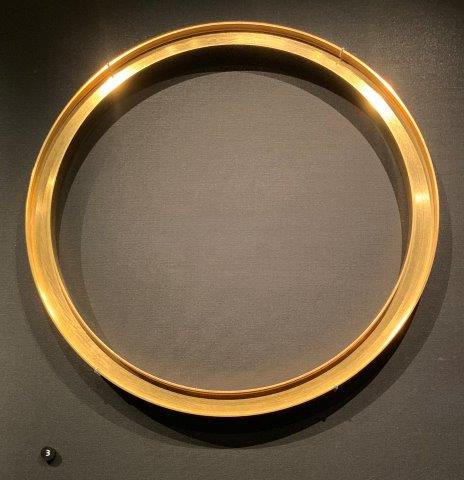
Sectional steel necklace 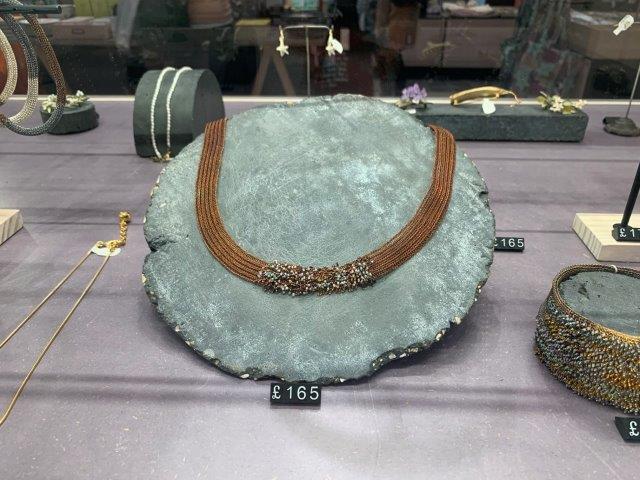
intricate yet minimal necklace 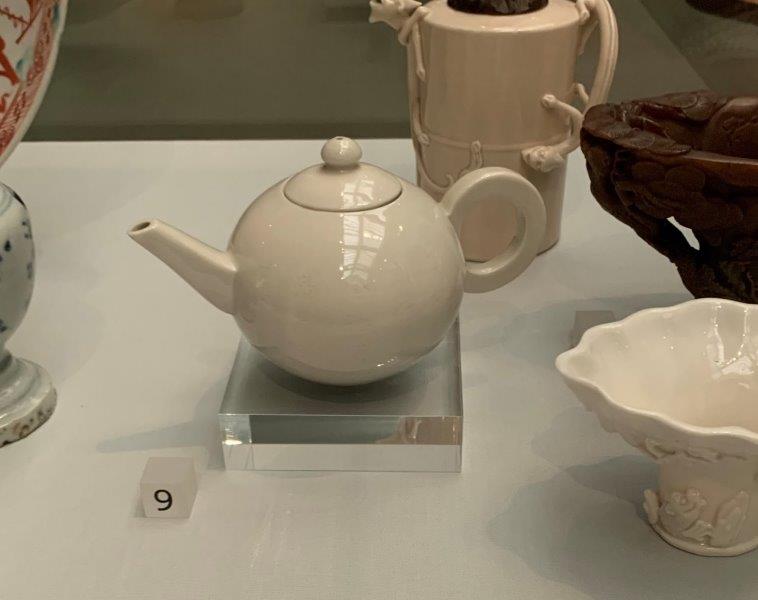
Modern teapot 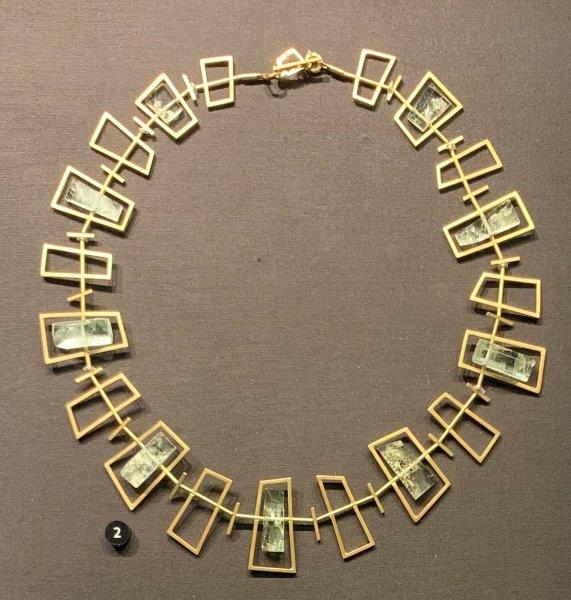
Necklace highlighting stones by framing them 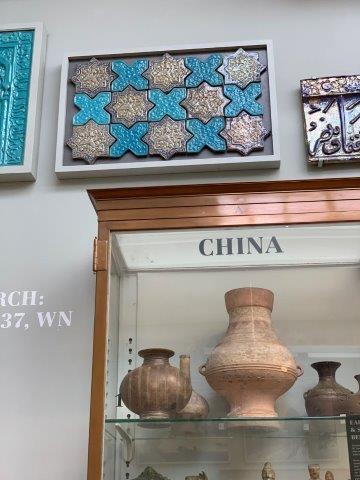
puzzle like tiles 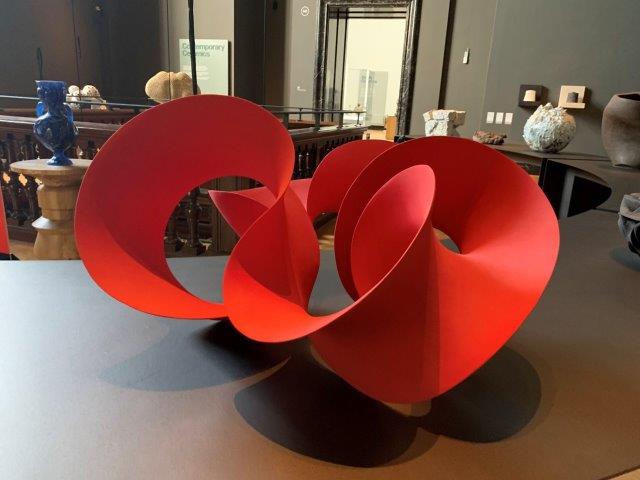
ceramic ribbon-like arteface 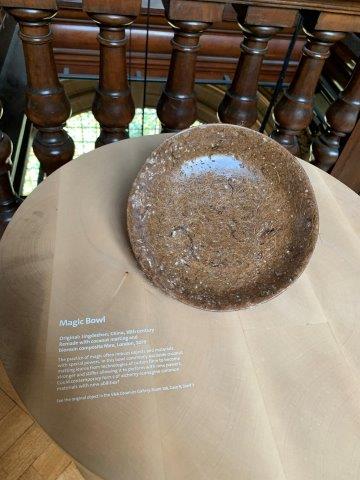
Coconut fibres strengthened by epoxy resin described as ‘magic’ 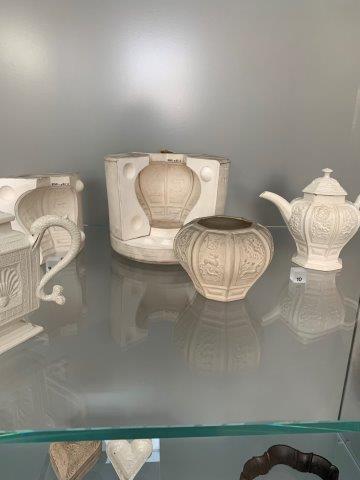
the mould as an arteface 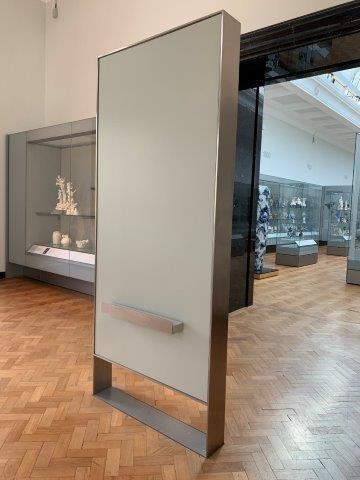
brochure stand design 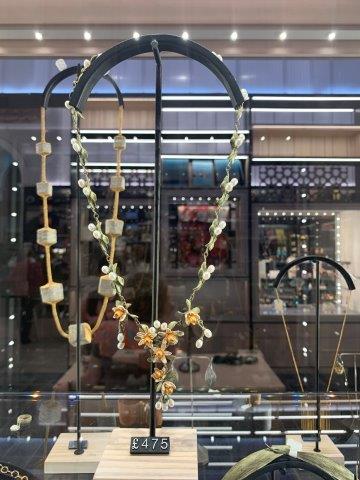
Pearls used skillfully in this neckpiece 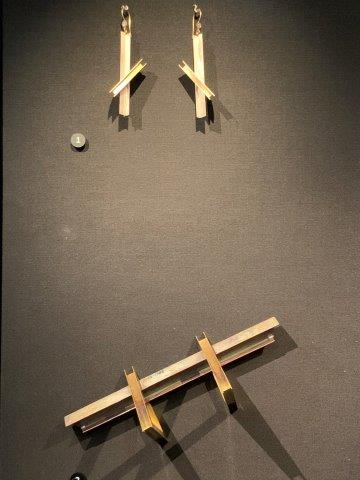
sectional steel adornments 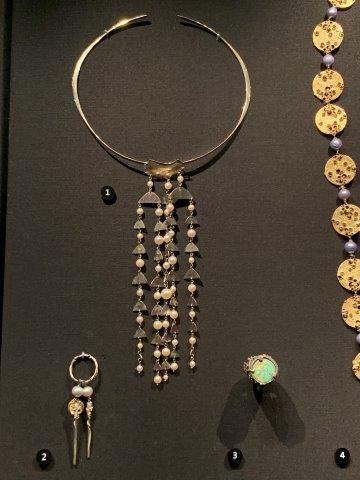
contemporary necklace with traditional references 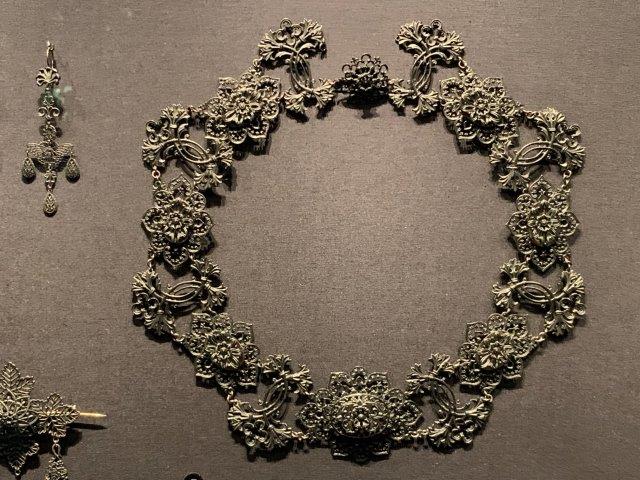
cars iron necklace – almost lace-like filigree 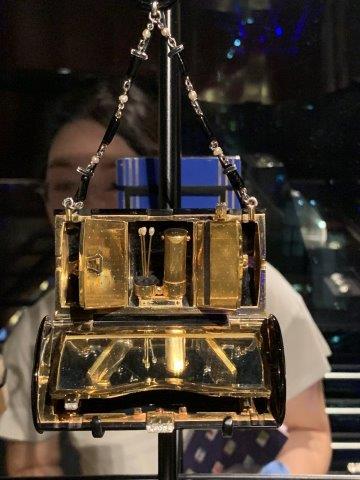
vanity case – custom compartments 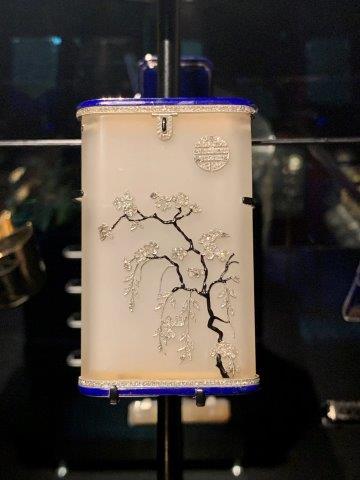
Card case – tiny hardware 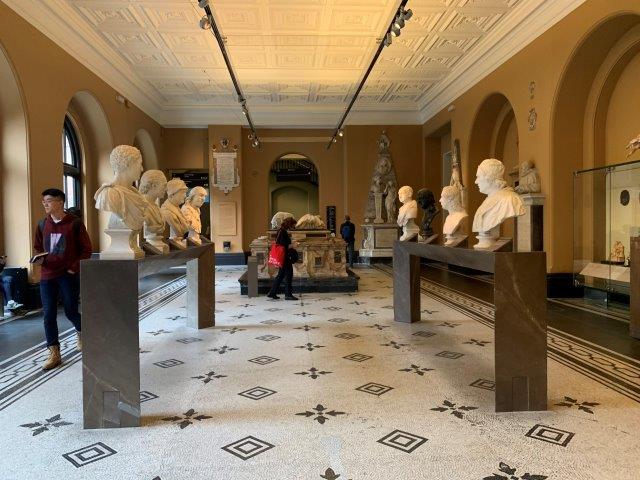
visually light consoles avoid dividion of space 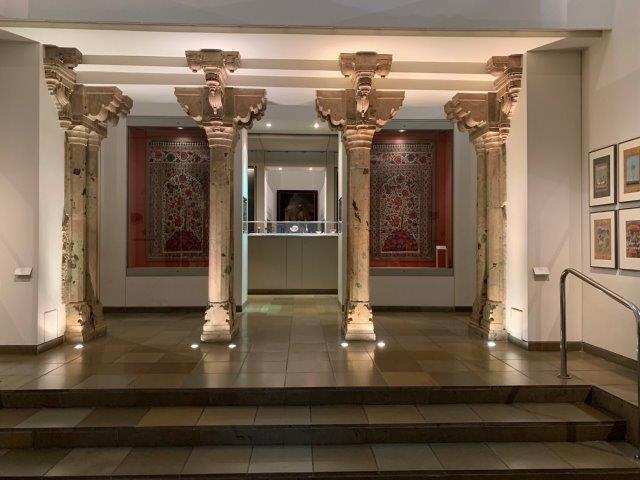
eclectic columns 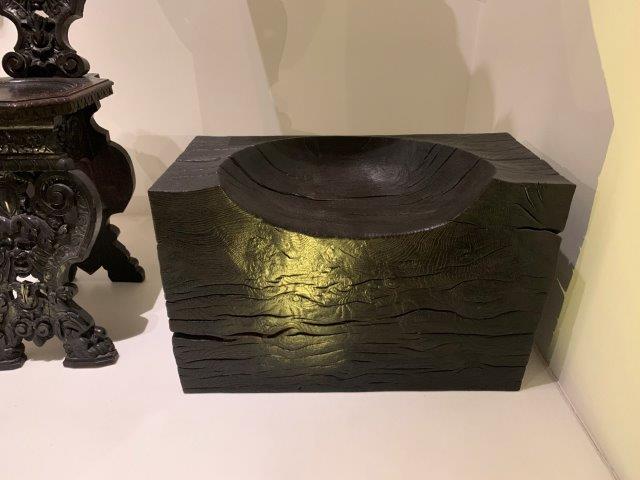
seat carved out of wooden block 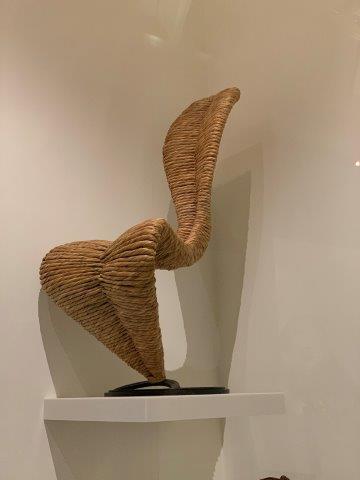
Tom Dixon’s S chair 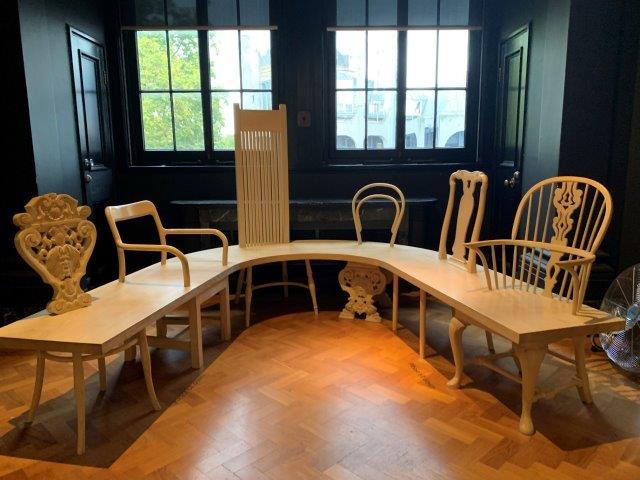
eclectic bench 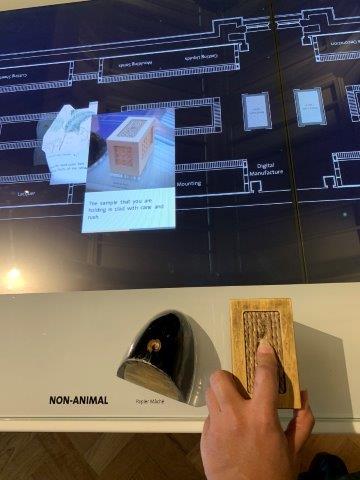
Interesting user interface – making viewers touch and feel material 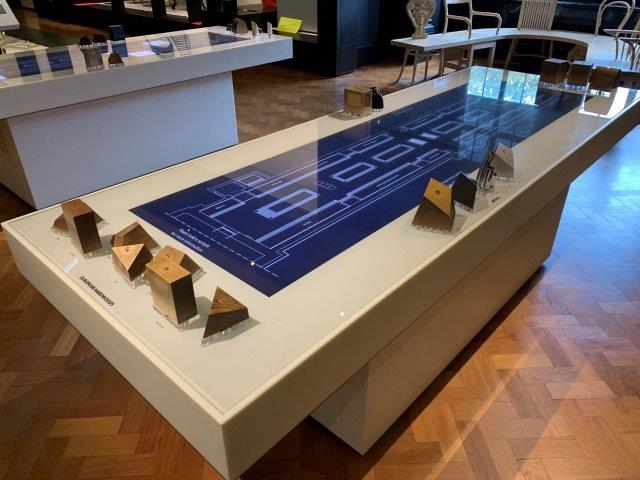
Interesting user interface – making viewers touch and feel material 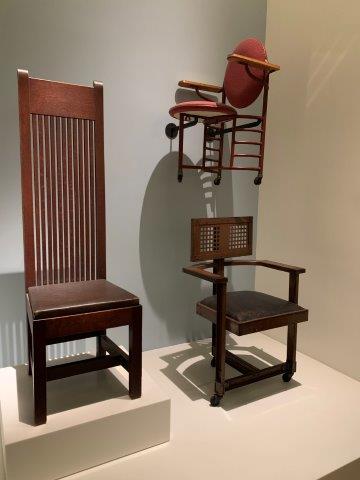
Frank Lloyd wright’s chairs – reflect the building design 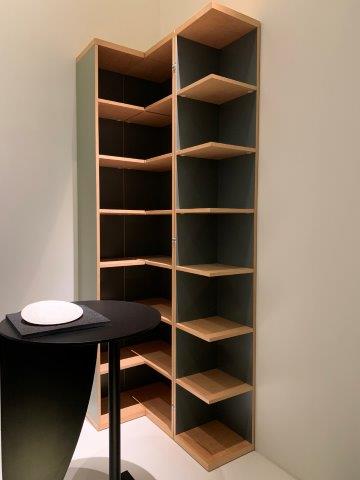
openable storage cum display shelving 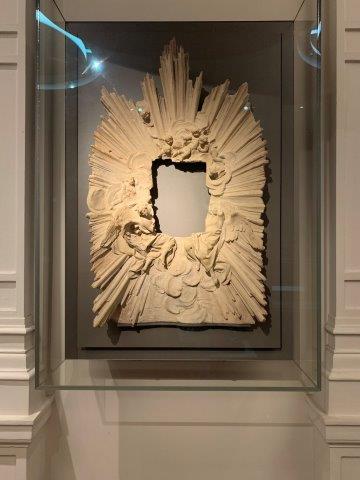
sunburst 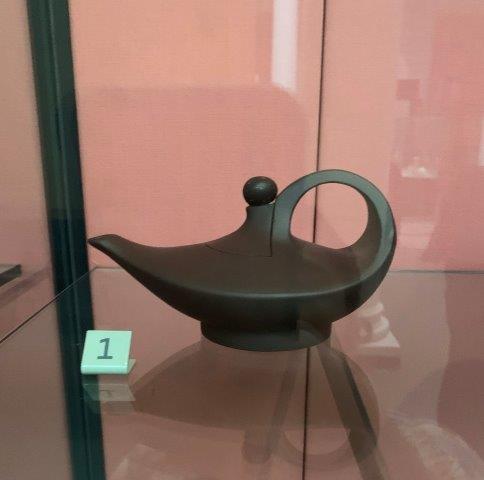
alladin’s lamp 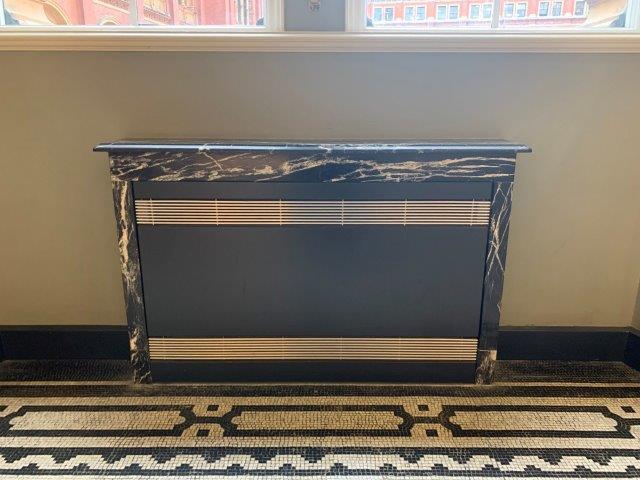
radiator console 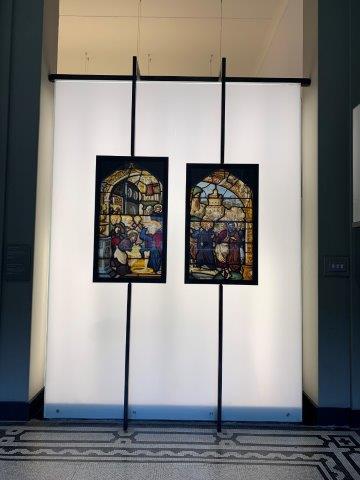
display design 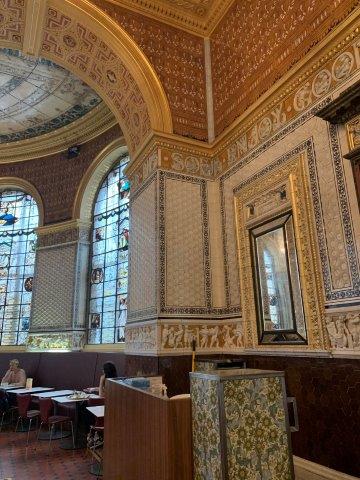
layers and textures at the refreshment rooms
The next part of the research would be to complete tasks 3 and 6 at the V&A or another museum tomorrow. Further, a single object would need to be identified to carry further towards the design intervention.

 design factory