
23 September 2019
What is an artefact?
- encapsulation of information in a physical object
- art piece? functional?
- not always handmade..
- historically significant
Can it be digital?
Can a photograph be an artefact?
Initial engagement – superficial levels – colour, surface, texture
Study deeper – time, reason, needs, person who made it, purpose of making
Types of qualities of an artefact
- material
- how its been made
- aesthetic language
- function/ lack of function – difference between function and use – functional use, ritualistic use – encapsulates more than just functional – greater significance beyond functional
- fast production / slow, laborious production – measure of human labour – embedded in object – defines relationship of maker and user with object
- socio political
- time based nostalgia
- reflects environment is was created in (or by)
- material qualities – solubility, conductivity
- colour, size, scale, weight, texture
- what the material can do – how an object reacts to different kinds of forces
Cloe’s example of a coin press at Museum of London – that was used to create objects – interesting to note is now an artefact
V&A exercise:
- List of interesting objects and locations
- Note/list qualities of objects – physical, functional, when and where made
- How was it affected by environment and time
- Innovative re-interpretation of objects to form new creative responses in Product design. develop findings into a new artwork/design.
- Ex. – Vase – volume – space – architecture
- Allow object to be a spark for ideas (catalyst in making process)
Project process:
- V&A exercise
- Further research – V&A / British Museum
- relation between objects selected?
- V&A debriefing
- Developmental work
- Final work
Some interesting precedents from Clare and Isabel’s presentations:
- Cutty Sark, Greenwich – Grimshaw (elevating an architecture – presenting it as artefact)
- Kolumba museum – Peter Zumthor (response to ruins of Gothic church)
- Shakespeare’s Globe Logo design – Print of bark section – time, history, material, architecture
- Droog – Tejo Kenny – Chest of drawers (V&A)
- Paul Cocksedge – excavation – evicted – cylindrical cores of geological samples – into products
- Life cycle of a product – ECAL calypso machine – 3D print farm – everyday objects – design – production – purchase – on site (V&A)
- Process gone into making – Renel Ugazio – polishing
- Hussein Chalayan – furniture – garment transformation
Crossing continents: exercise – selection and drawing from multiple objects
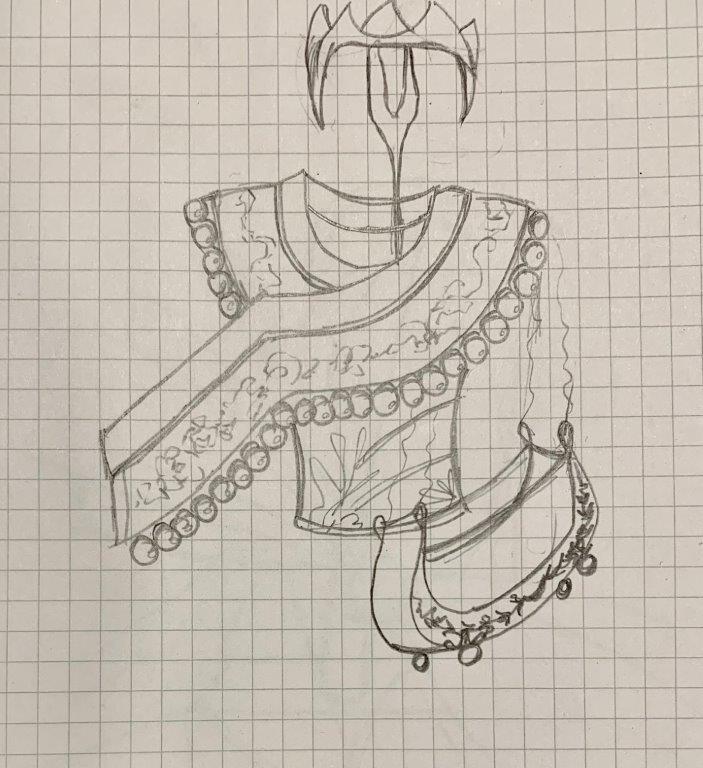
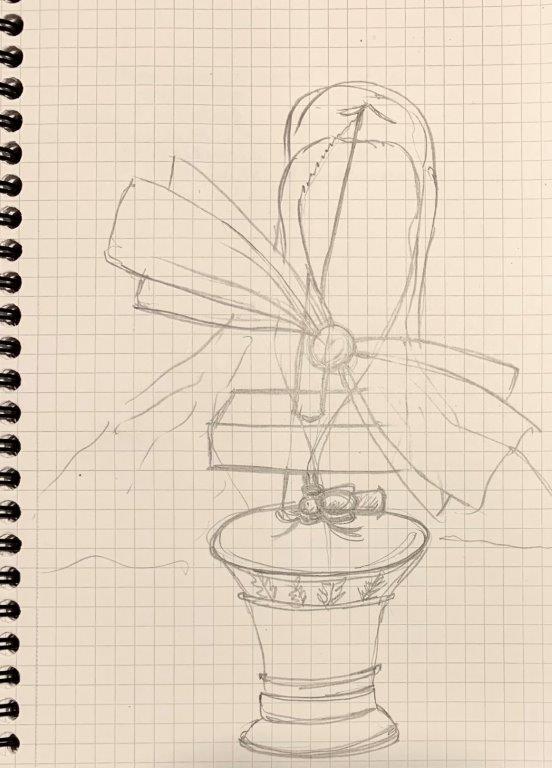
This was an interesting exercise, as I don’t enjoy still life drawing but do sometimes notice specific elements of objects. It makes me think about recording my specific interests in artefacts at the museum. From my 2 sketches, I i realize that I am drawn to functional forms of 3D objects as opposed to taking patterns or surfaces from objects.

 design factory