21 August 2019
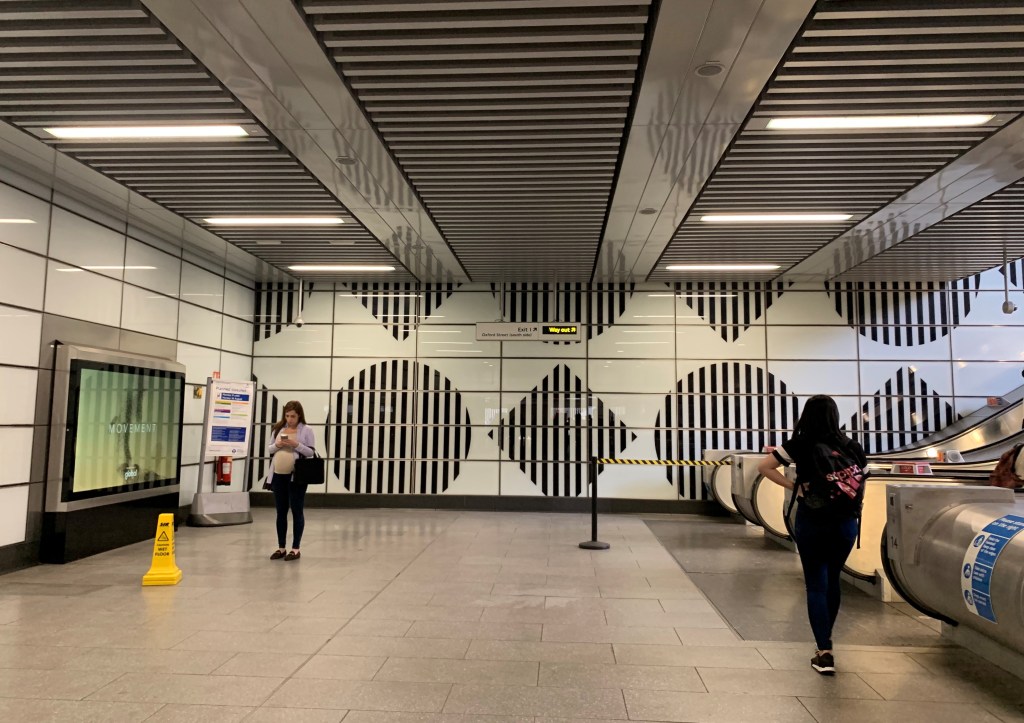
We started our journey on the Central line this morning, as Wooli, Lilly and I met at Totenhamcourt Road station to check out the piano that has been placed on the site..
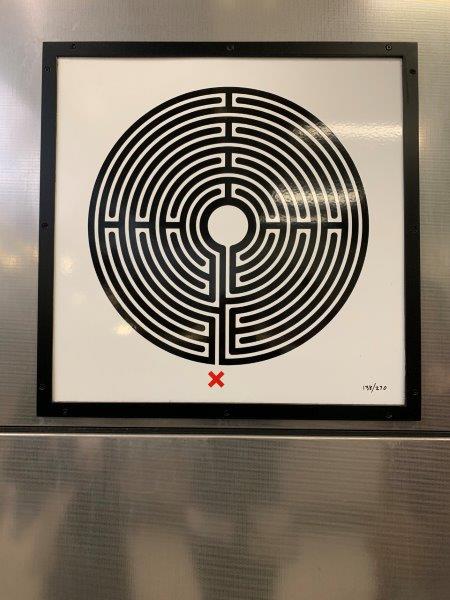
The piano was locked from public use, but we were impressed by the artwork on the paneling in the interior of the station. Lilly noticed a maze artwork that appears at a number of tube stations..
Out of the station, we moved into Chinatown, a quiet contrast to its evening hustle-bustle. A mixture of sounds, smells and happenings, mid morning was an interesting time to visit this part of the city. I tried to document the sky in relation to buildings, along with sounds of loading trucks and carts making their way to the various restaurants, in preparation for their day ahead. The area smelt of curry, ramen and candy, making me wonder whether I could create a device to record smells from various parts of the city, and map them into an interactive installation..
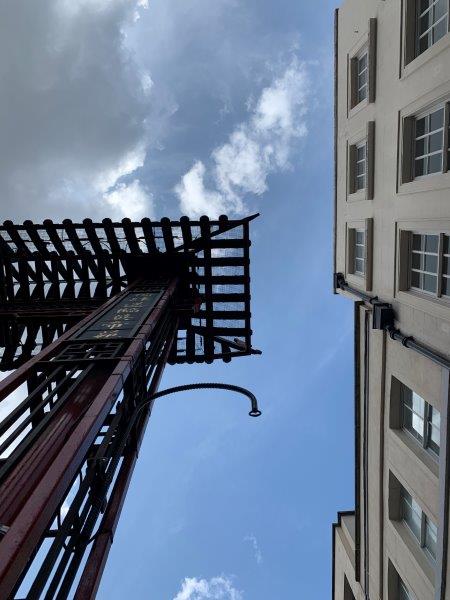
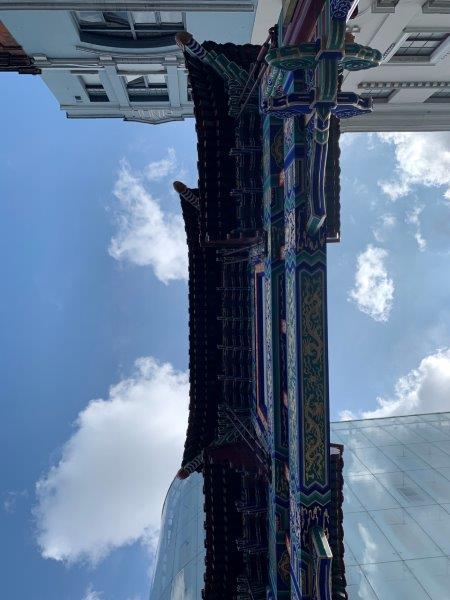
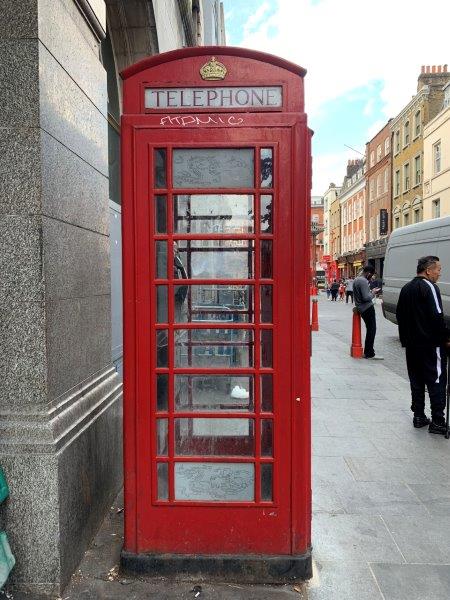
Interestingly, the telephone booth in Chinatown has Chinese symbols etched on its glass panels. Perhaps an example of how people and communities personalize objects and spaces as per their aesthetic tastes and functional requirements..
Wandering down to Leicester square, a street performance caught our attention as it engaged a large crowd in the open plaza. I recorded the sounds of the performer’s music and the audiences claps and cheers as he somersaulted over 5 people as they knelt on the ground praying for his safe landing. The loud cheers at his success were like validation for his act, and justification of the public’s time spent in apprehension under the noon-time sun.
I found sound recording an interesting documentation technique and wanted to collect sounds from different contexts within the city. The m&m’s store nearby gave me good exposure in sound study as I sneaked onto children begging their parents for candy, the happy sounds of m&m’s falling into takeaway cups, and the not-so-happy sounds of tantrums and reprimands. The store smelt, as expected, of sweet m&m candy and skittles, another distinctive fragrance that I thought, could go well on an interactive installation.
Wooli was getting video shots of people’s feet as they walked through these spaces. I thought it would be interesting to combine the different footages and try to create the atmosphere of the space through sounds and moving-foot videos.
Next, we took the District line to get to Aldgate East, where we were booked on a Walking Street Art tour of the Shoreditch-Brick lane and and surrounding area. We were supposed to take the central line, but had drifted into District area..
As the street art tour began, I tried to notice the reactions of the people with me on the tour, to the various types of art they encountered, while navigating the city on foot. I recorded some conversations and made observations of amazement, surprise, curiosity and exhaustion. An exciting moment was when we were looking at works of Thierry Noir on Bash Street, and encountered the artist himself, along with his team, painting a restaurant facade.
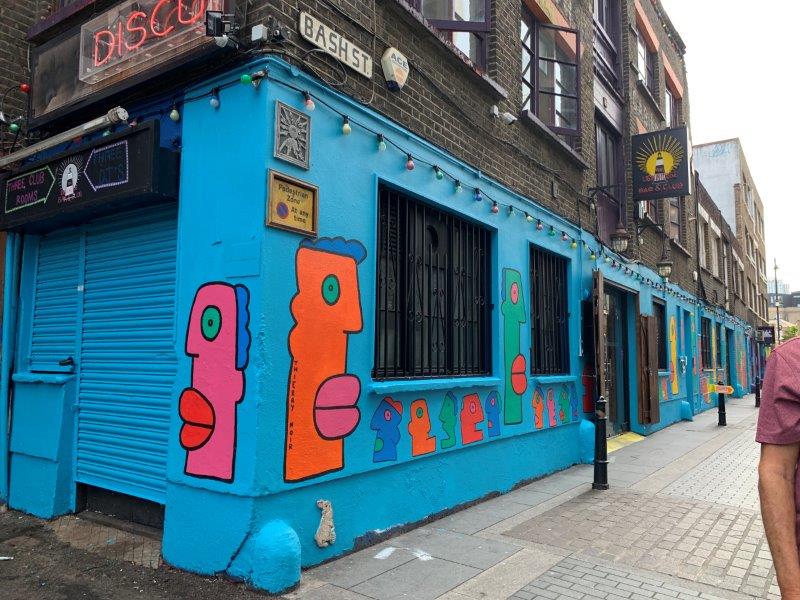
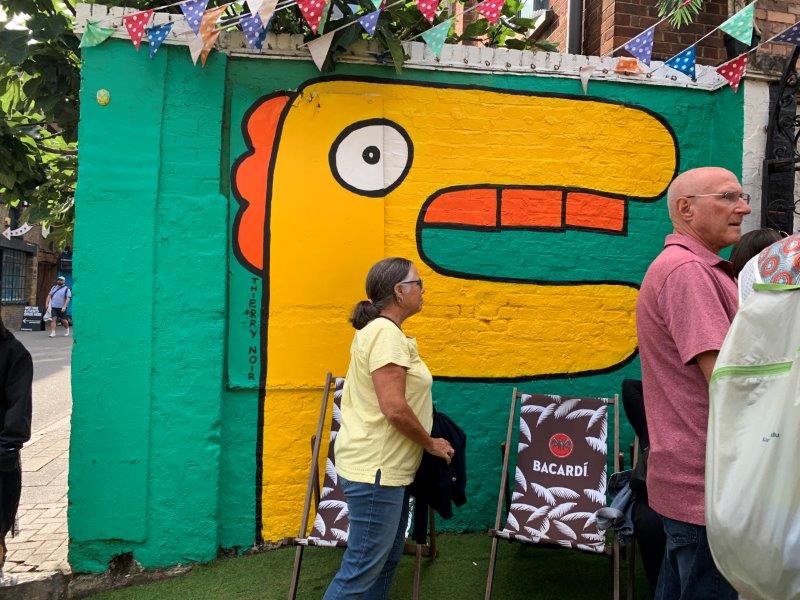
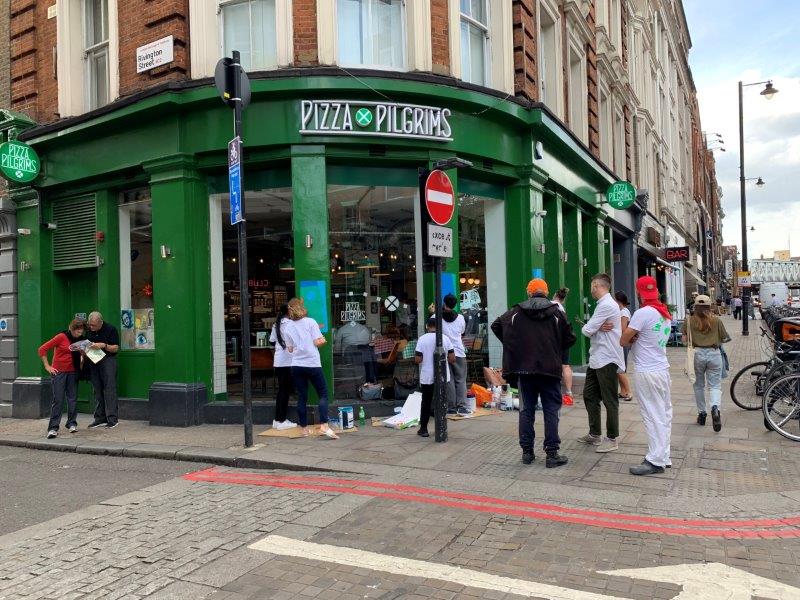
Some of the artworks shown on the tour were stencil reproductions or paste-ups to save time and avoid confrontation from the law, while others were intricate brush and spray paint works, painstakingly created over periods of a couple of days. While some artists left their artwork on public walls, subject to vandalism and the elements, some others often visited their pieces repeatedly to ‘fix’ tacks made on their work. Our tour guide, Jessica explained that the artists who relied on street art as their sole means of livelihood needed to keep their public works in pristine condition to attract potential customers; while those who took on street art as a hobby, often thrived in the creating the work, and then leaving it to the elements/vandals/fellow artists.
Many of the famous artists had negotiated deals with building owners, often changing their artwork on their own, personal public walls every couple of months, yet in some places like the nomadic community garden, artworks changed almost within a span of 24-48 hours, stressing on the impermanence of street art, and the nostalgia surrounding certain special ‘preserved’ pieces.
This made me appreciate the street artist’s act of ‘letting go’ of his beloved pieces of work, and subjecting them to public response. This is something I would like to work on, with my craft projects, since most of my craft work remains hidden within my own room, out of too much ‘attachment’ and too little confidence to put it out for the world.
I also sub-consciously contrasted the art scene in London with that (or lack thereof) in my city, Chandigarh, in India. I would like to look up the public art rules and look at the possibility of installing kinetic art (3 dimensional) and street furniture and try to enrich the public spaces of my city. Despite the city’s Art and Architectural infrastructure, there is a general lack of public debate, or expression of opinion regarding everyday topics, a conversation that awaits a spark from its enthusiastic citizens.
As a possible project concept, I thought of creating an interactive installation mapping the environment of some selected places in London, and reproducing the environments in their sounds, smells, air temperature, wind speed, degree of enclosure, surface texture etc. as a memory of London landmarks, or an access tool for those who cannot visit these spaces in person. A possible contradiction to this concept may be that the idea proposes putting an experience in a box (much like Gary’s review of my culture capsules project) as opposed to getting people to go out and experience things for real.
The Changing City
Certain aspects of today’s exploration of London pointed directly at changes and responses to changing times, reflecting in the aesthetics and functionality of objects, art and space.
The tube rides on the Victoria, Bakerloo, District and Central line , gave a direct time-based insight into the expectations from the lines in the past, and reflected the technological advances of their times, in terms of tunnel size, consequent car height, car capacity and air conditioning. The routes of the respective lines, when studied in chronological order of their construction, give an insight into the development and demographics of different areas of the city over the past few decades.
The origin and evidenced popularity of Chinatown as a gastronomical and retail destination for locals, reflects on the changes in demographics, cultural exchange and globalization brought in with the post-war times.
Getting to know the history of the Shoreditch area was a study in time-based change as well. What evolved as anarchist-led vandalism of war-affected industrial areas of East London, is now a tourism based economy in Shoreditch, now acclaimed as an art-hub, with property prices topping those of the historically posh central and western areas.
Subjects of artwork too, seemed to have reflections of the changing times and conditions; with the newest pieces based on immigrant rights, political reflection and futuristic projection.
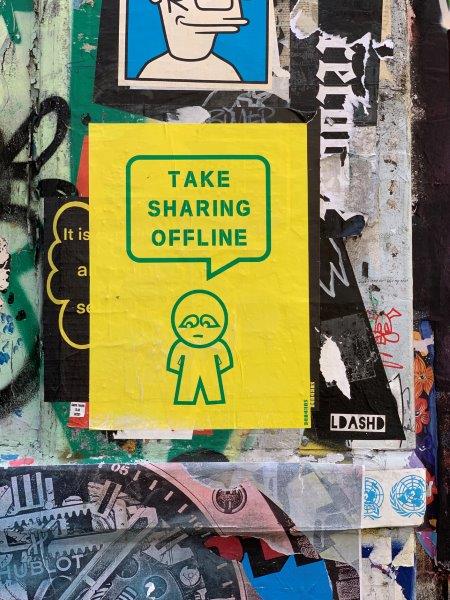
Messages for the Community 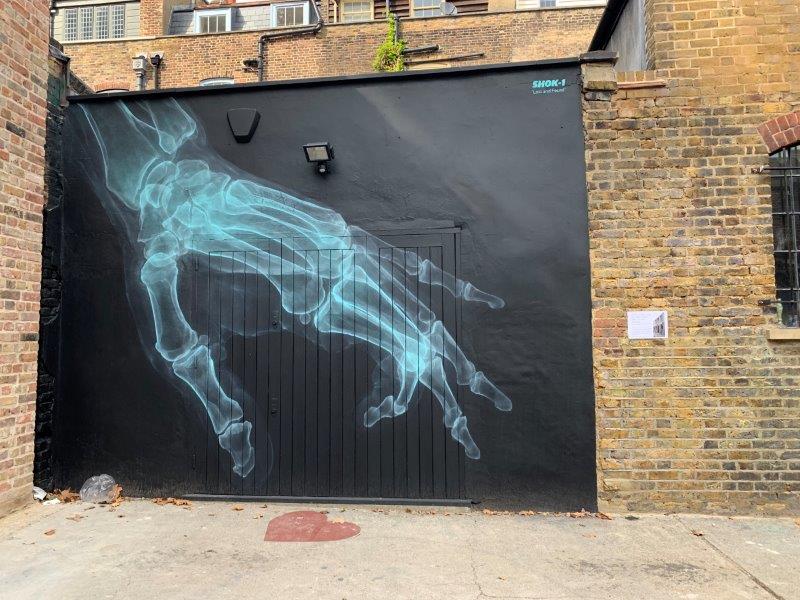
Experimental Art 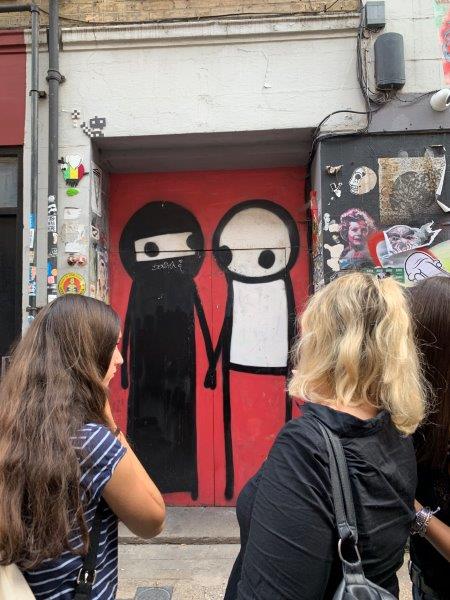
Immigrant Issues 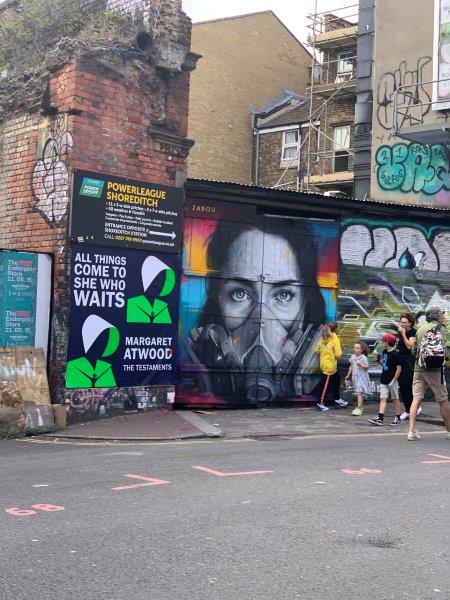
Freedom and Rights 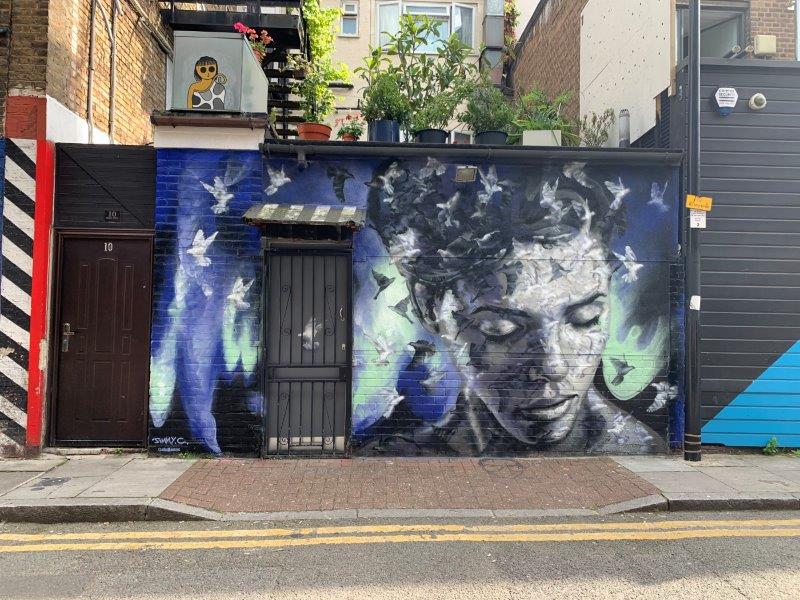
Personal Expression 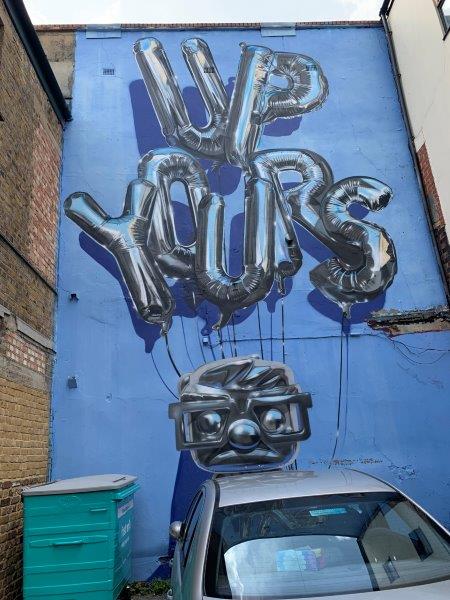
Personal Expression 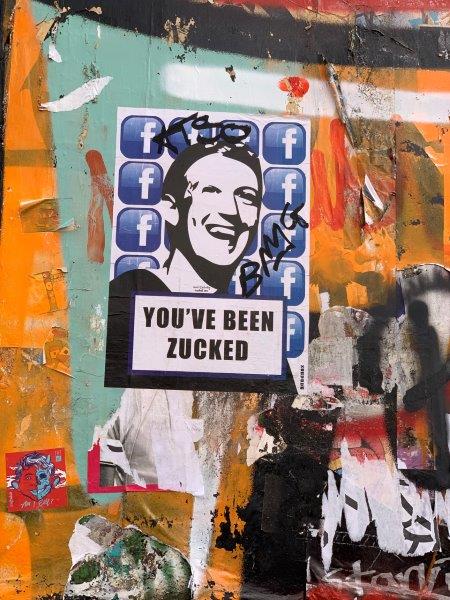
Social Consciousness 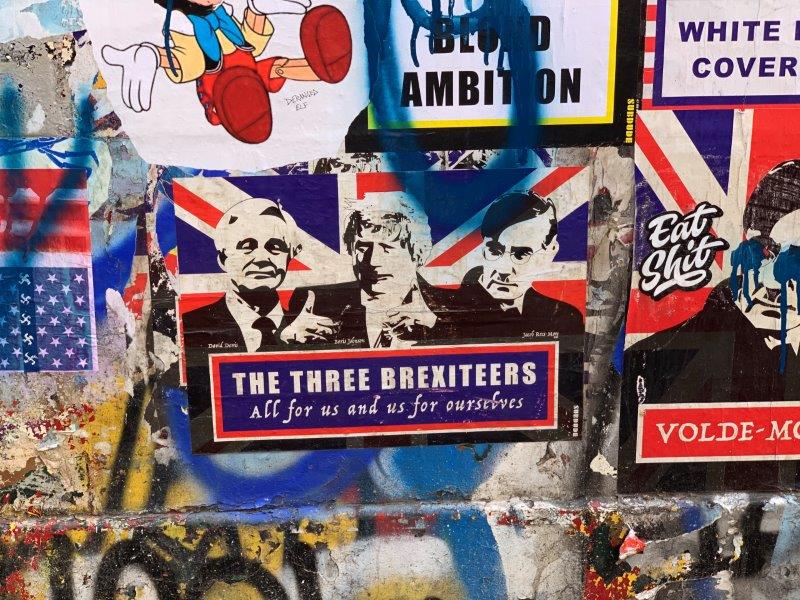
Politics 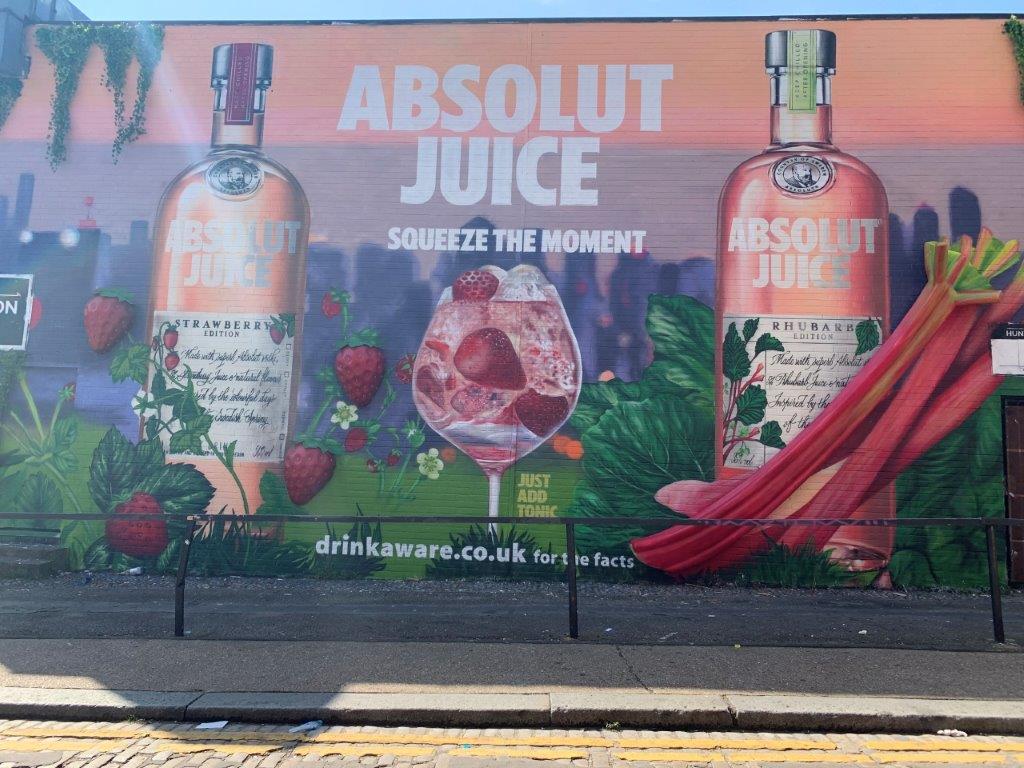
Advertisement
Today’s navigation of the city makes me think about the projected futuristic demands of the city, and how I could propose a solution to changing times. I am drawn toward the street of London as a generic site for intervention, and I would like to project futuristic needs of some sample streets, and proceed with some individual and some common design criteria identified..

 design factory