20 Aug 2019
Today’s visit to the Museum of London was a fruitful research activity with regard to the Navigators project, as it provided me with a lot of background information on the context of the city.
Upon entering the museum, I decided to skip the prehistorical exhibits as I felt I could not relate to them, and was curious about the rapid changes that the city saw during and beyond the 1600’s.
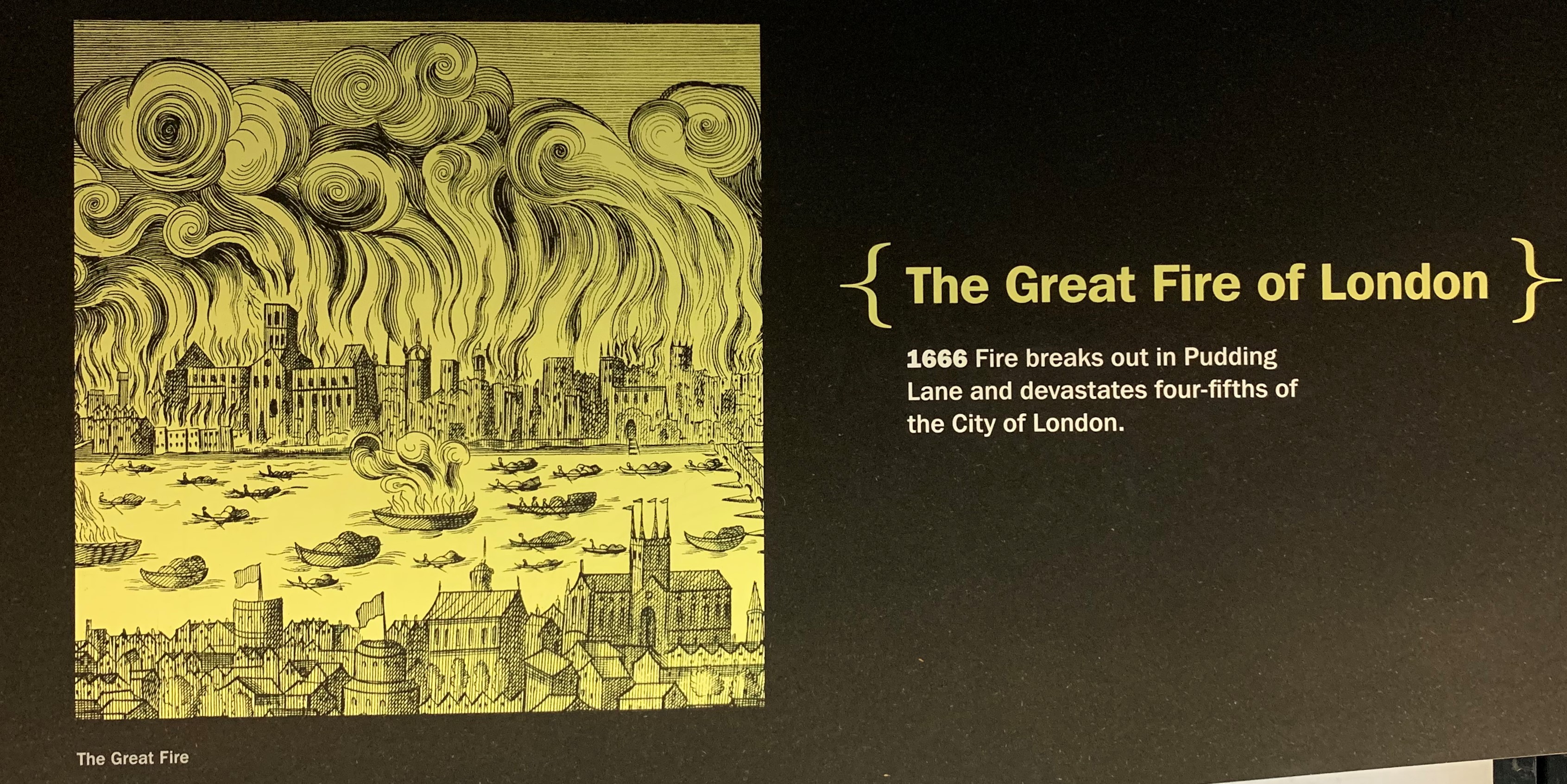
The user interface of the museum was really commendable, as it informed me of the timeline of history I was exploring as I entered each free-flowing gallery; apart from the major developments that took place during that time, through a continuous time-ribbon running along the circulation corridor.
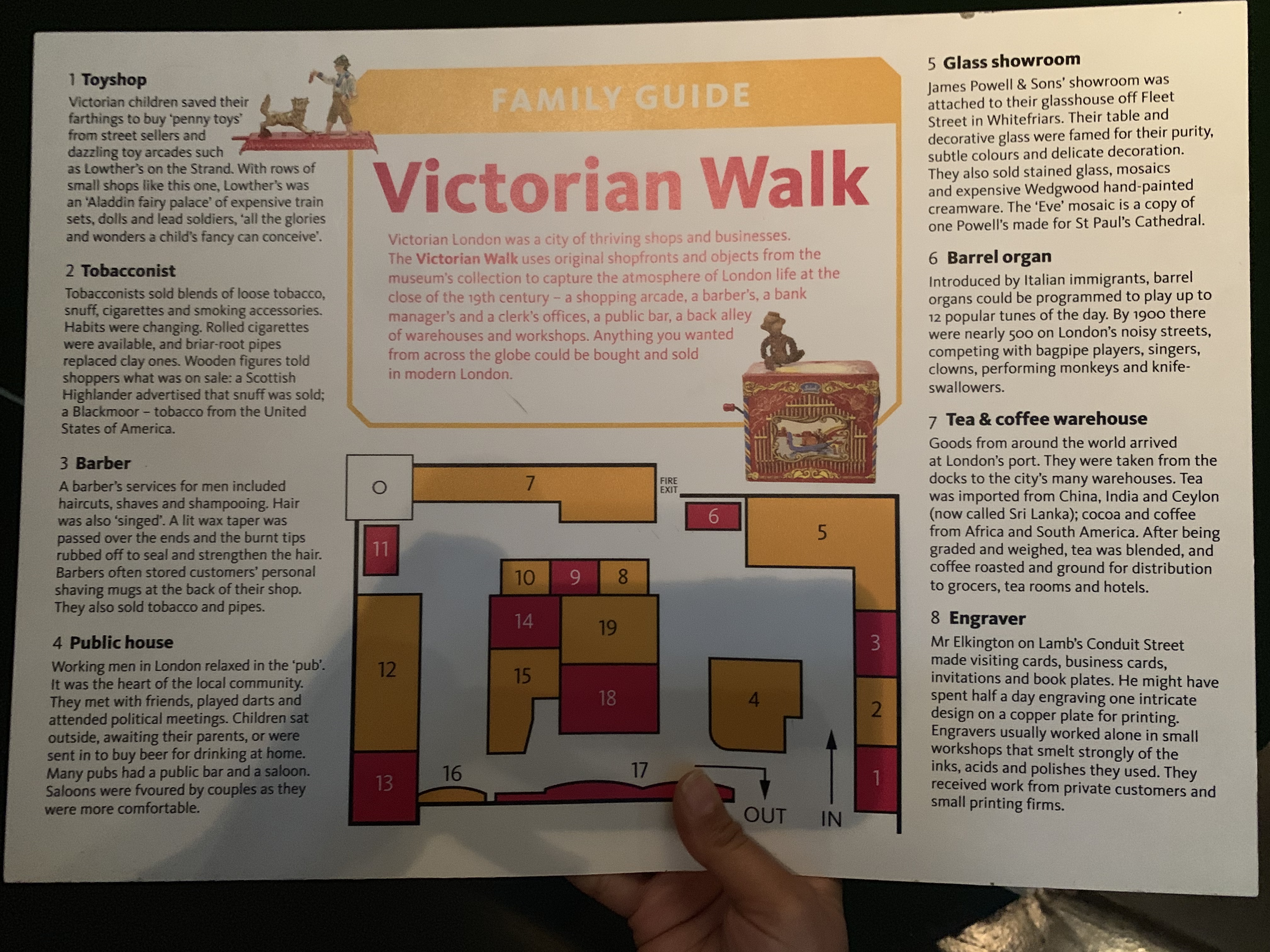
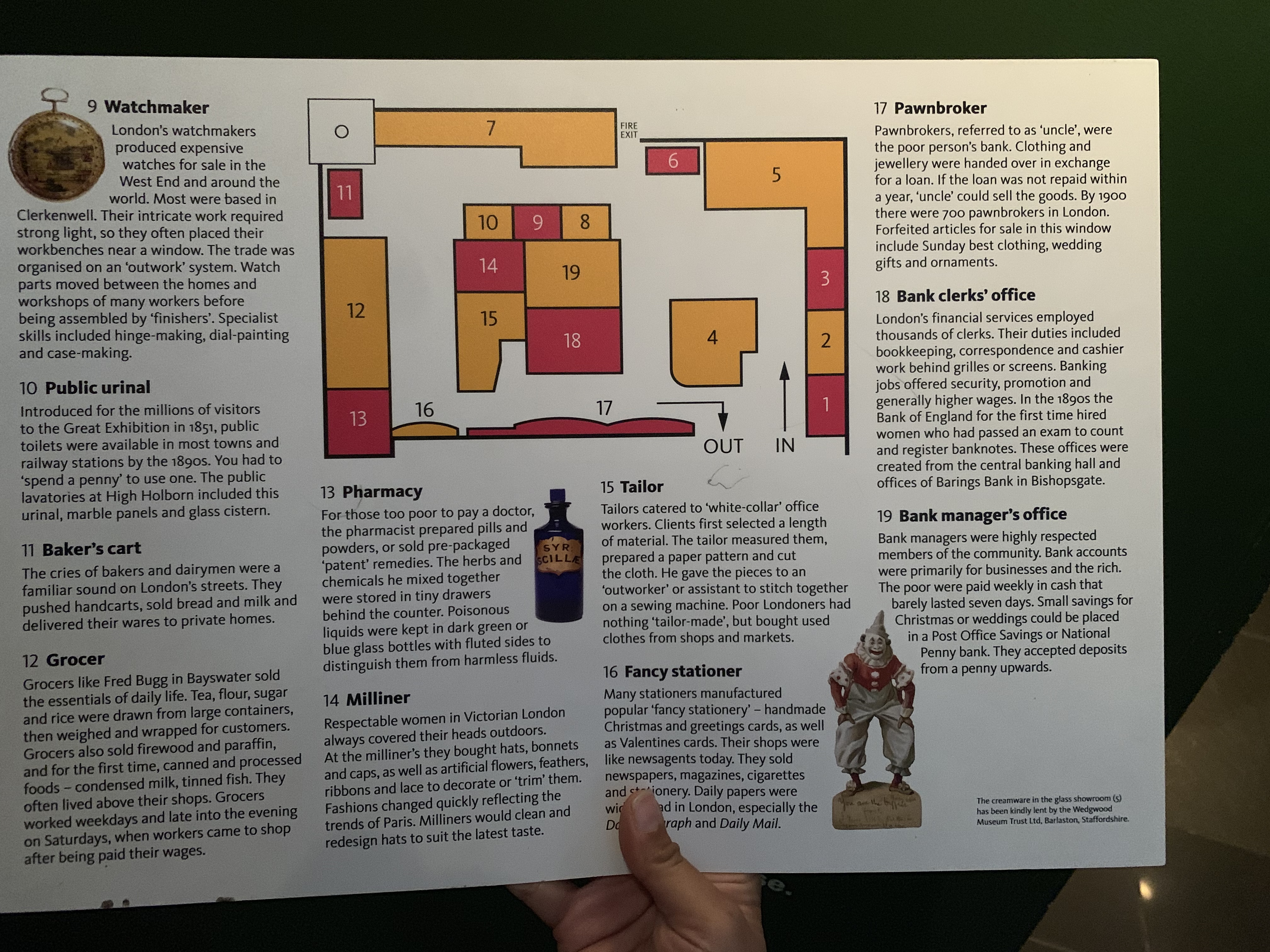
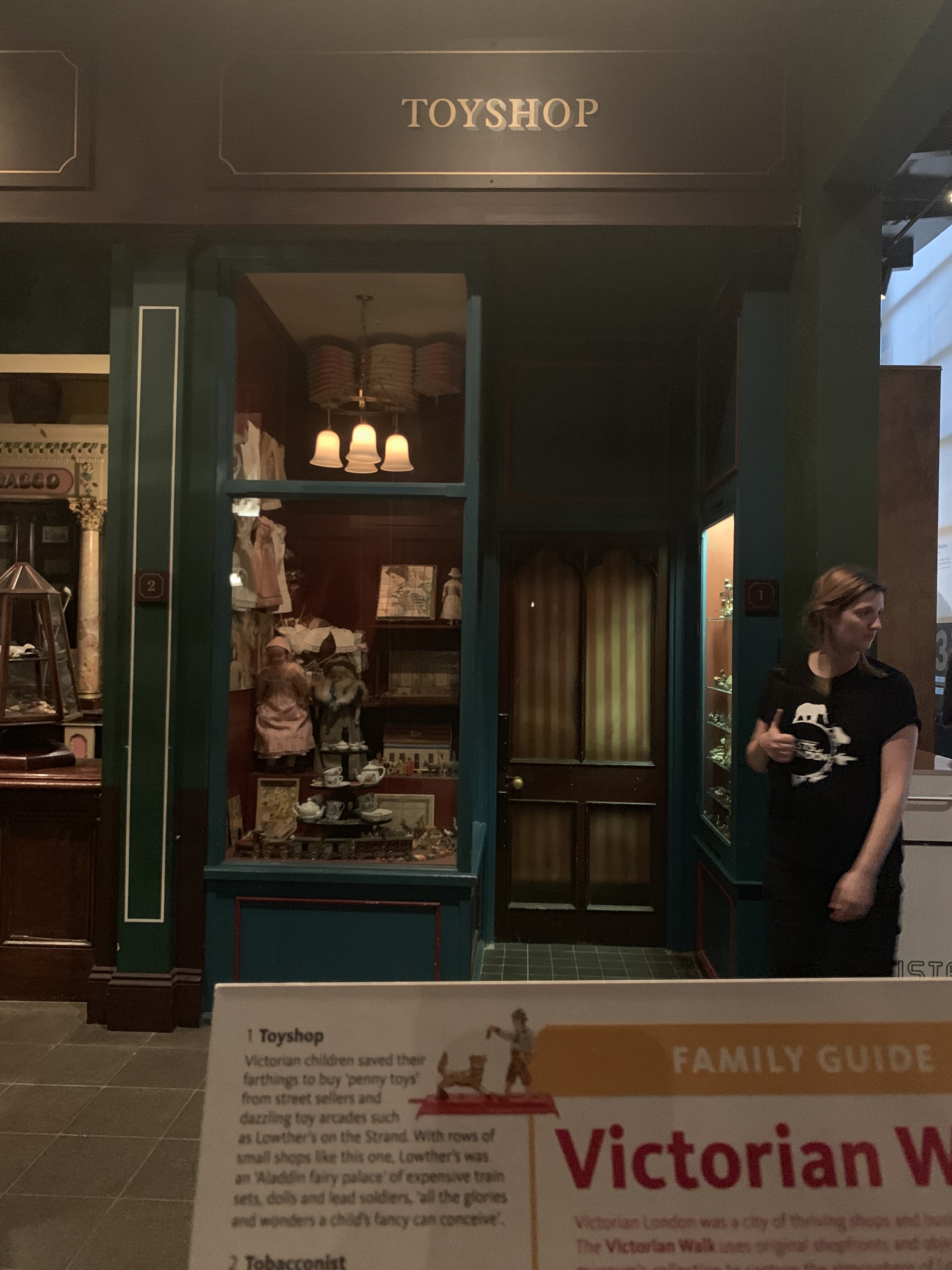
The Victorian walk is an installation of some of the important retail and service oriented establishments common along the London streets during the Victorian period (1837-1901). This was one of my favourite experiences in the museum, as I found it exciting to be venturing along historical streets and looking at the shopfronts and services most relevant to the needs of the people during that time. What was also interesting to note, was that the aesthetics of a lot of modern celebratory British, and colonial inspired toys, facades, street furniture, flooring and light fixtures have a direct similarity to those shown in the Victorian walk. (Example Benjamin Pollock’s Toyshop in Covent Garden, layouts and design aesthetics of contemporary ‘English’ pubs, colonial street lamps etc.) This ‘London’ holds much historical and aesthetic fascination for me, as it represents the epitome of colonial design.
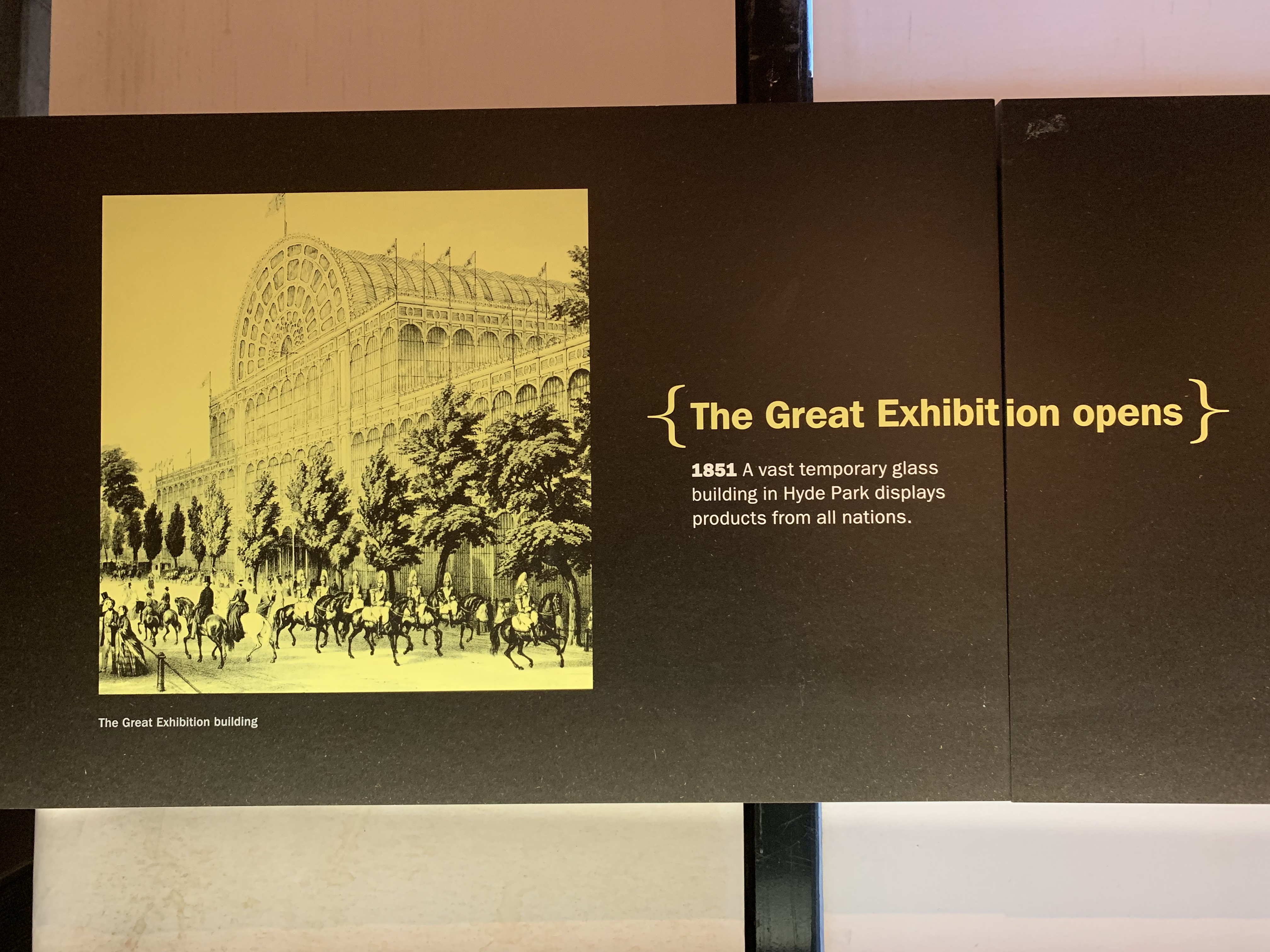
I remember reading about the Great Exhibition while at high school and during Architecture school, and both times, being inspired by the architecture and the context of global exchange, both involving many firsts, and yet successful pioneers inspiring future development.
The timeline ribbon also captured the major technological issues and developments during the 19th century, including problems of drainage, introduction of electric street lamps, and the construction ot the Tower bridge across the Thames.
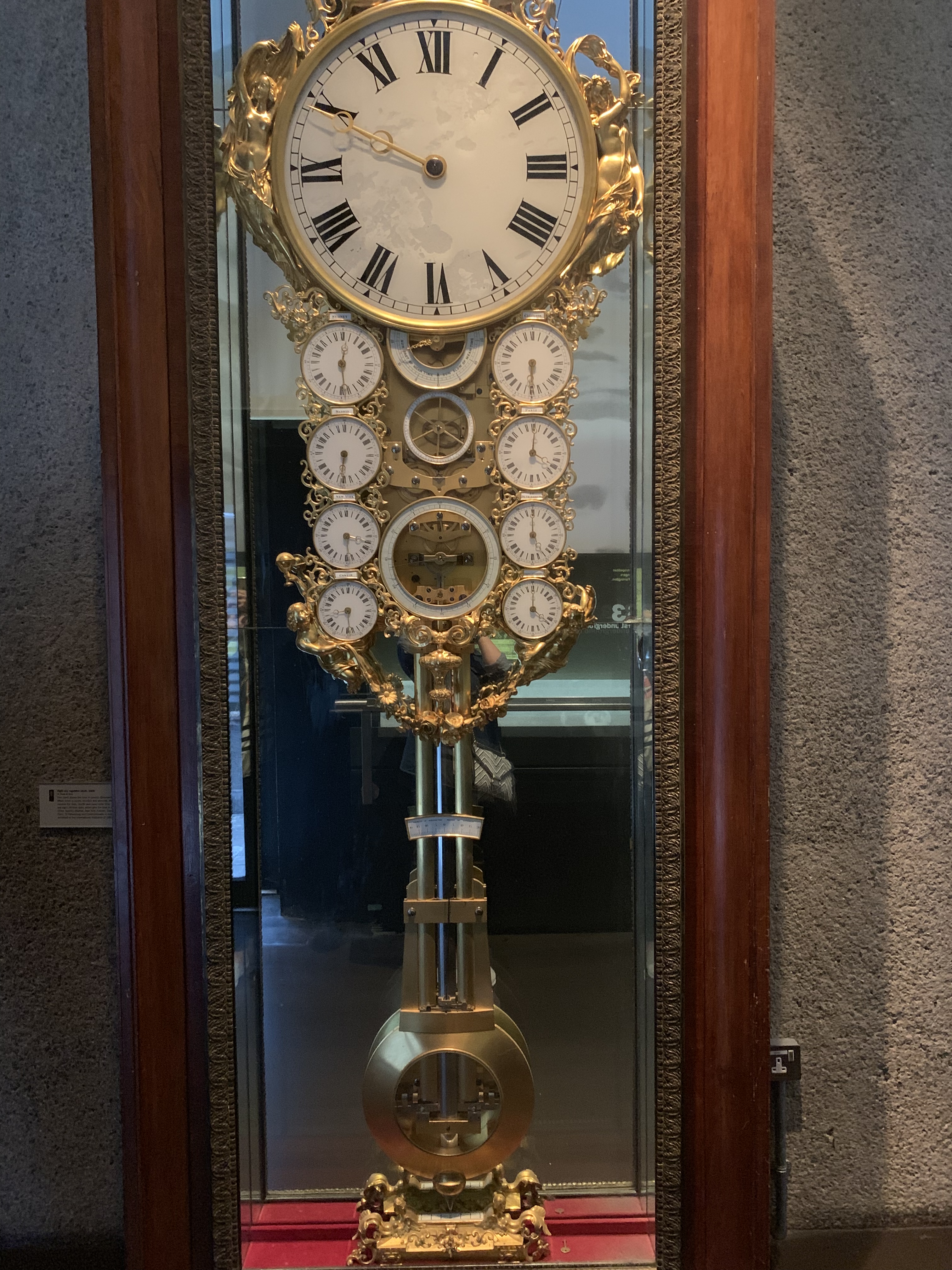
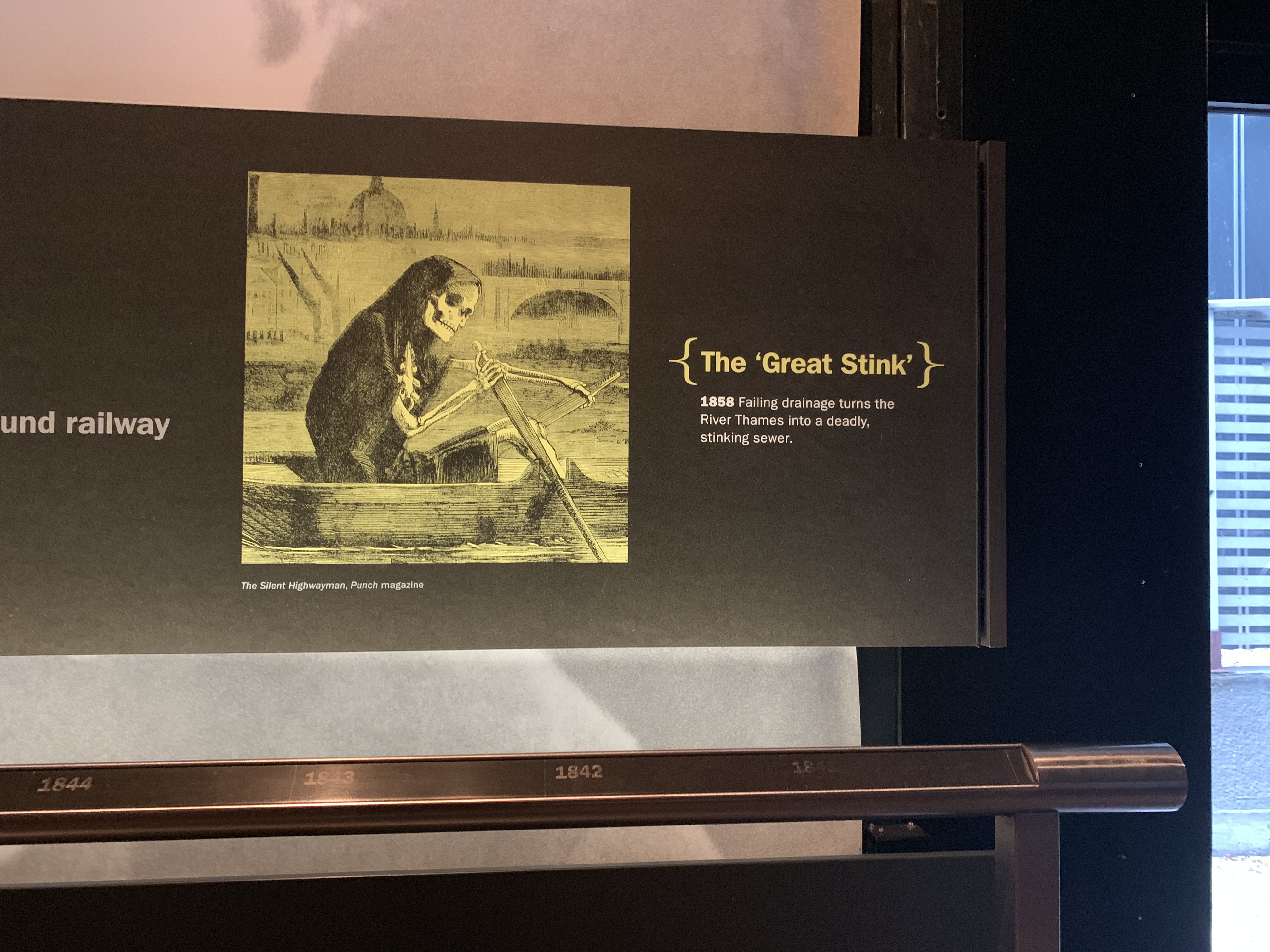
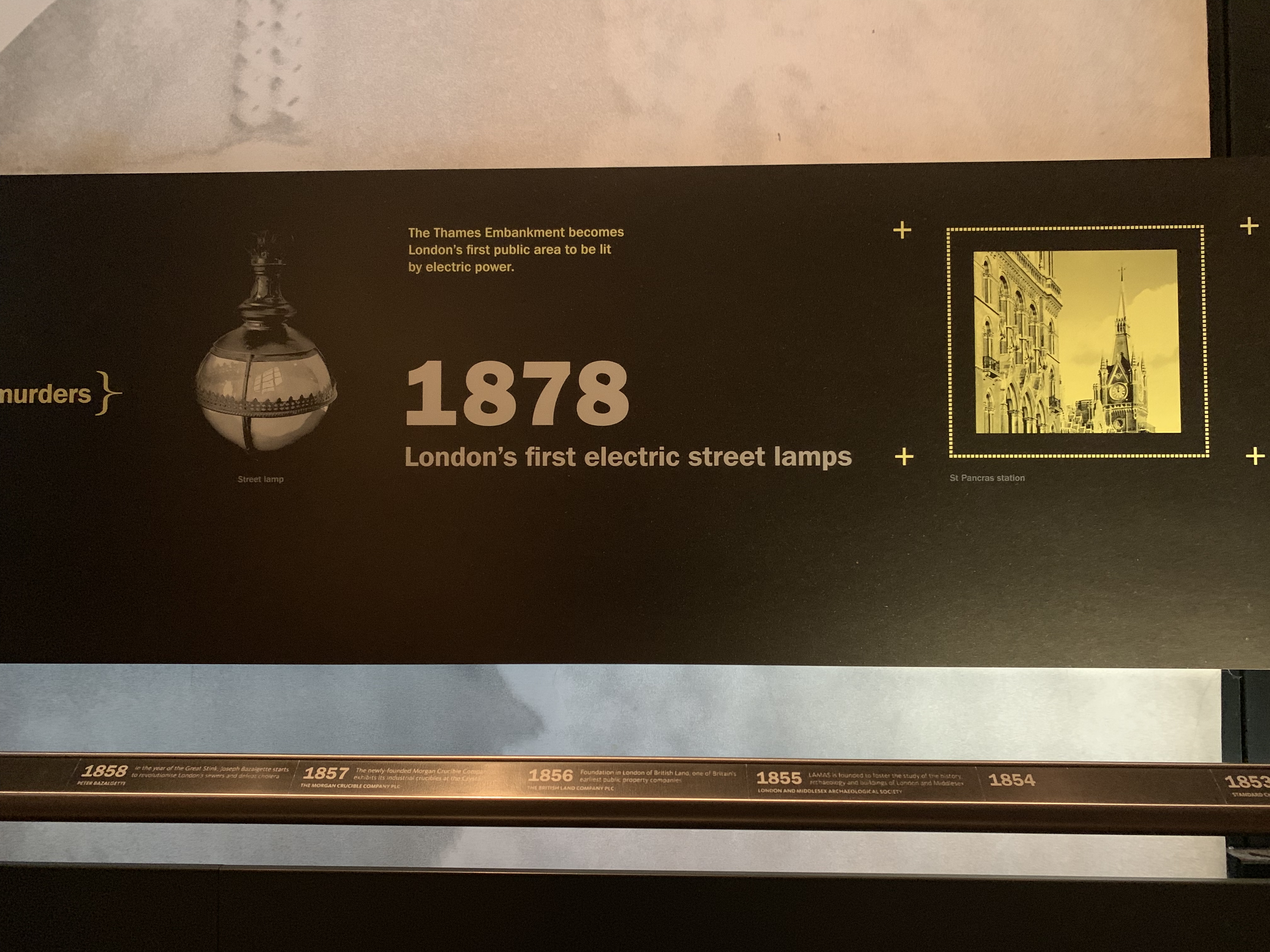
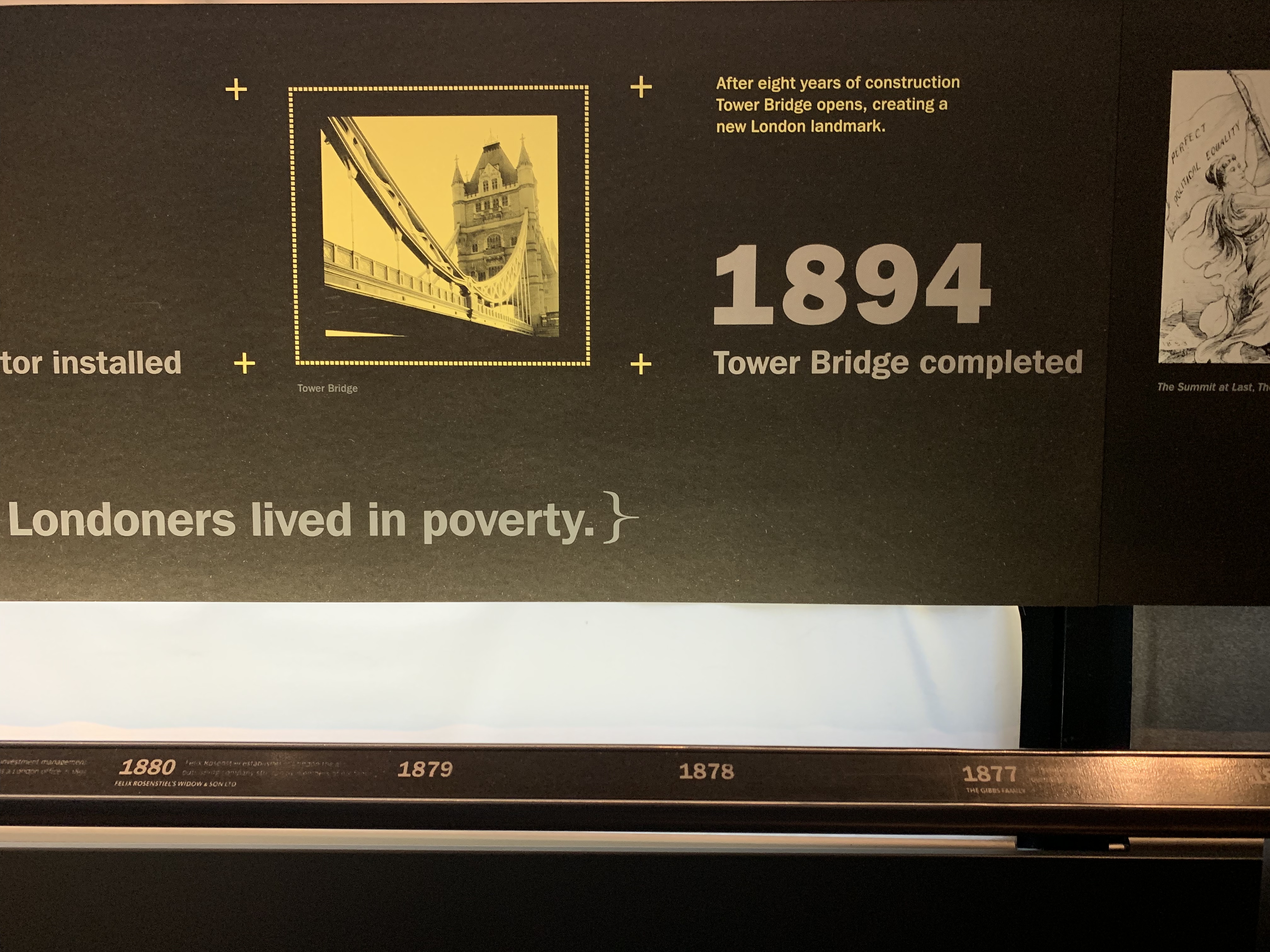
Some events presented almost unimaginable times-and-places for me, having experienced a very short fragment of historical development as compared to the ‘modern’ city: which was formed out of centuries of agglomeration, connection, destruction, restoration, development and influx.
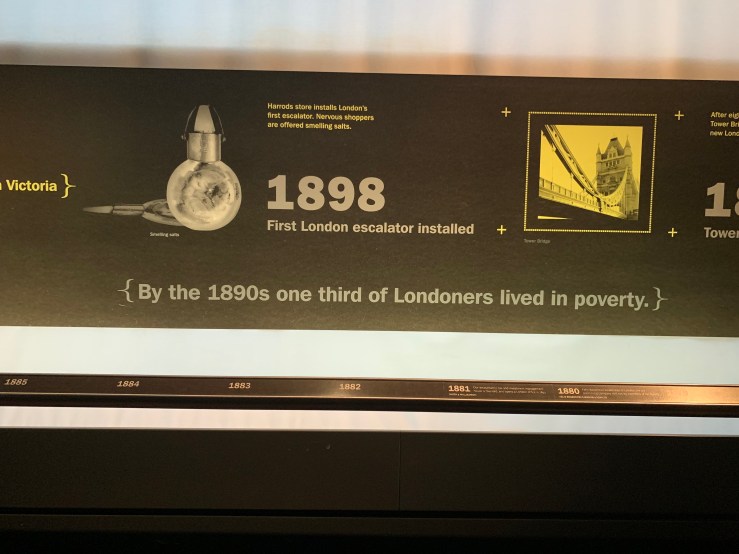
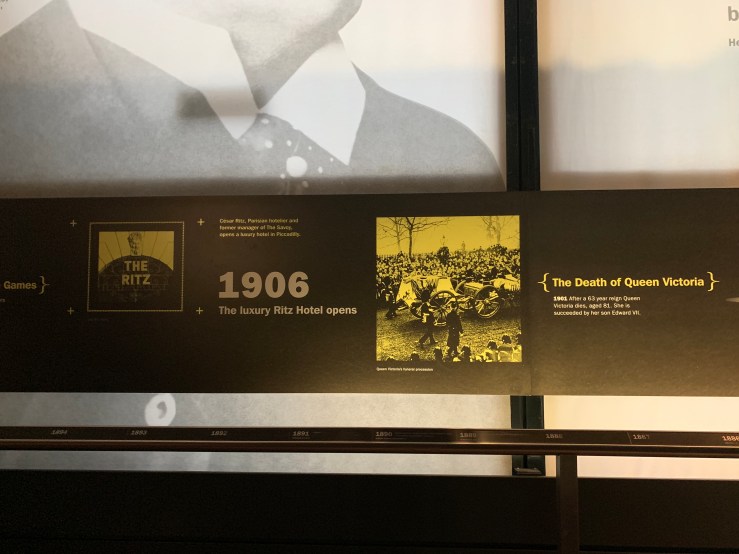
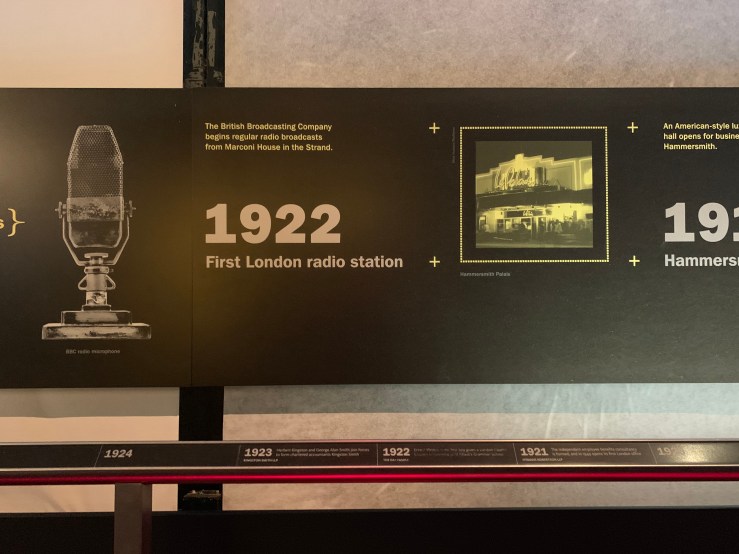
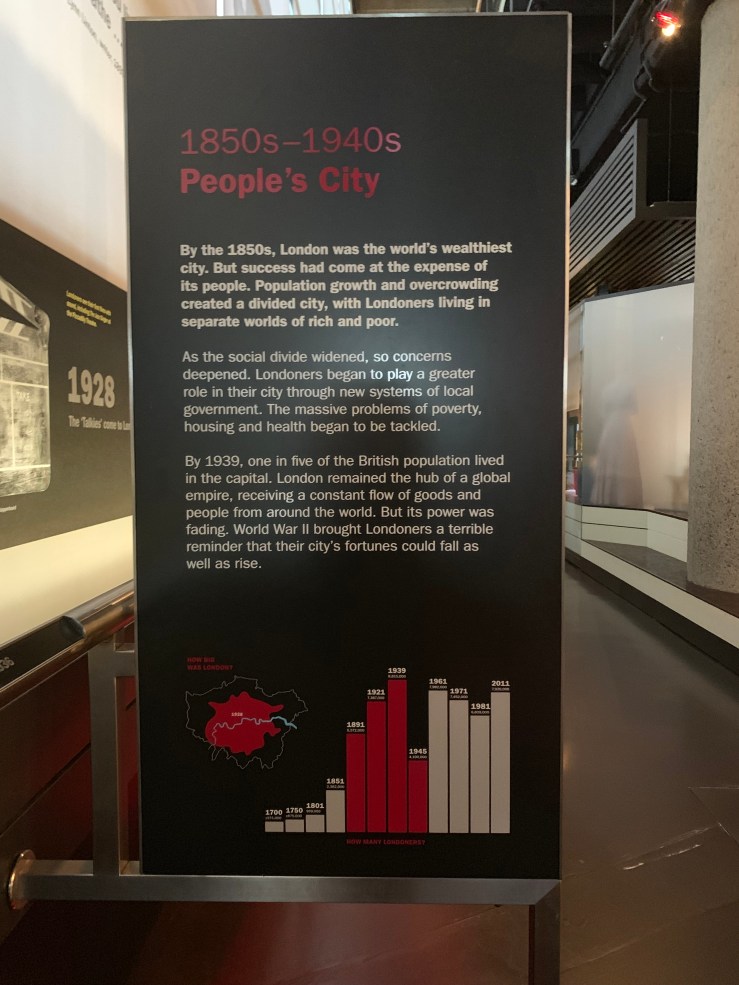
It was interesting to learn of developments and changes in the development of services and products at the turn of the 20th century, with the introduction of the escalator at the Harrods store, the opening of the Ritz-Carlton, and the setting up of radio broadcasting service. The city was being taken-over by its people, and their needs defined the changing face of its development.
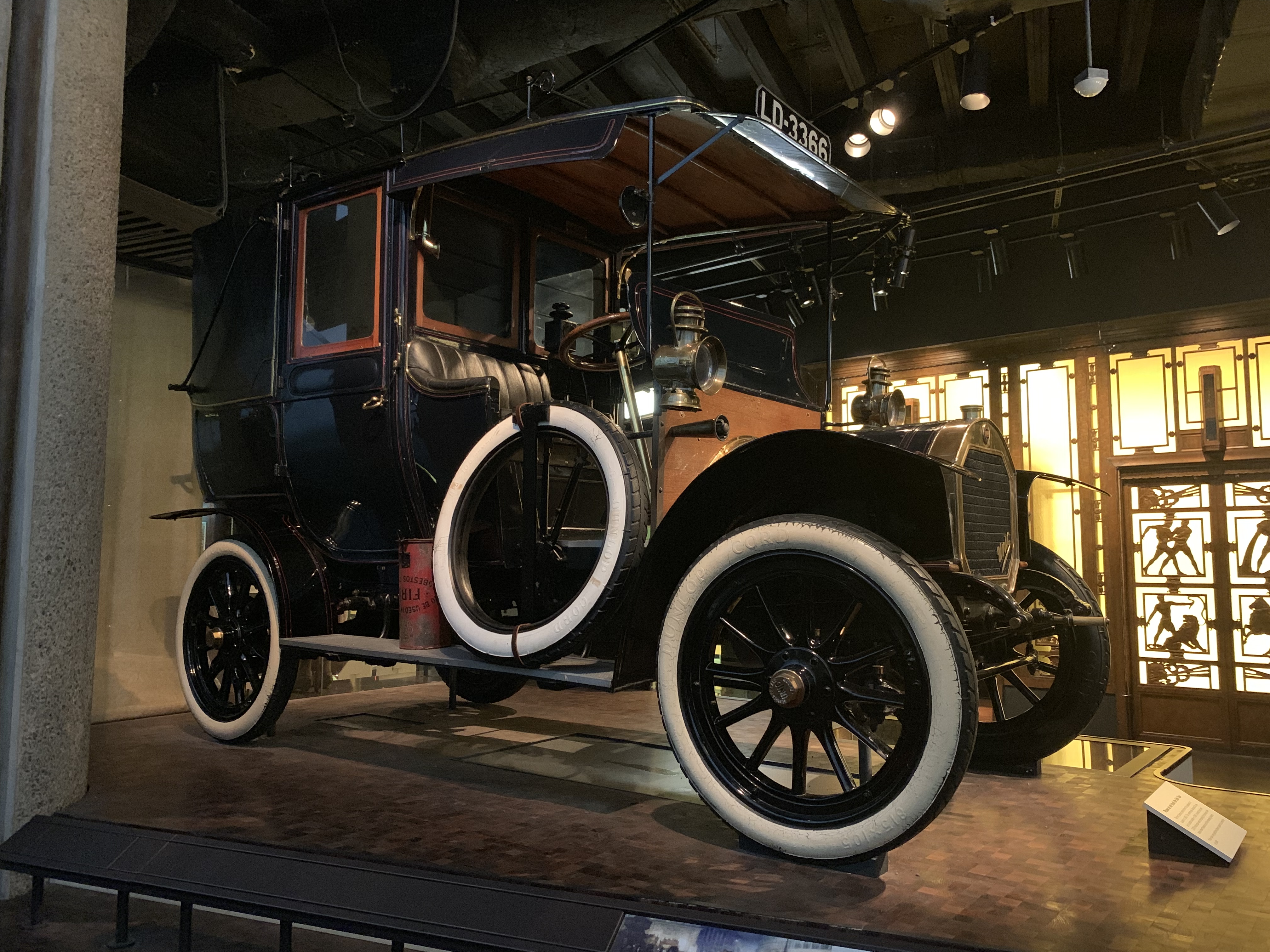
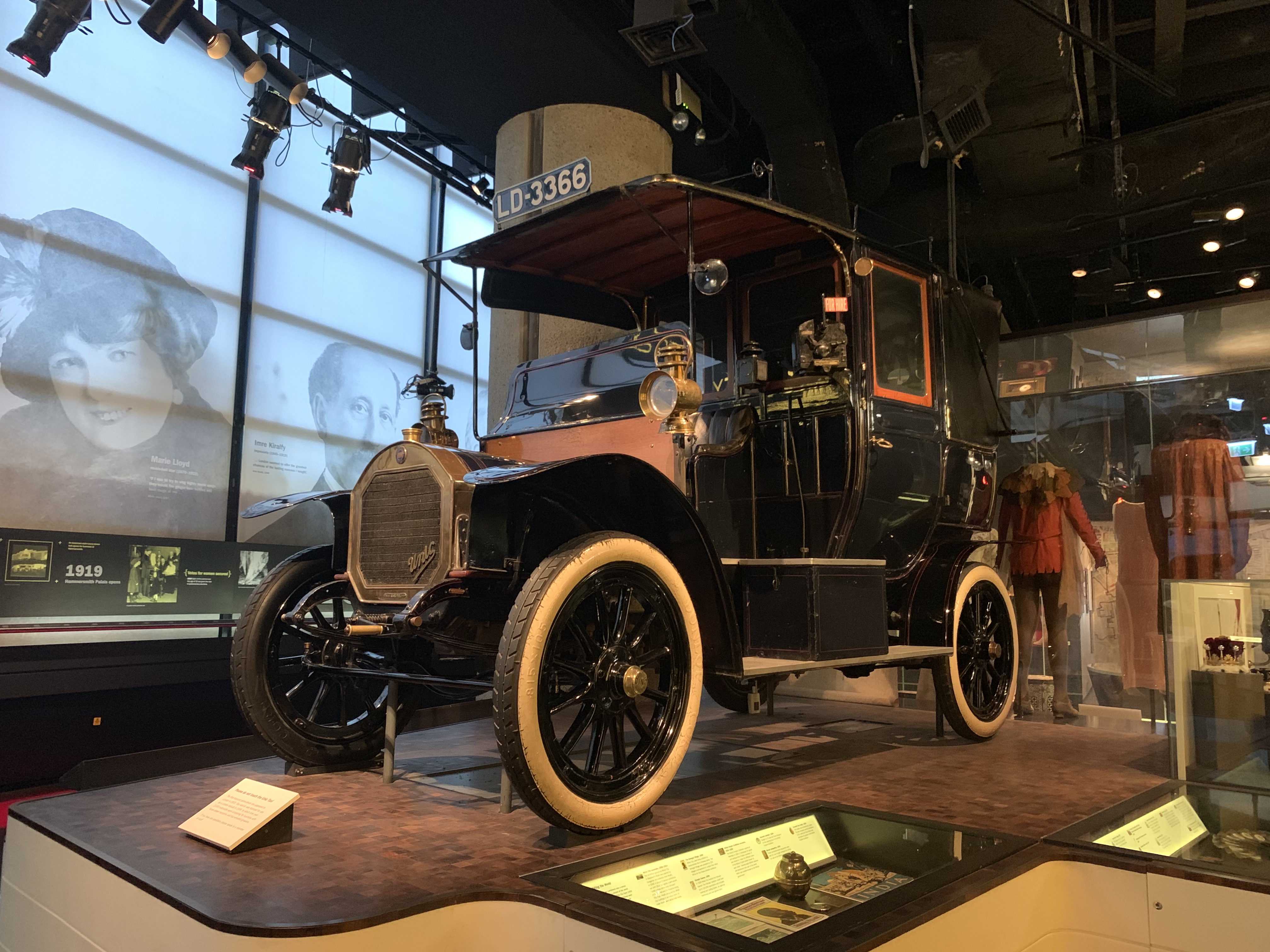
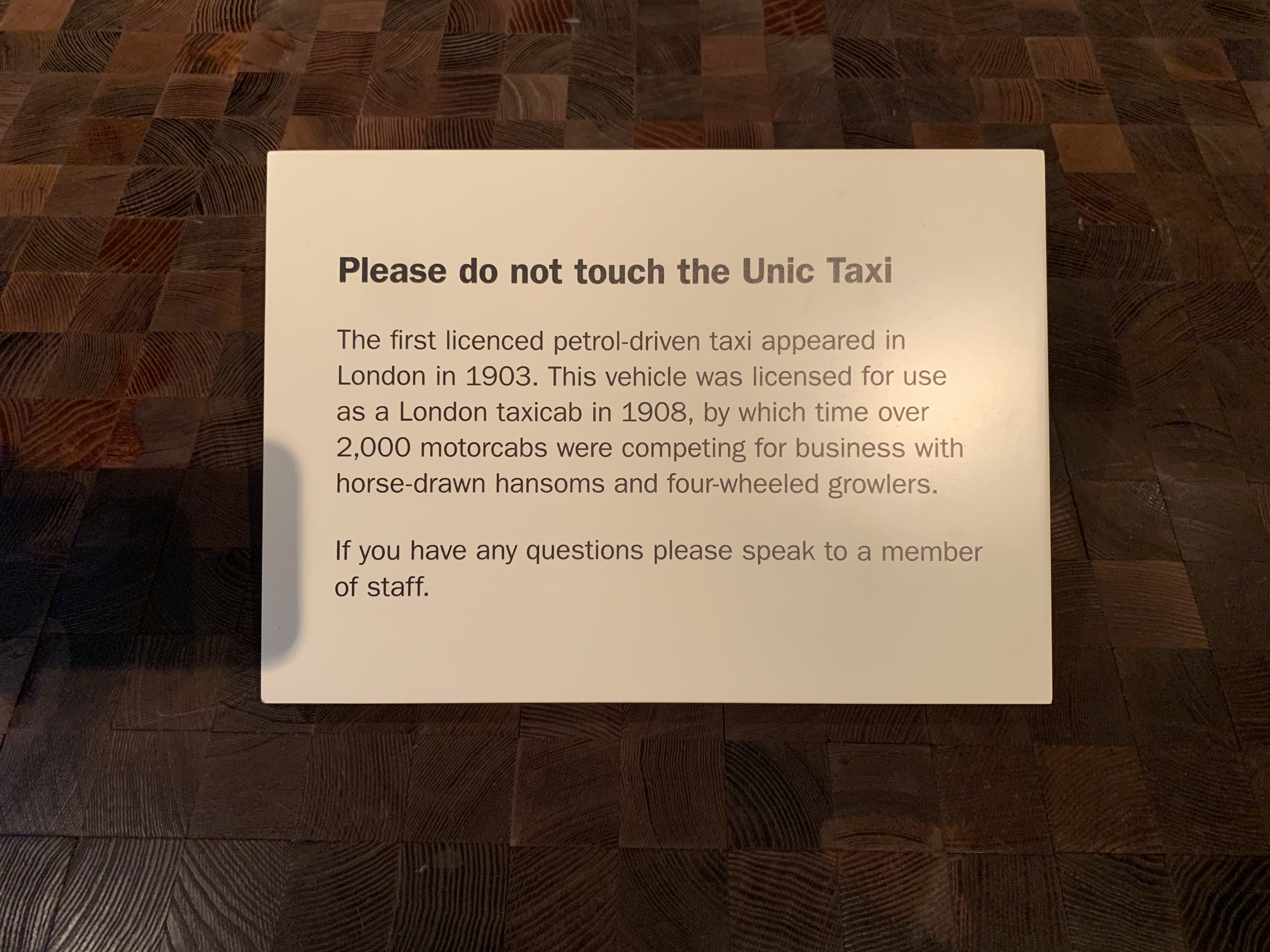
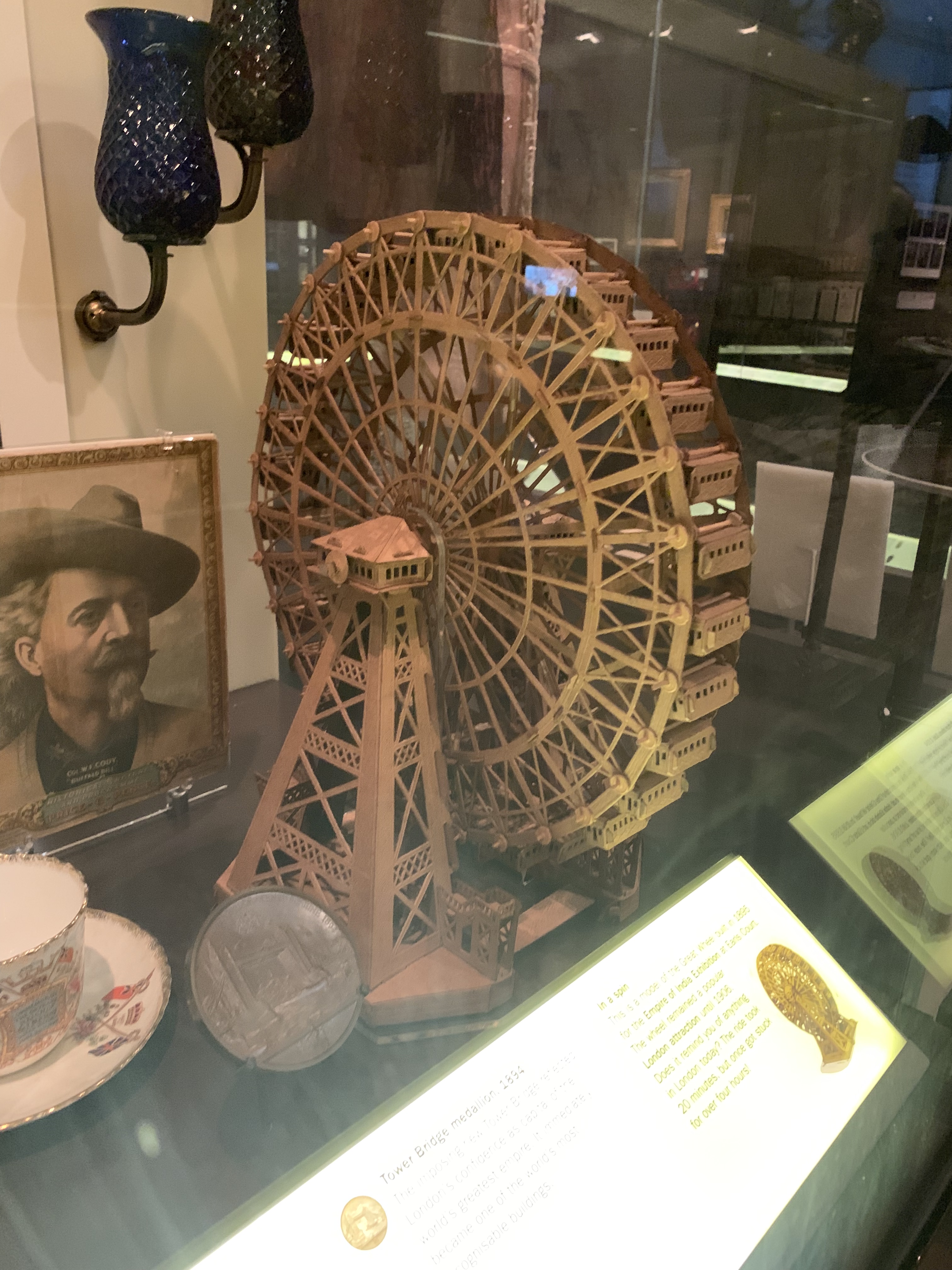
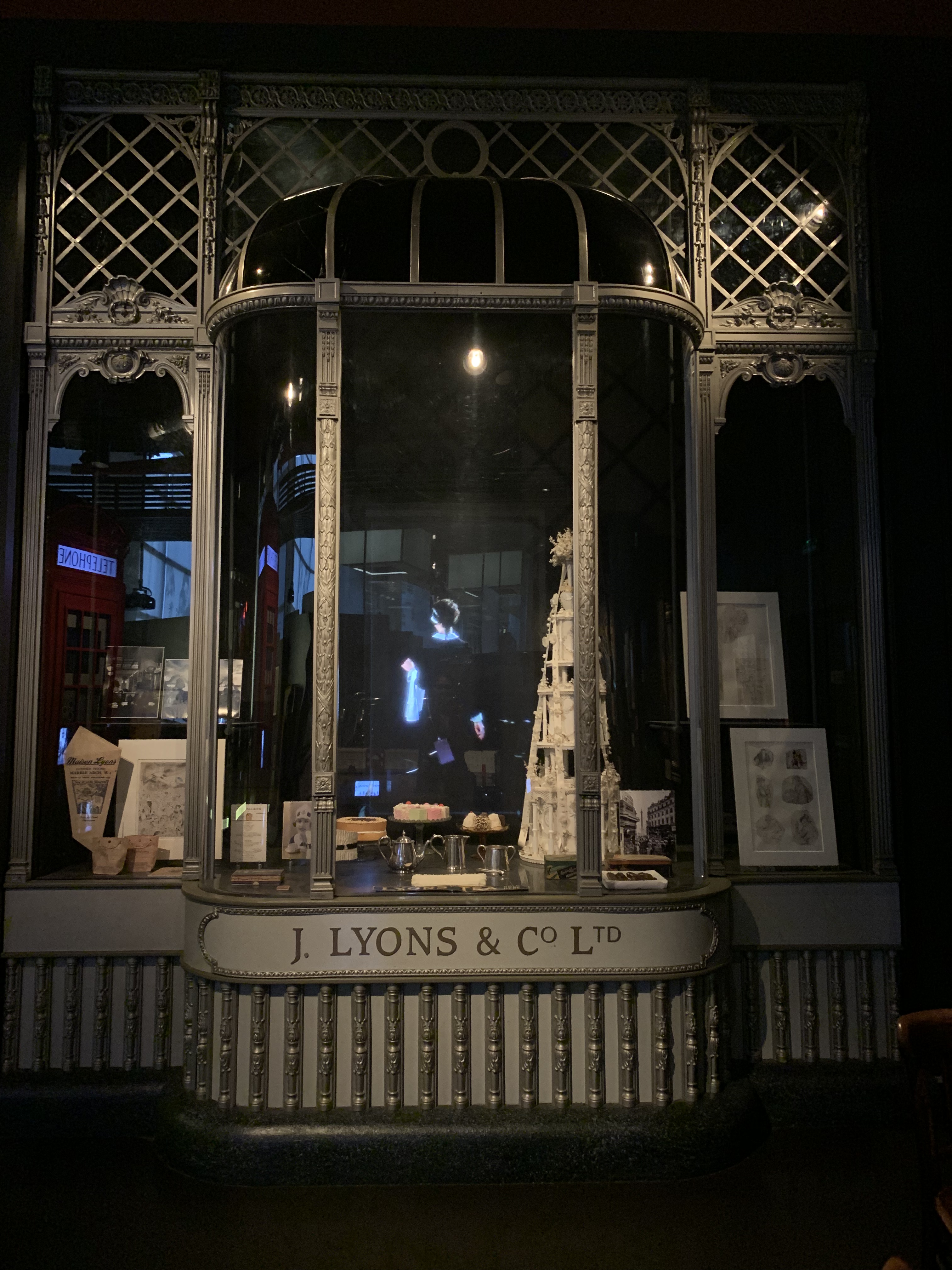
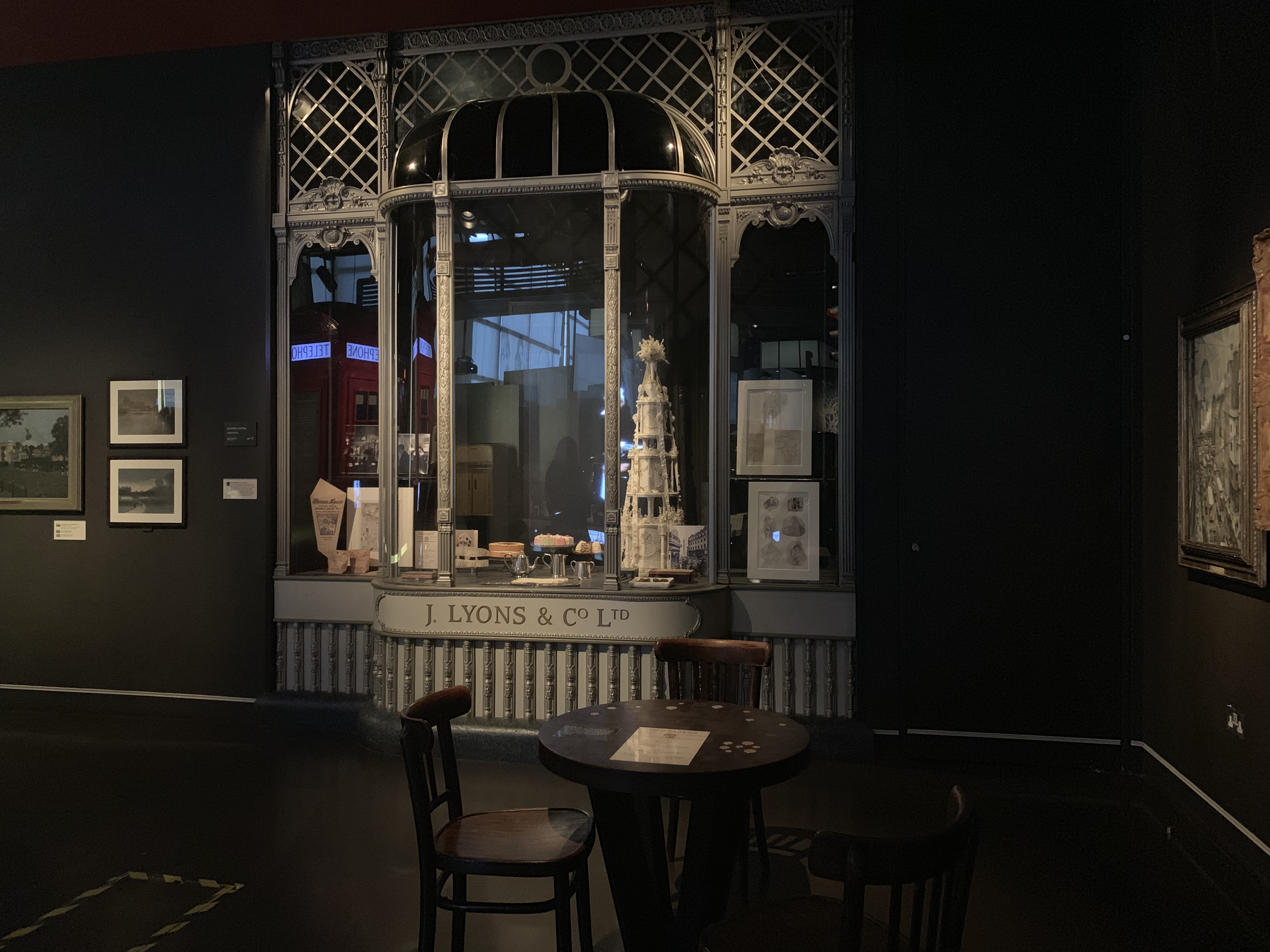
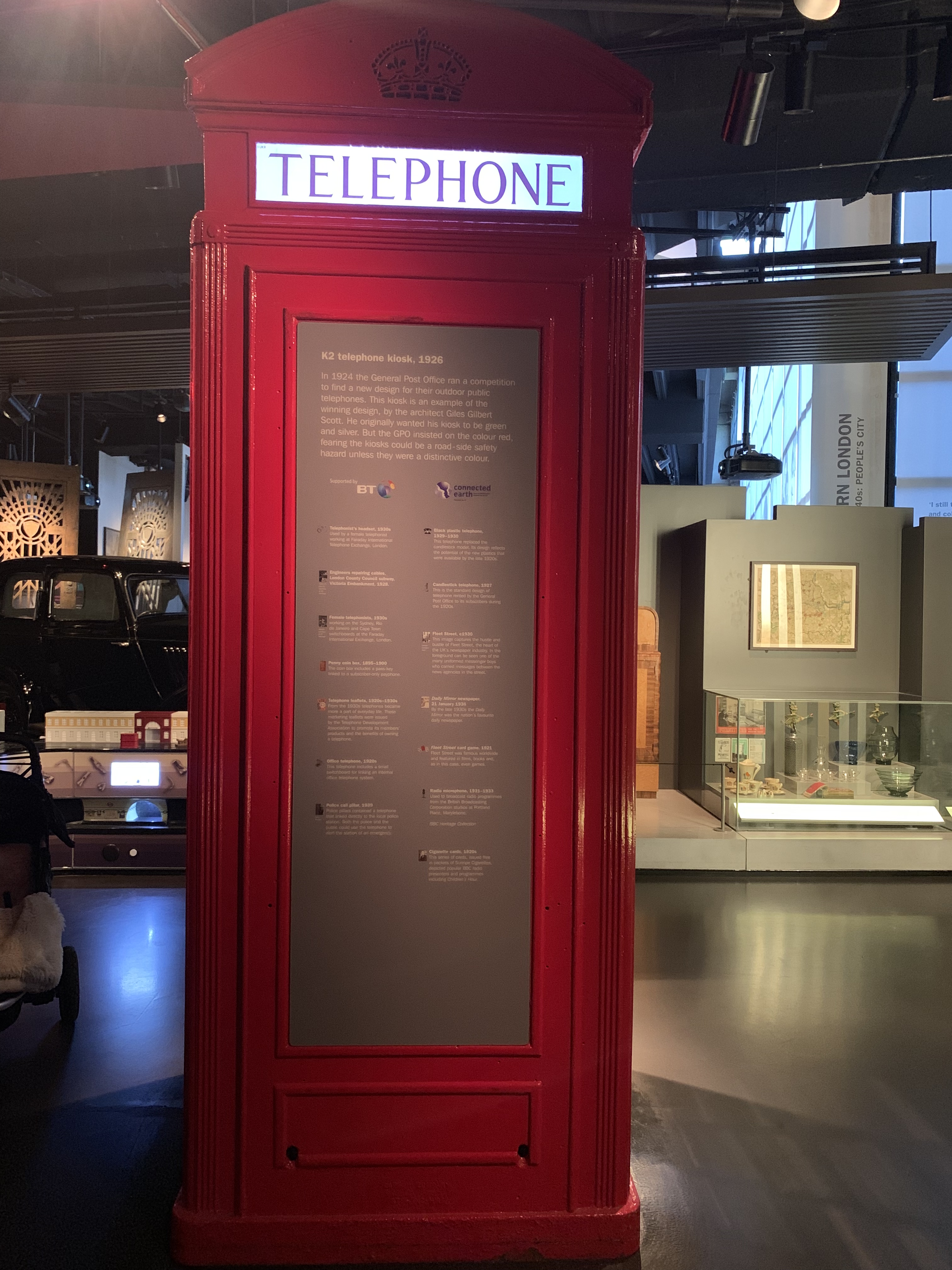
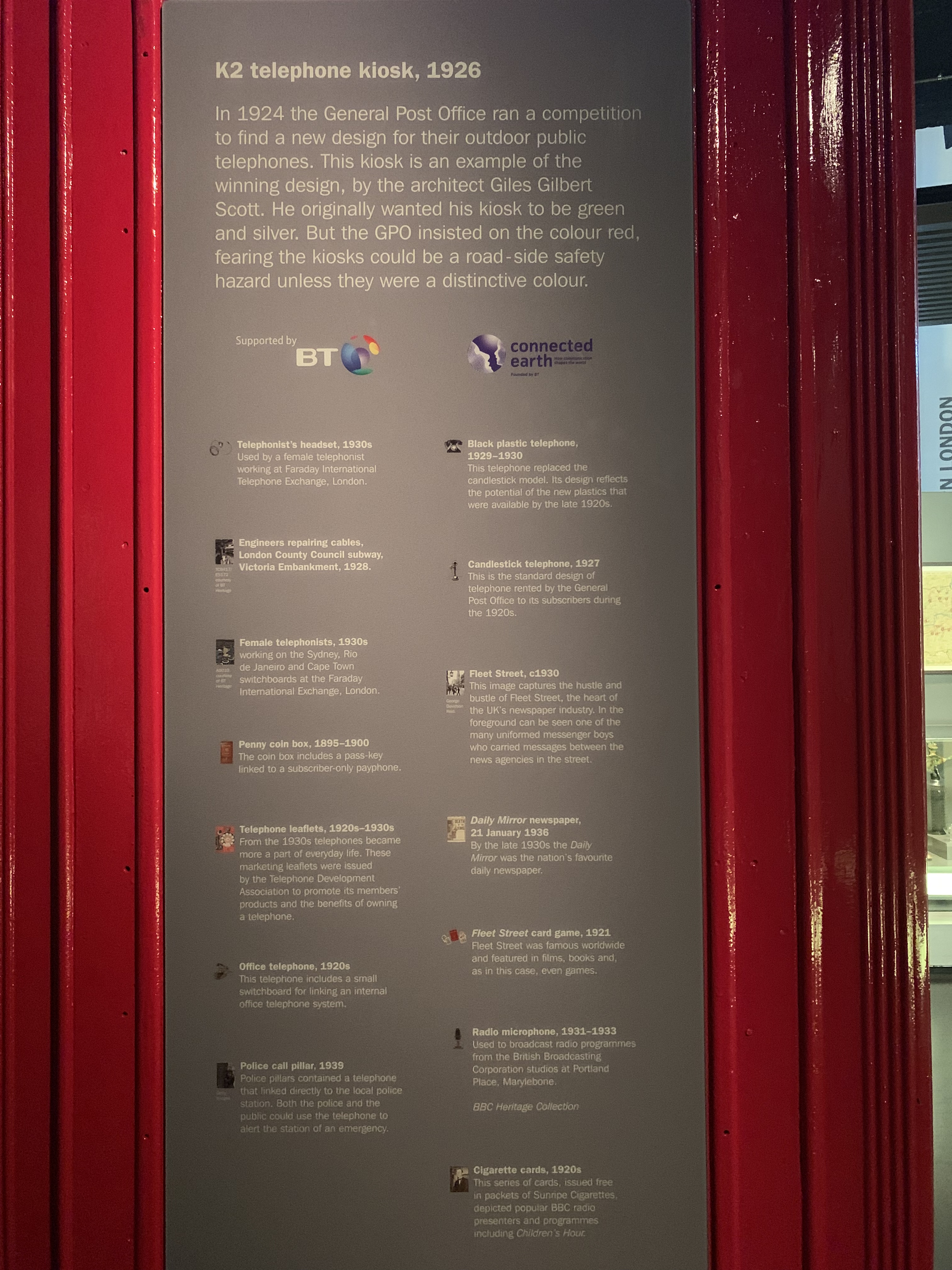
Objects and services offering ease of transport, communication and consumption
Objects of Change
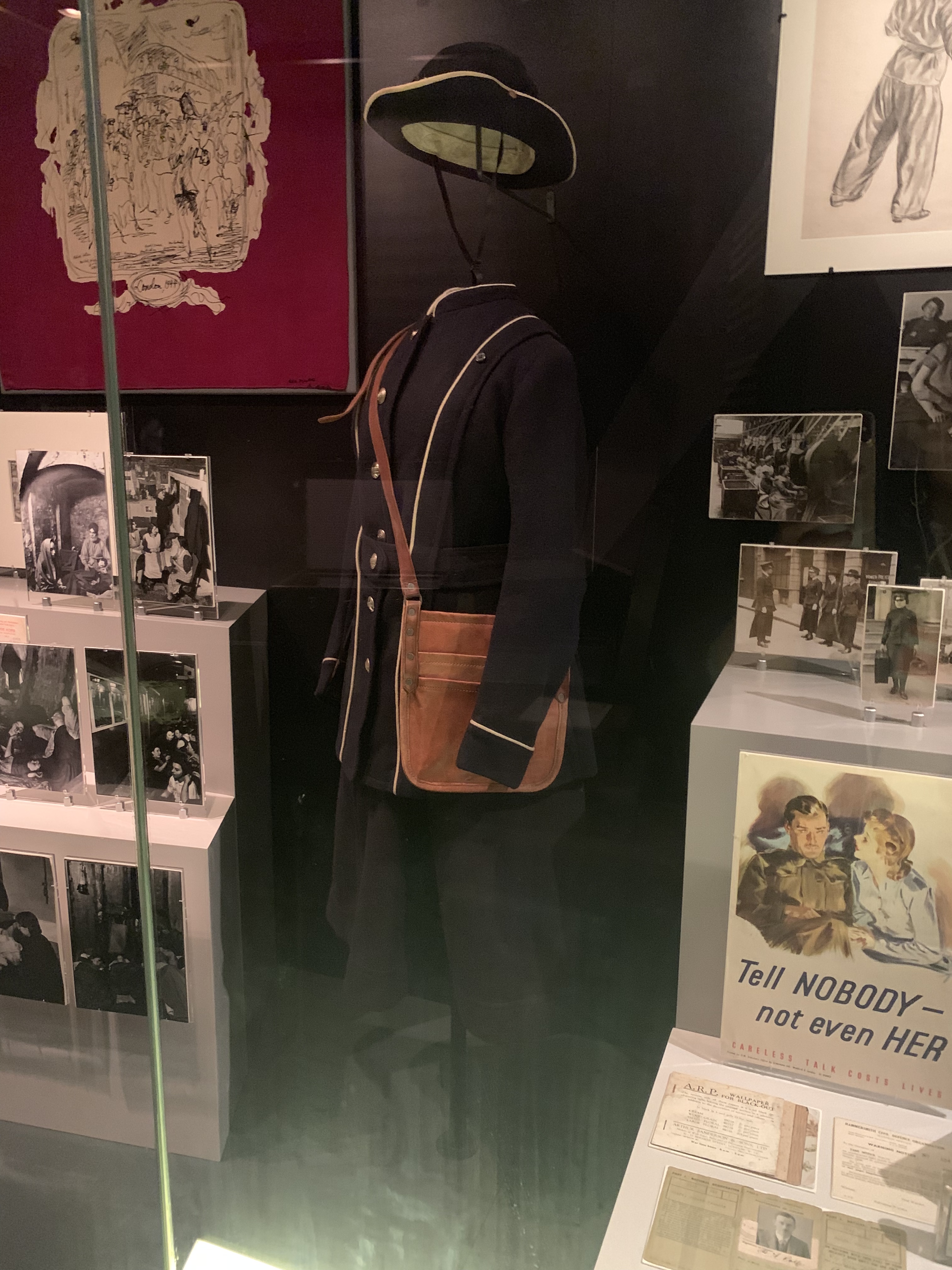
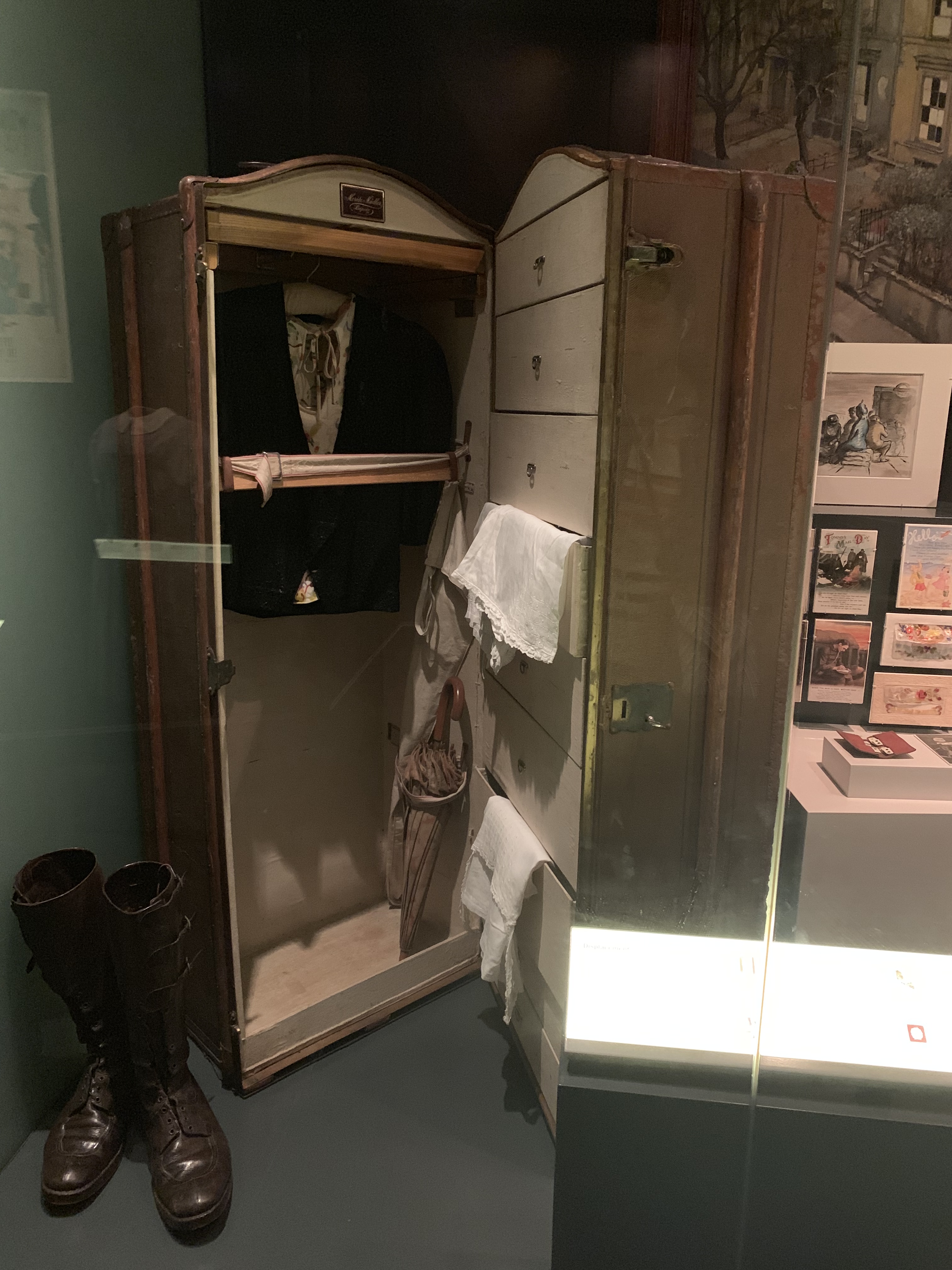
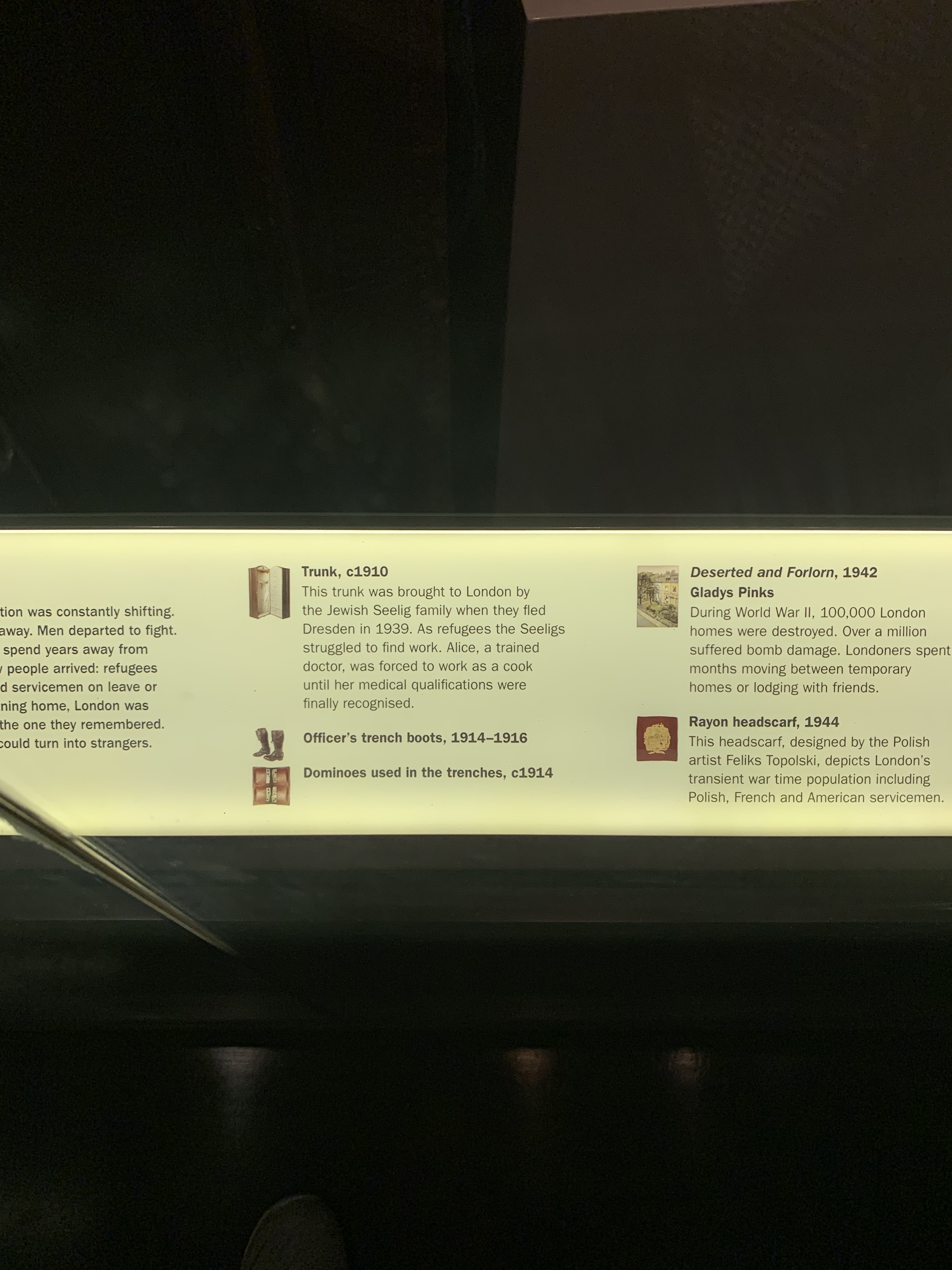
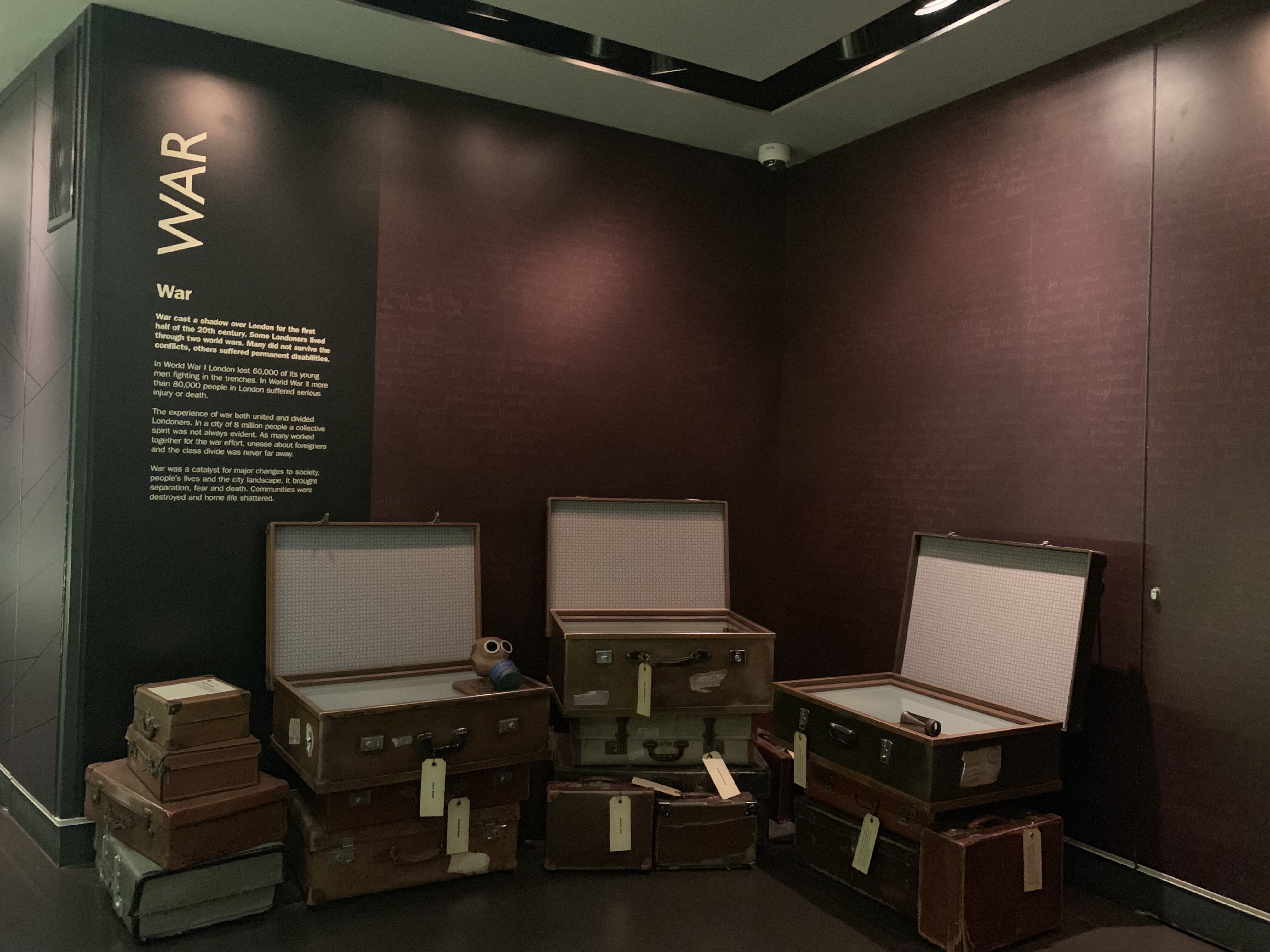
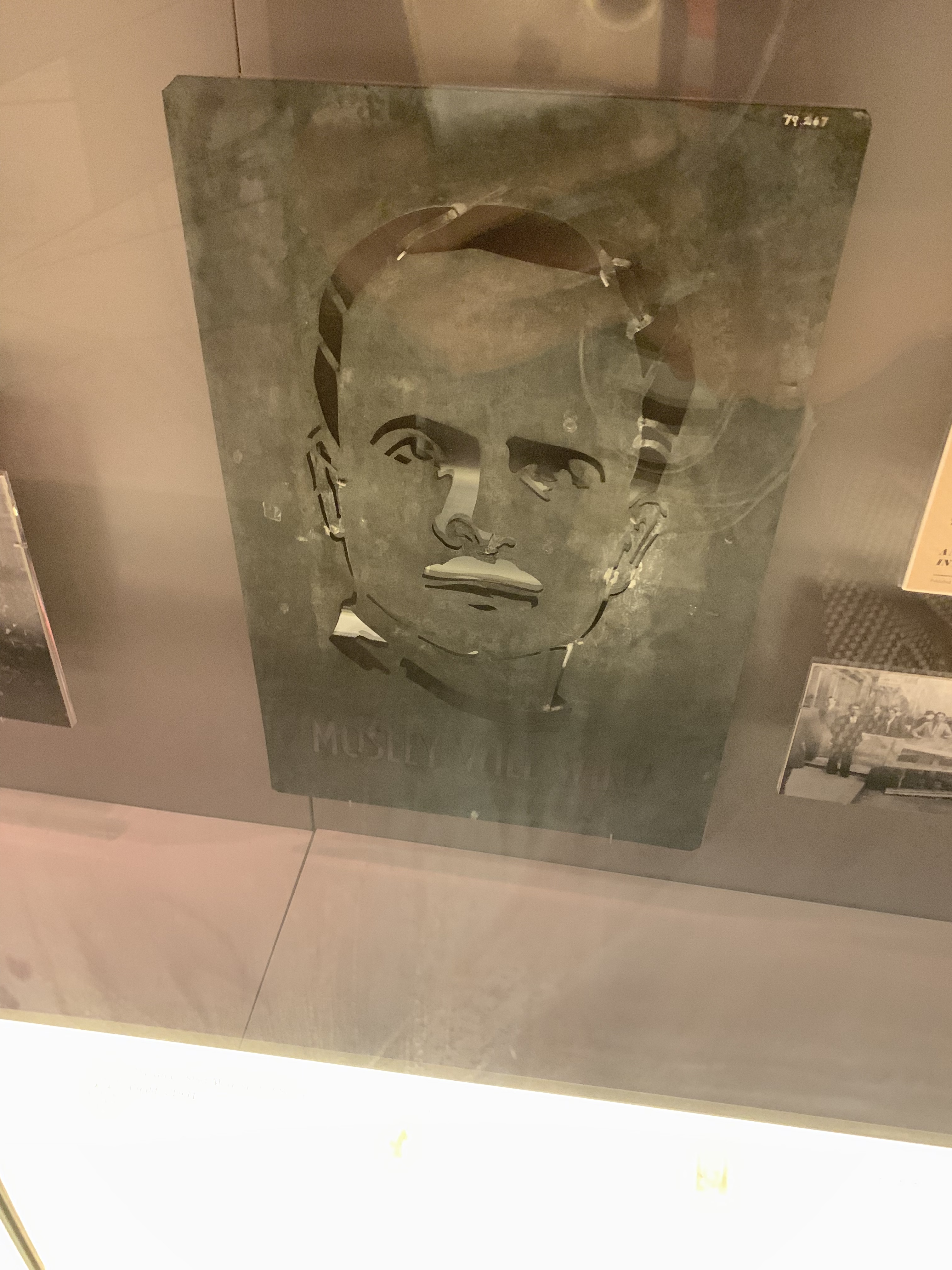
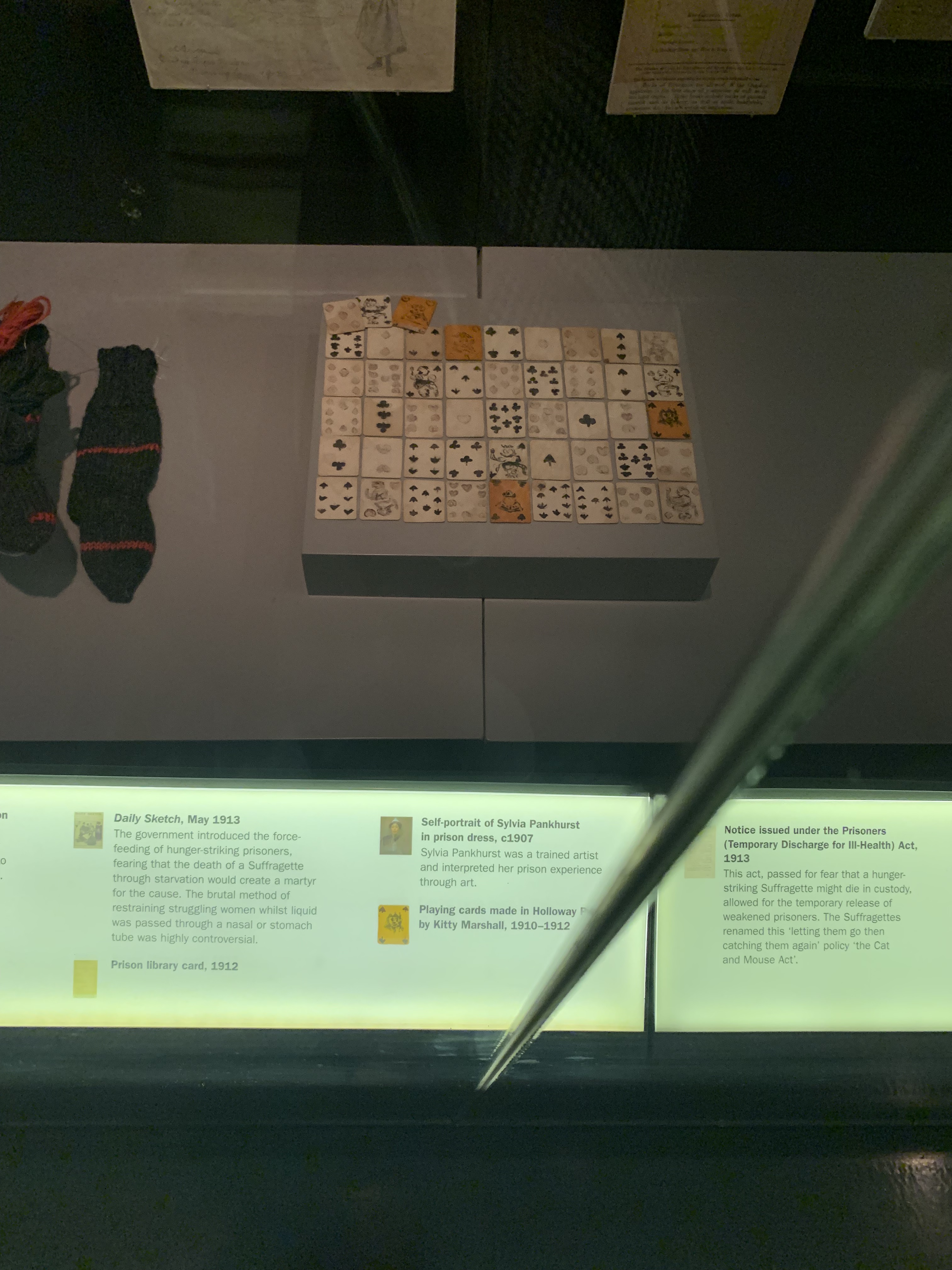
The First World war had an impact on the lives, the psyche and the everyday objects surrounding the people of London. The participation of women in the forces introduced the female uniform, and mass displacement of people meant that suitcases and portable trunks were needed to lug around one’s possessions during this testing time. This period was followed by a general wave of political and public unrest, as reflected in ‘Prison made’ objects and propaganda poster stencils.
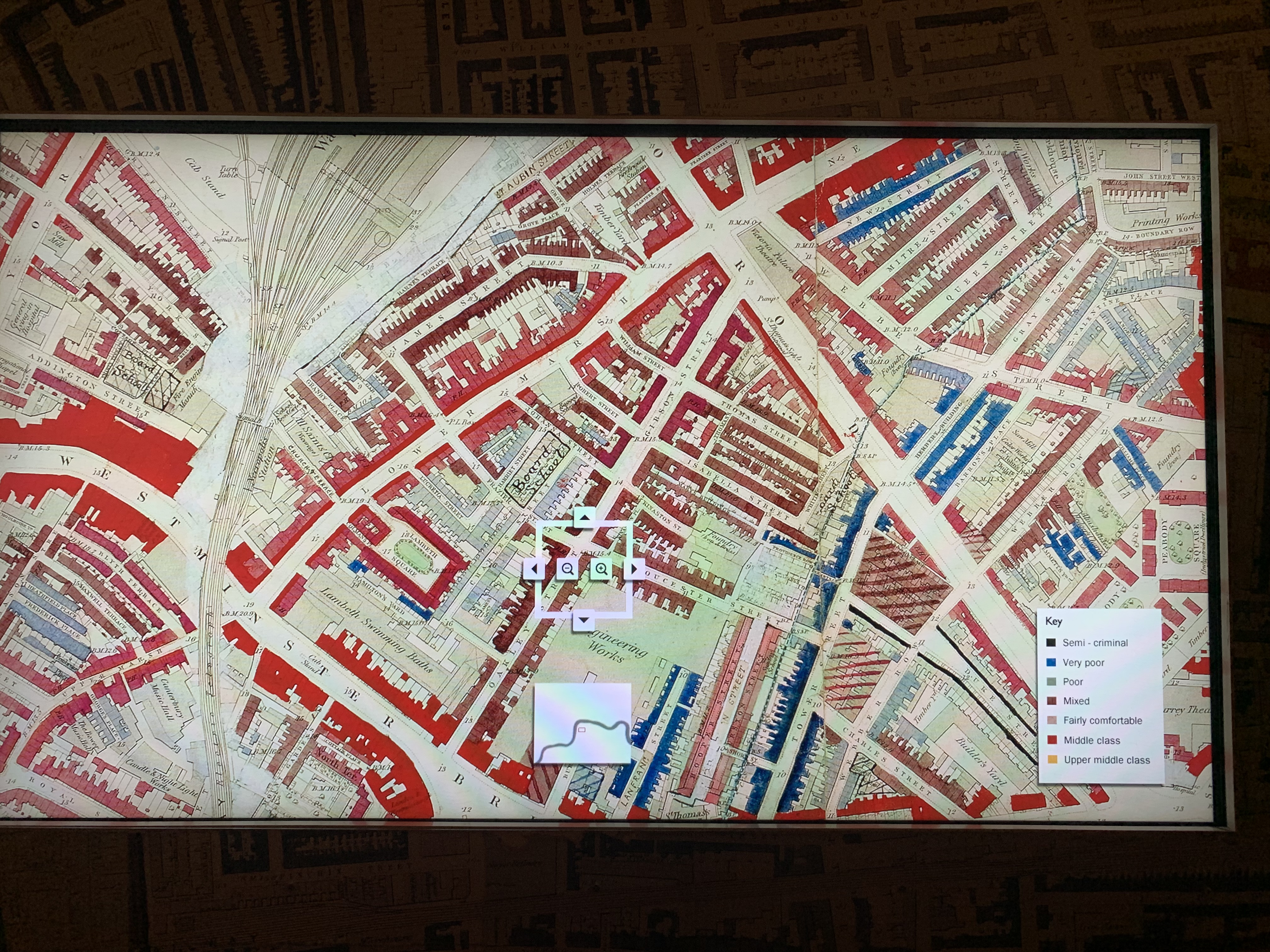
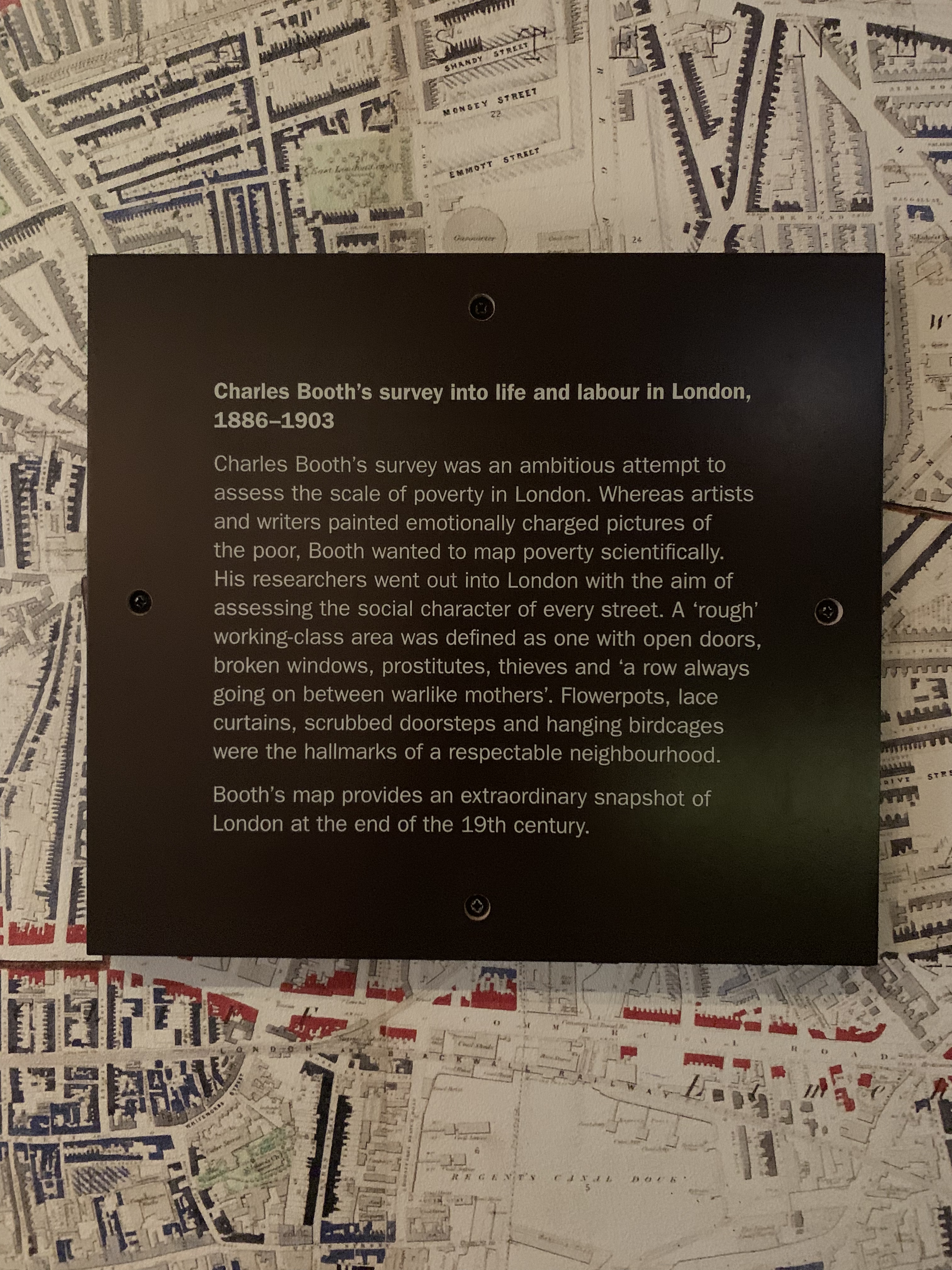
Artists and social workers highlighted the plight of the labour class, such as Charles Booth’s survey map documenting poverty in London.
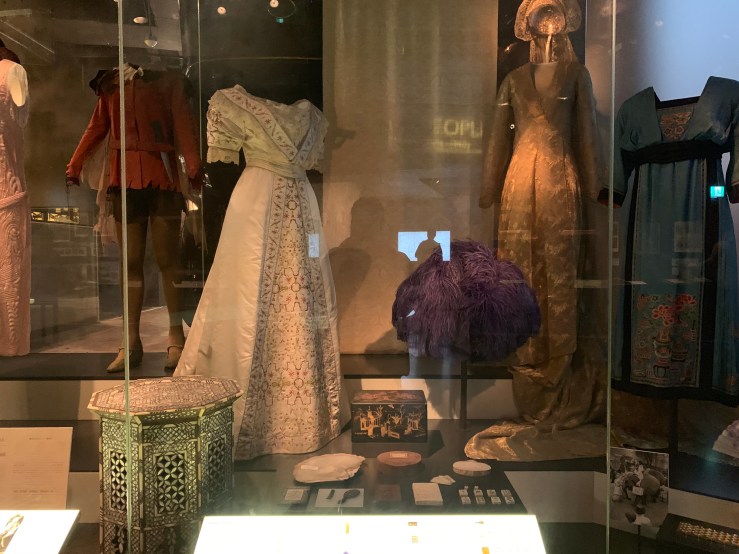
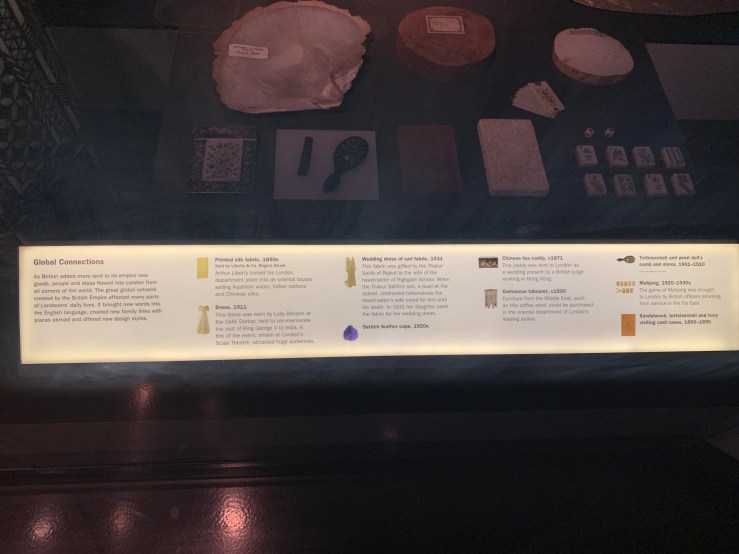
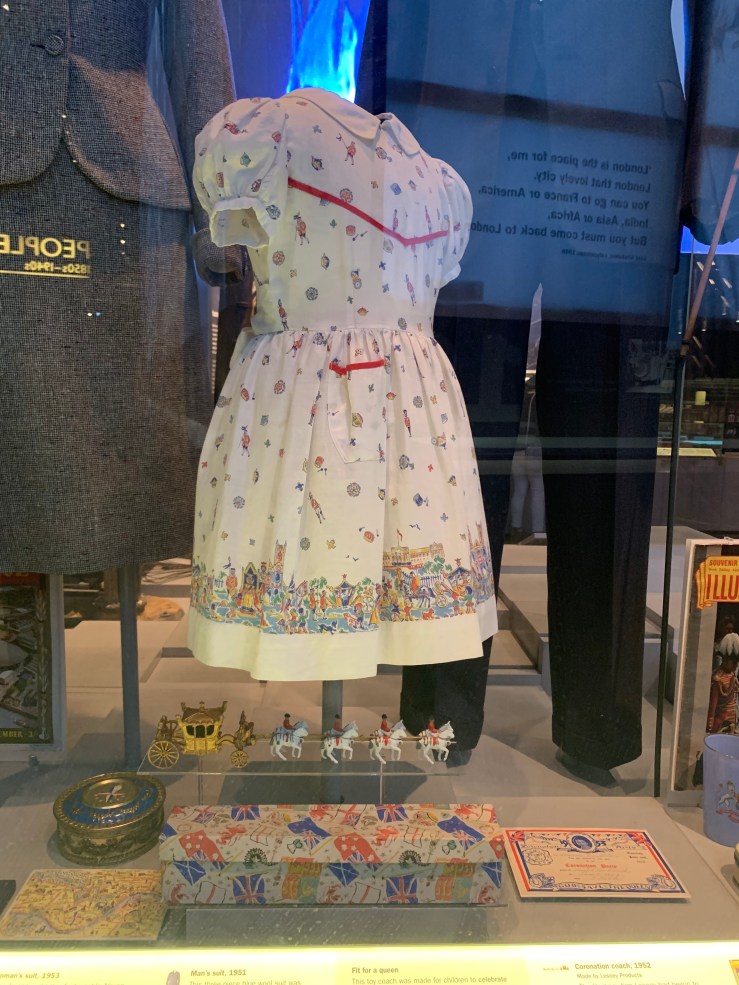
The spread of the Colonial rule over different parts of the world, brought in ‘global’ inspired products, while the Coronation of Queen Elizabeth II inspired celebratory products, accessories and garments, ushering in a time of prosperity and harmony.
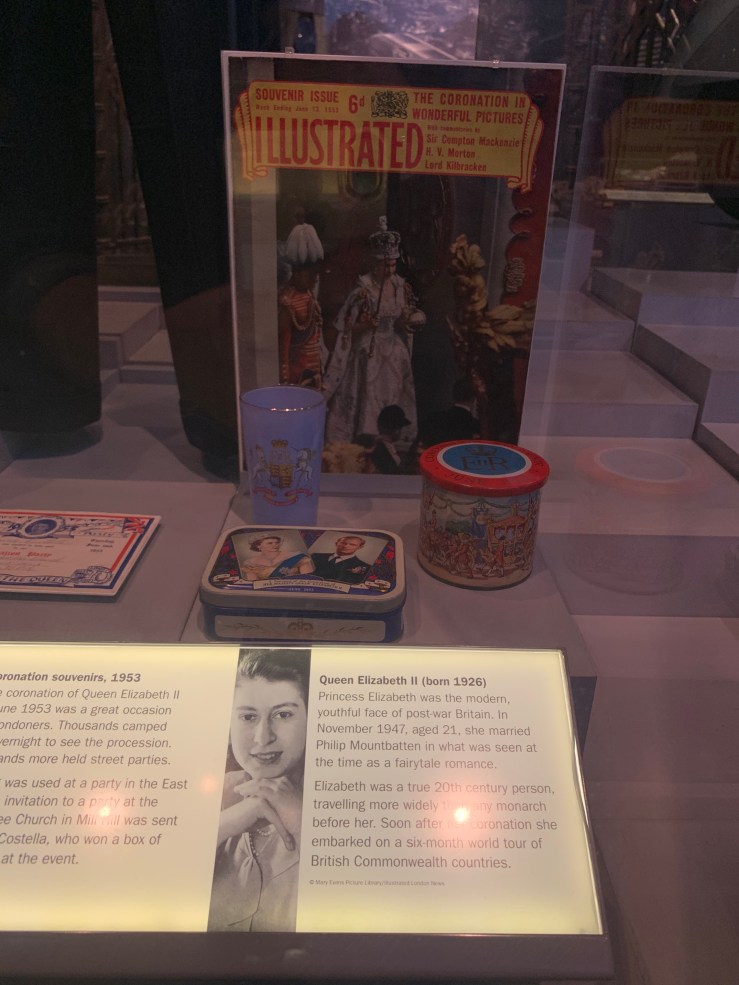
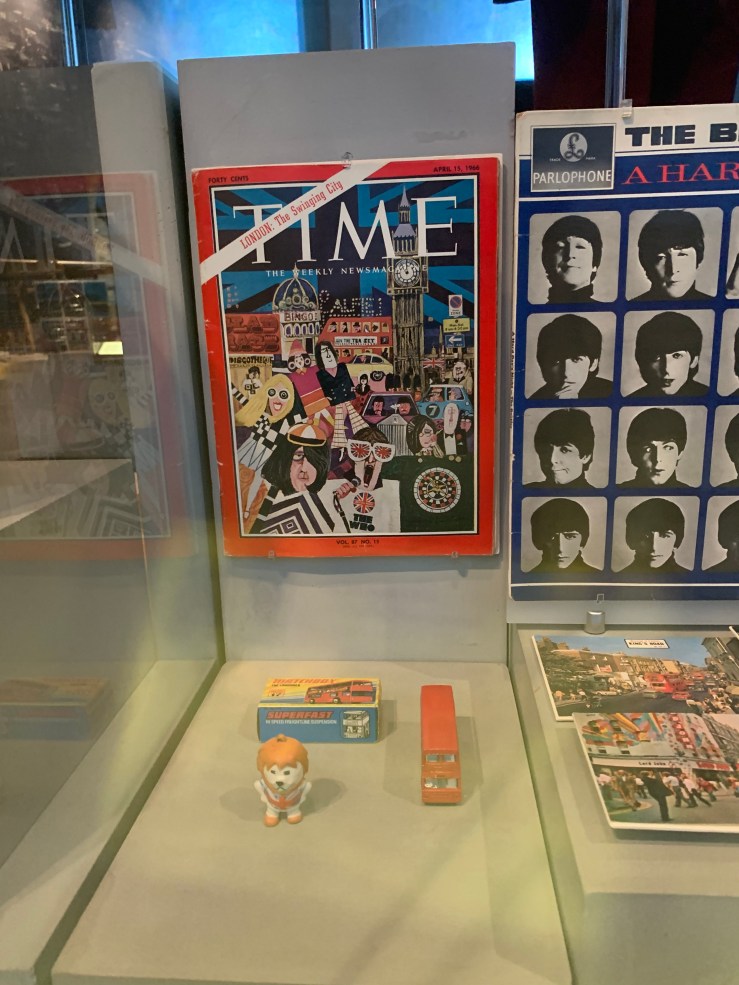
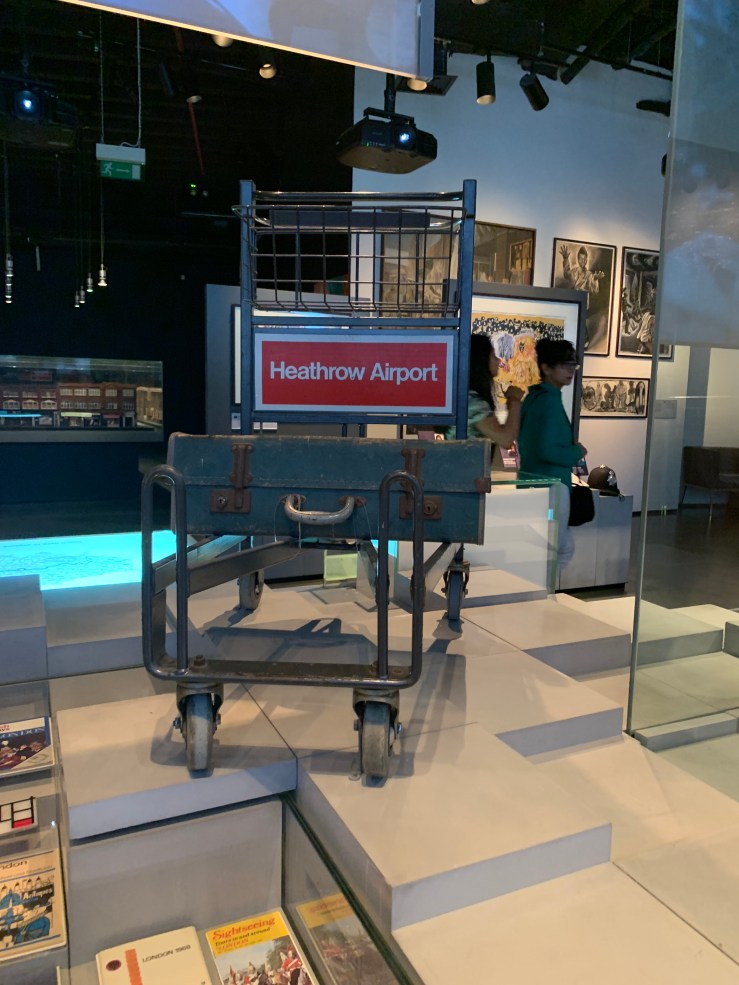
The changing time, London as an amalgamation of the old and the new, the suitcase as an object of great emotional value to immigrants
Architecture of Hope
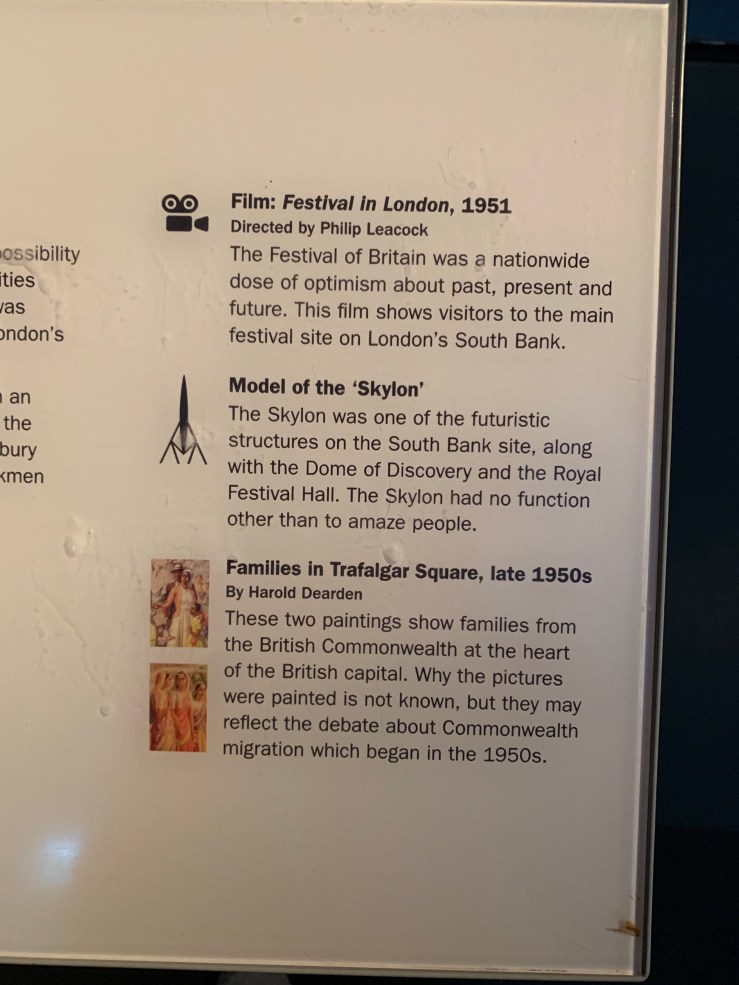
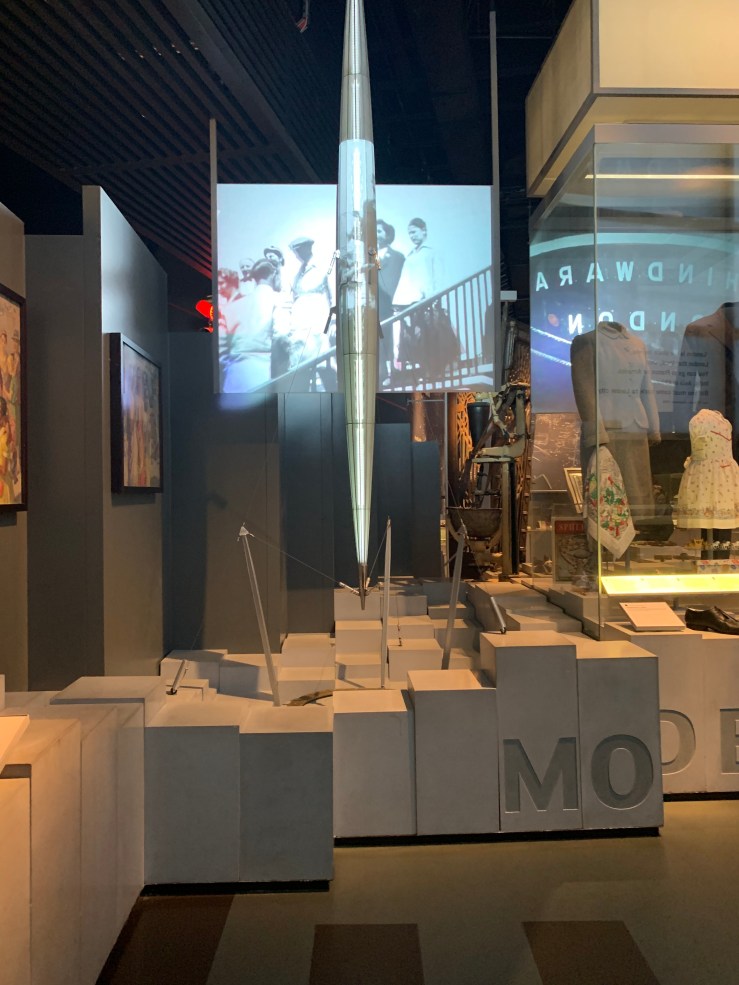
“The Skylon had no function other than to amaze people.”
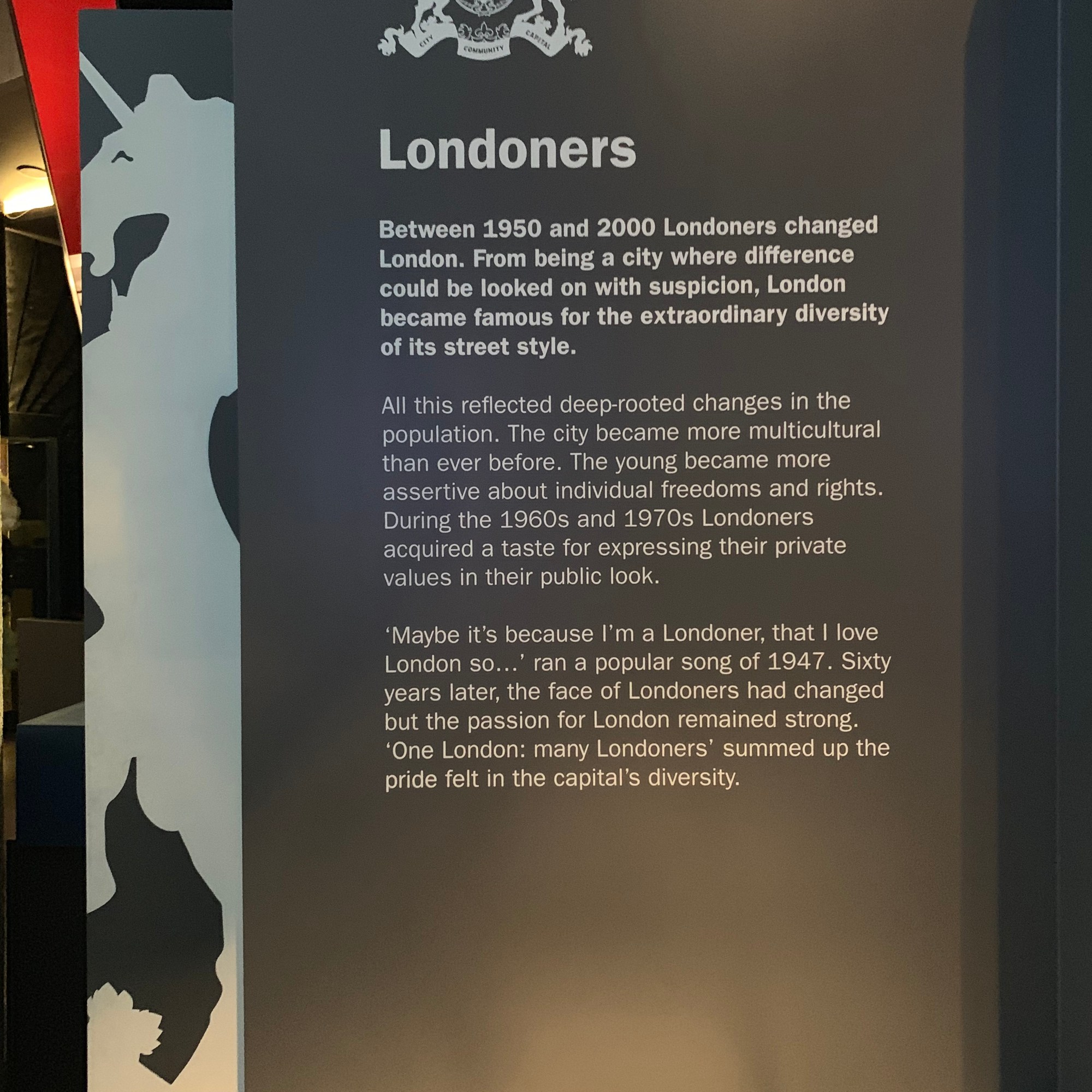
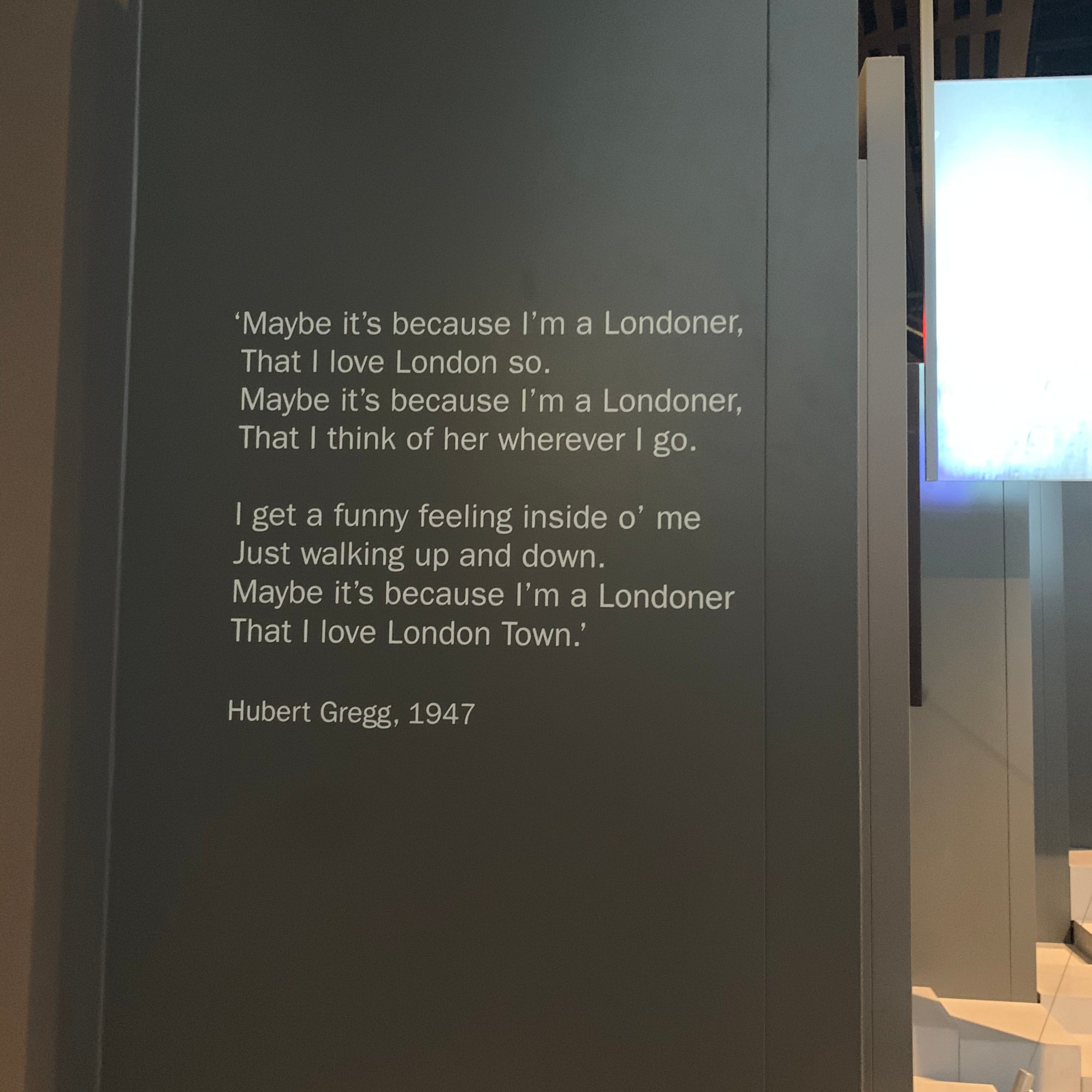
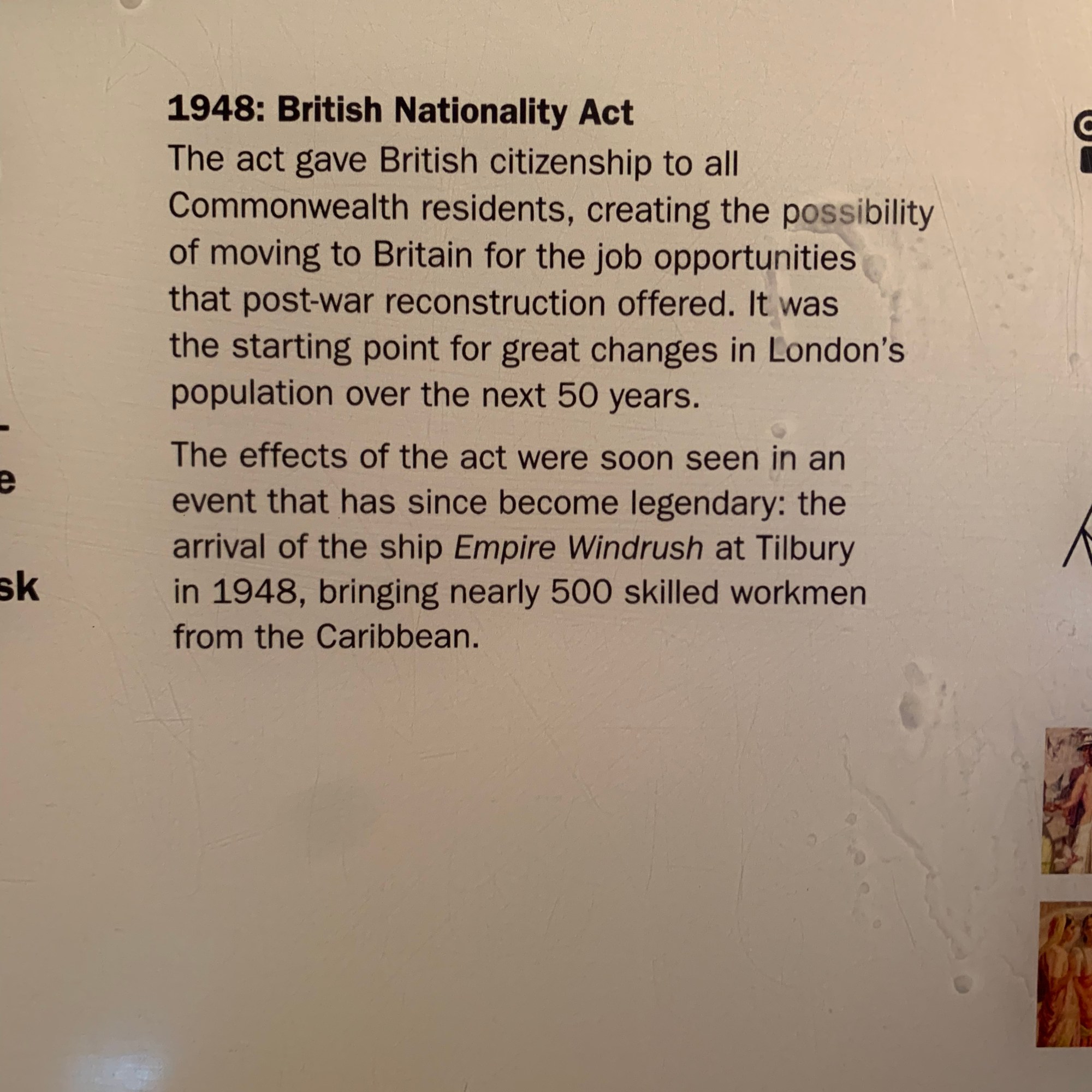
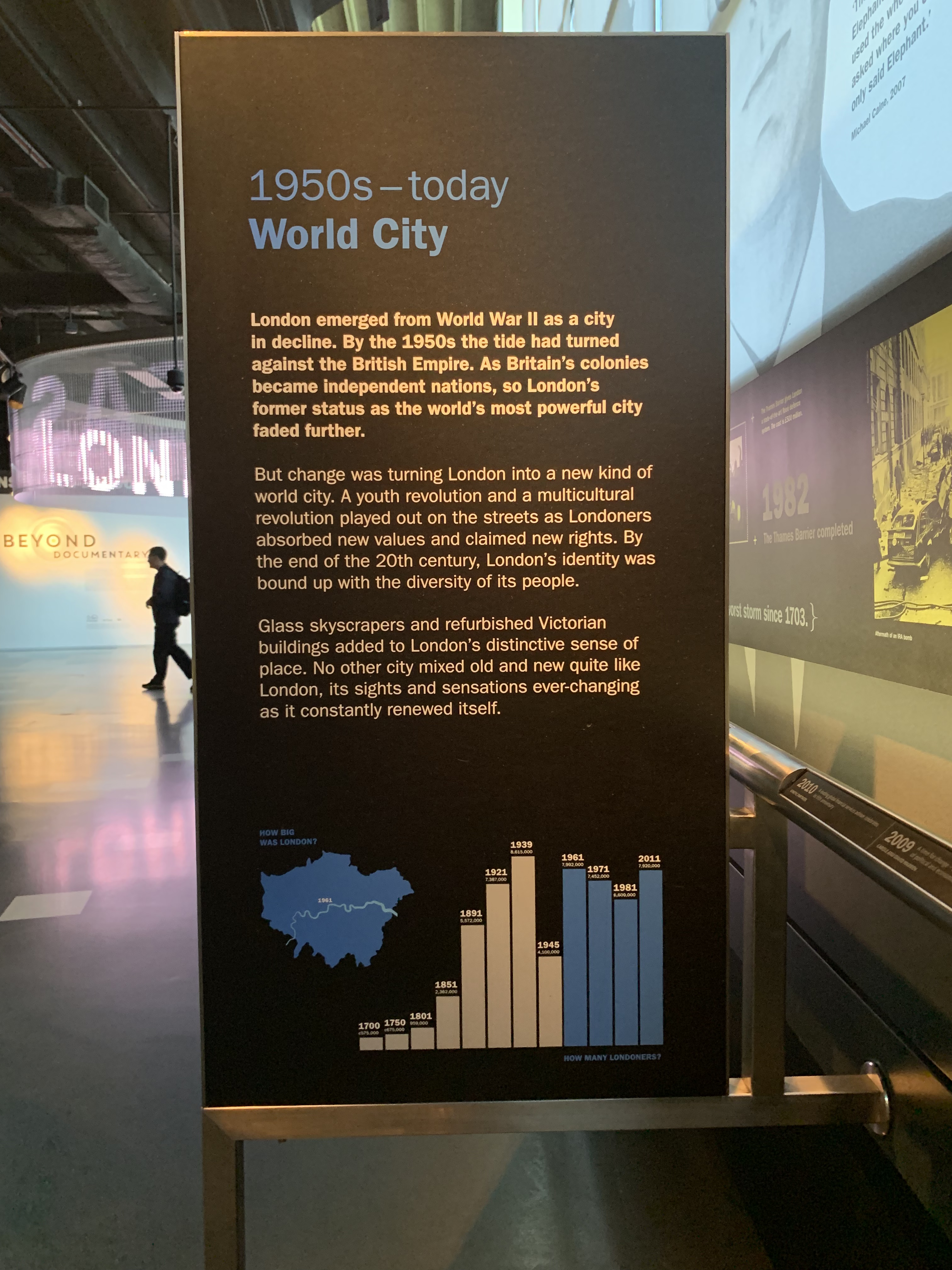
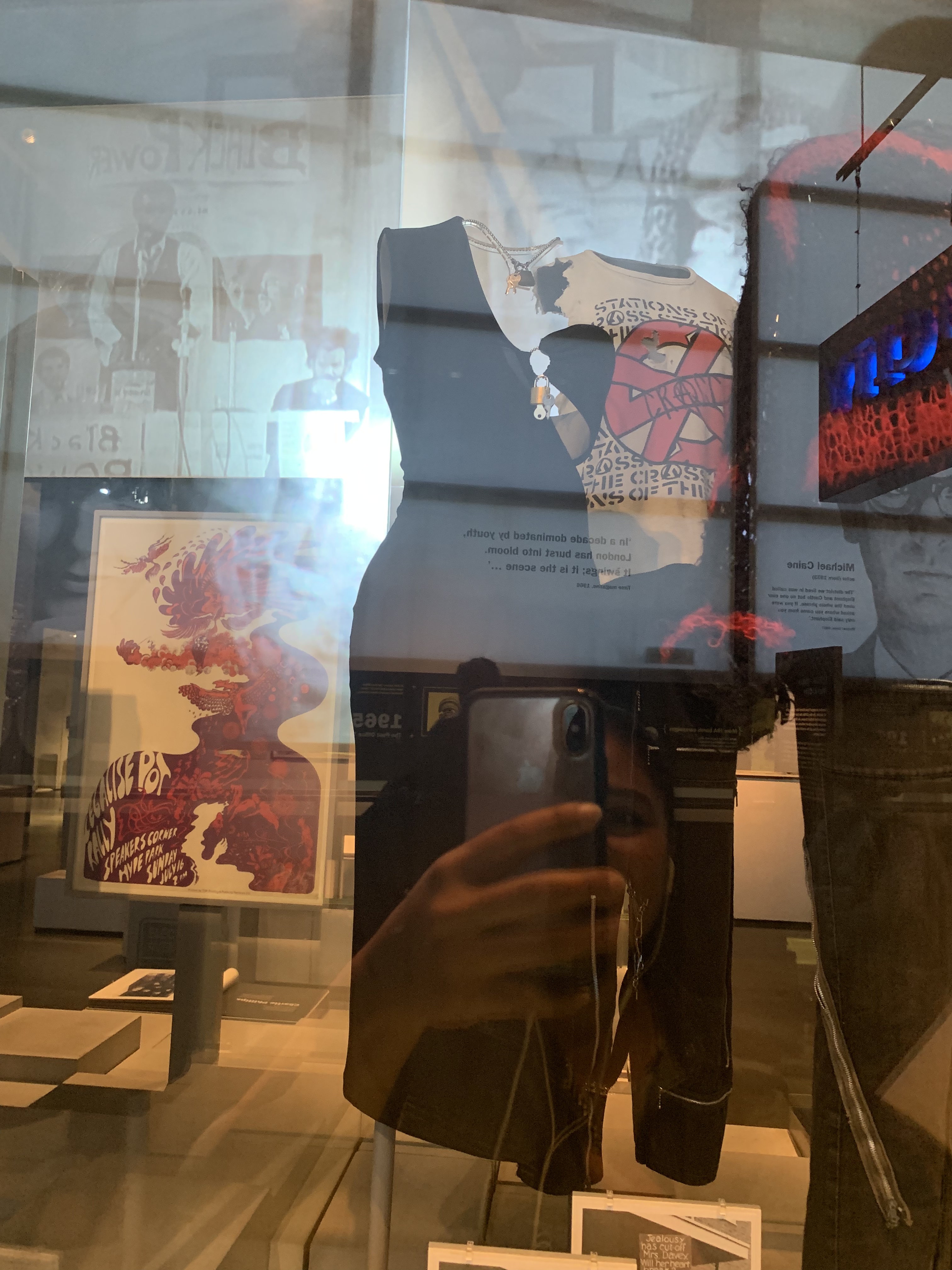

Londoners: Diversity, Identity and Pride
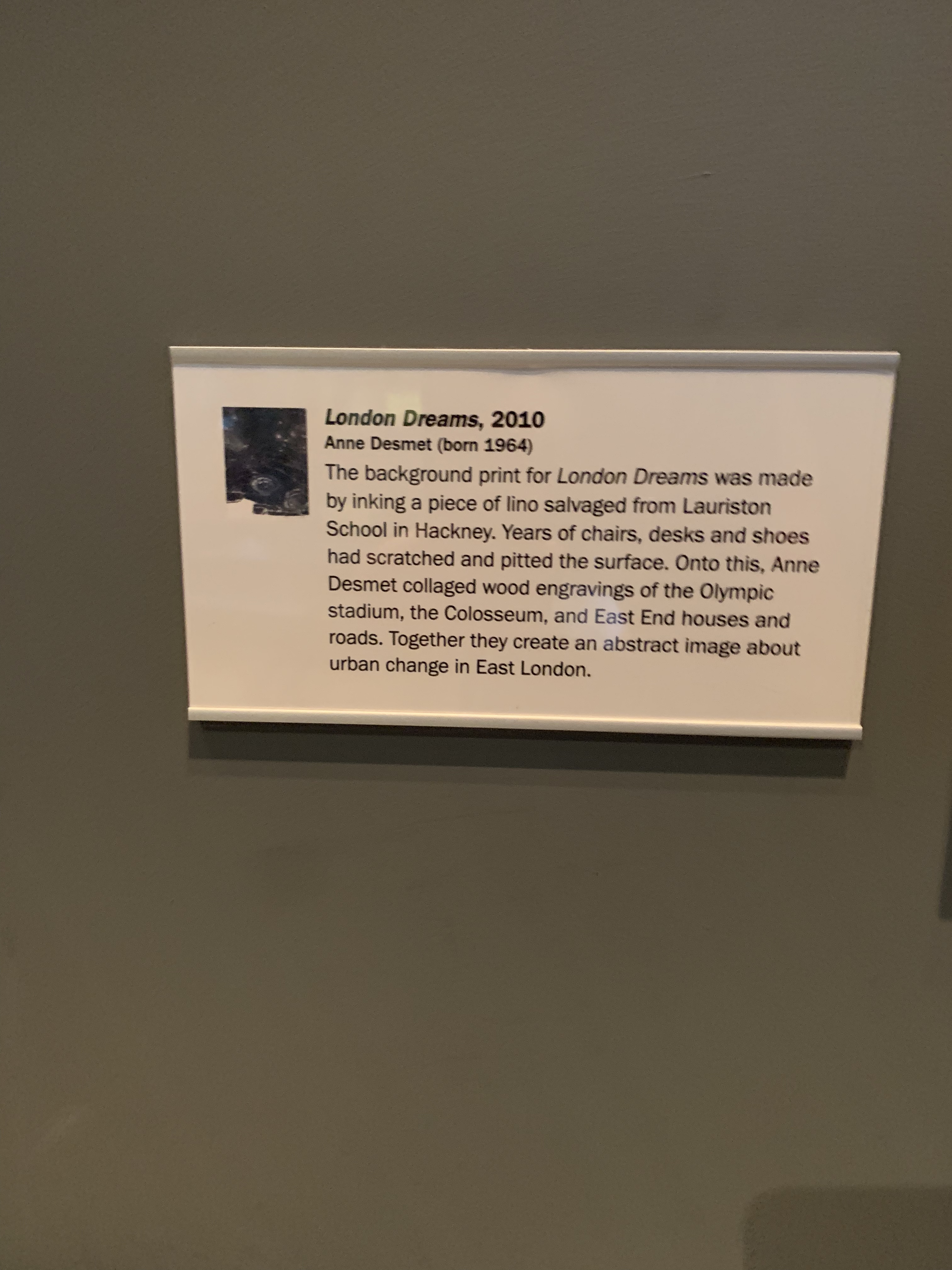
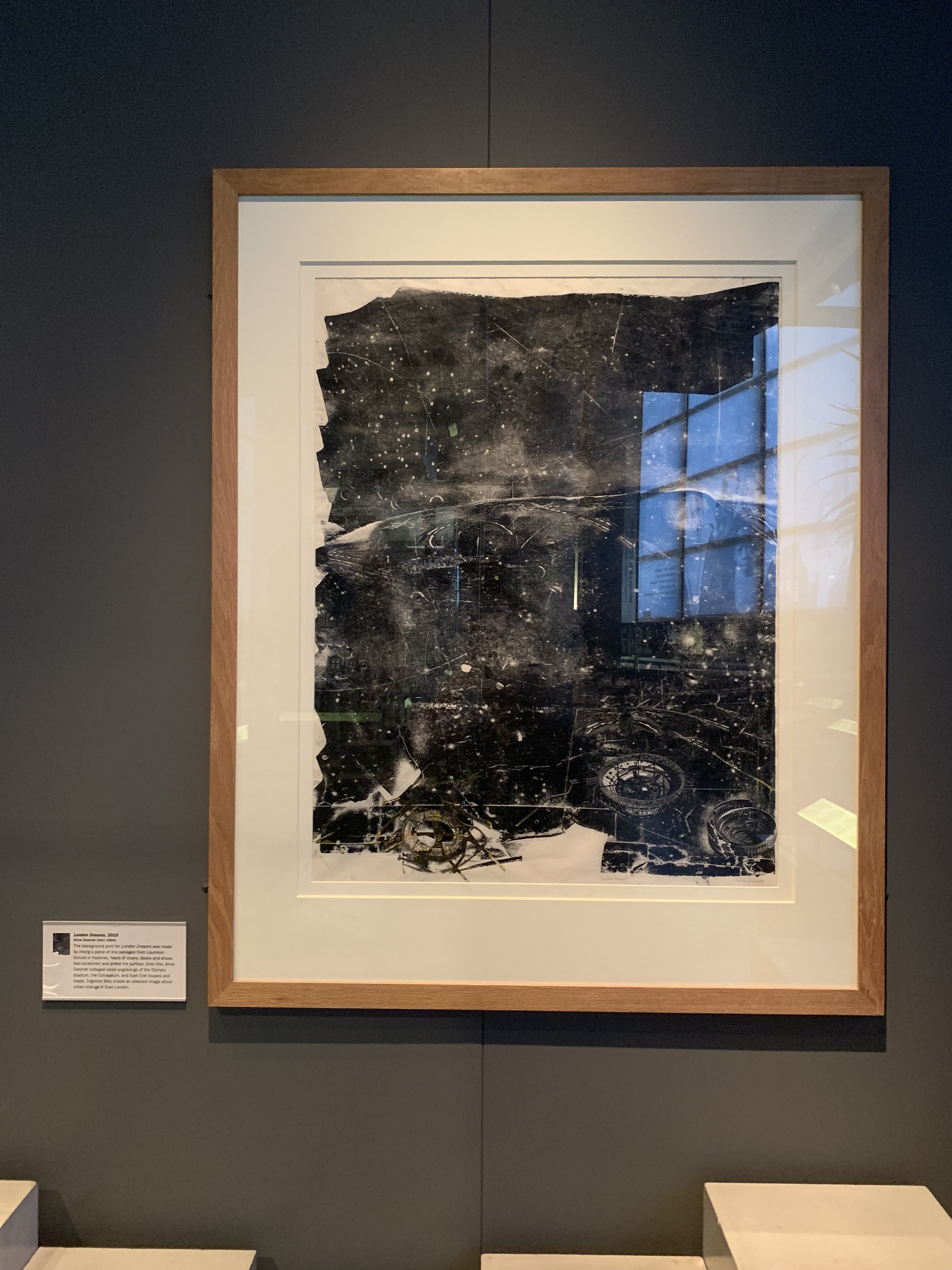
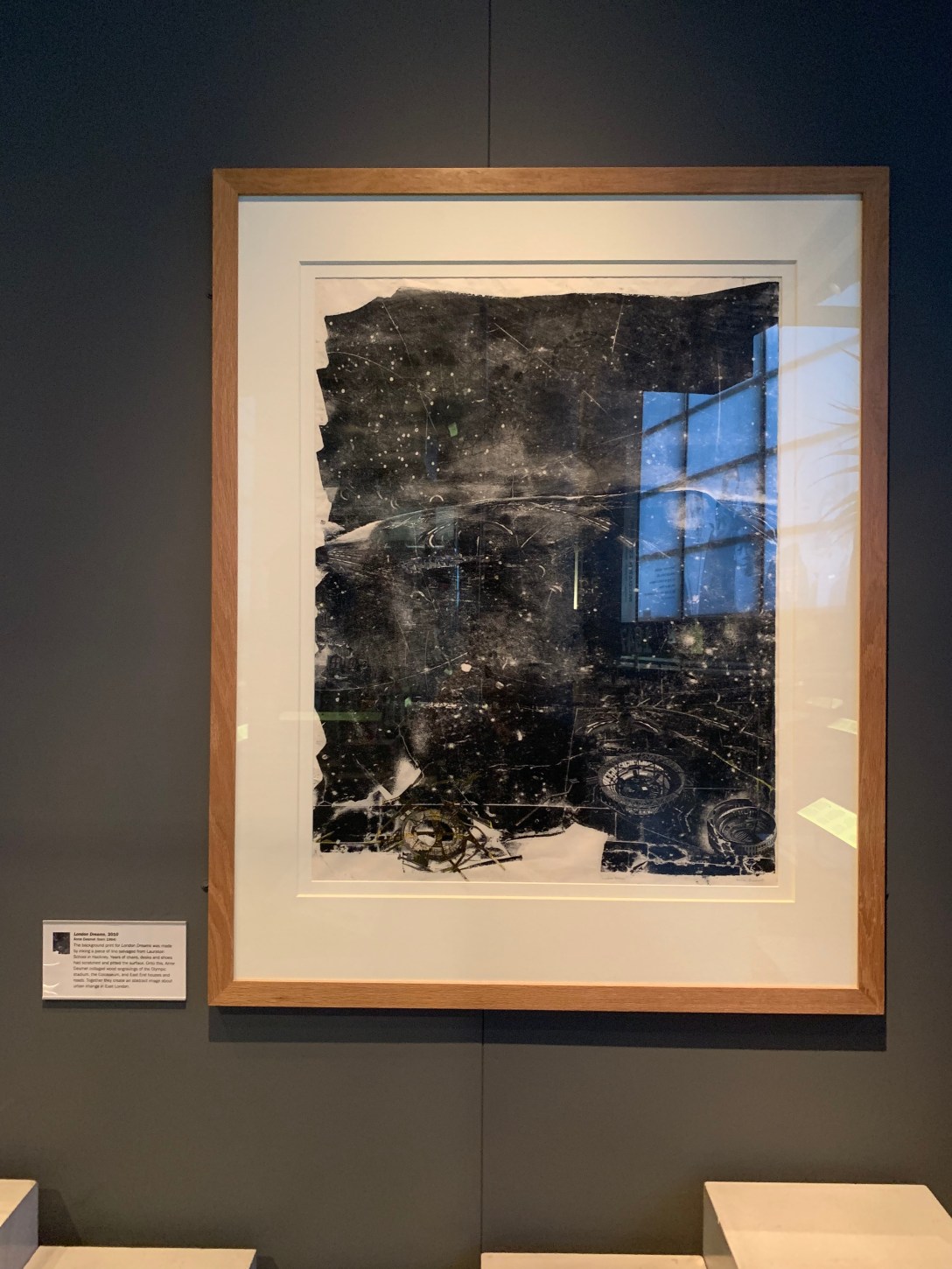
This artwork titled ‘London Dreams’ captures the change in Time and Place through textures and engravings across eras and areas of London.
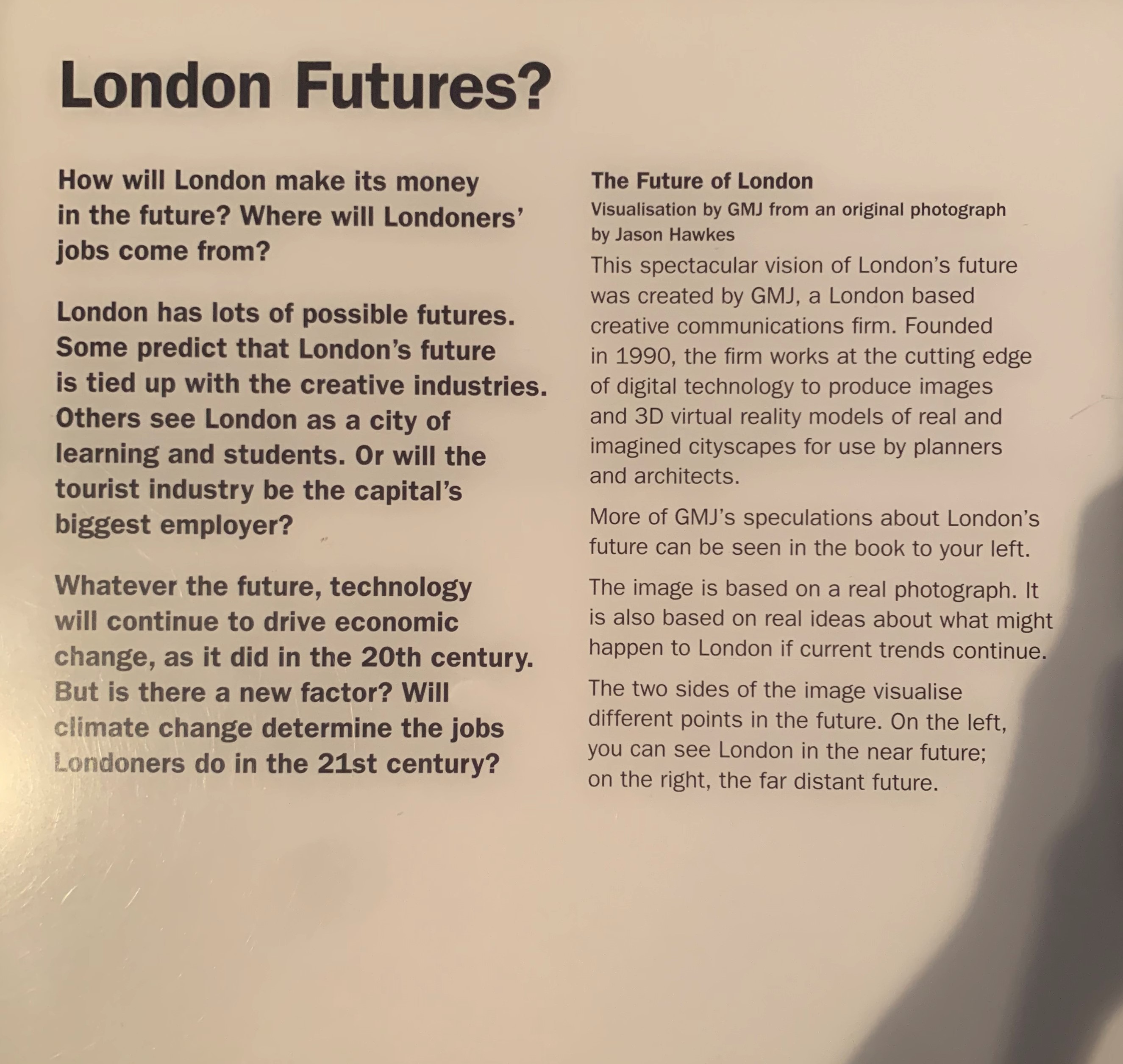

This was an interesting piece projecting possible future situations for the city through photo montages and textual explanation. The artist’s view of the future of London was sometimes scary, sometimes progressive, and most times potentially controversial. It made me think about the future of the city based on the trajectory of historical change as documented in the museum.
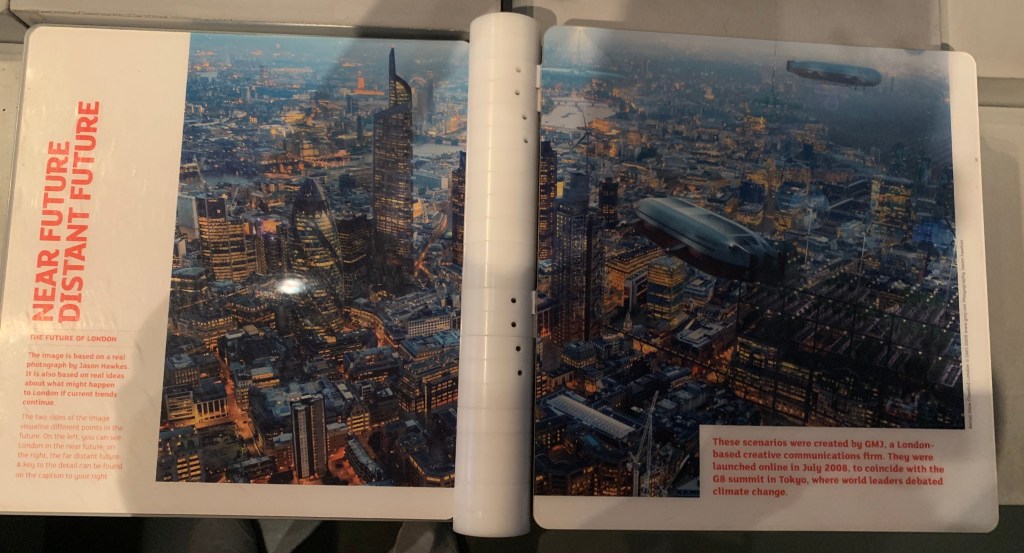
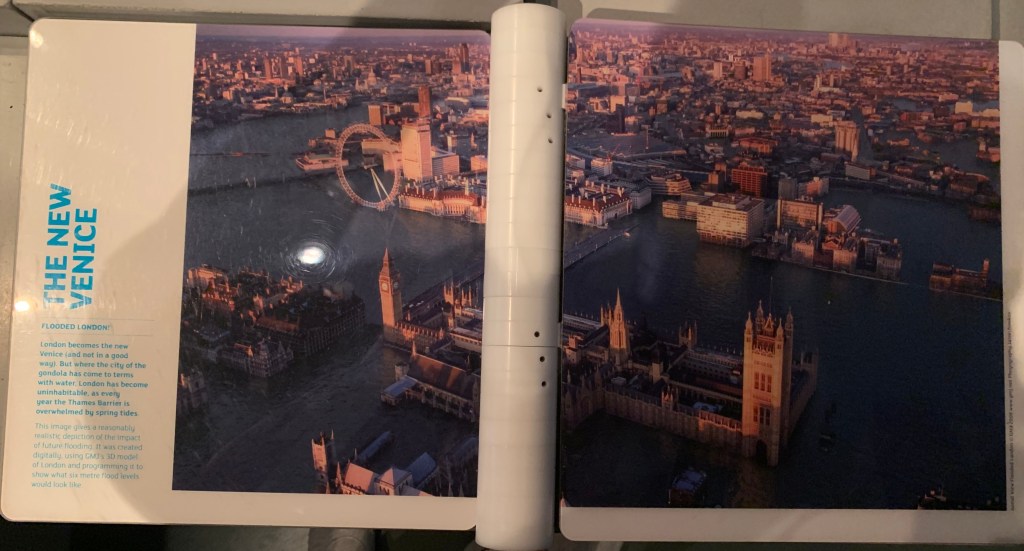
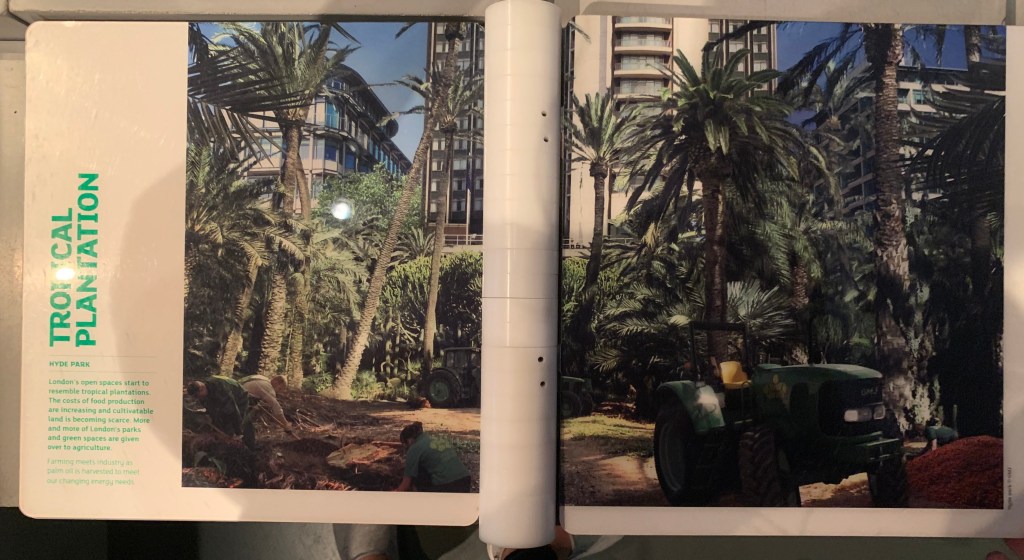
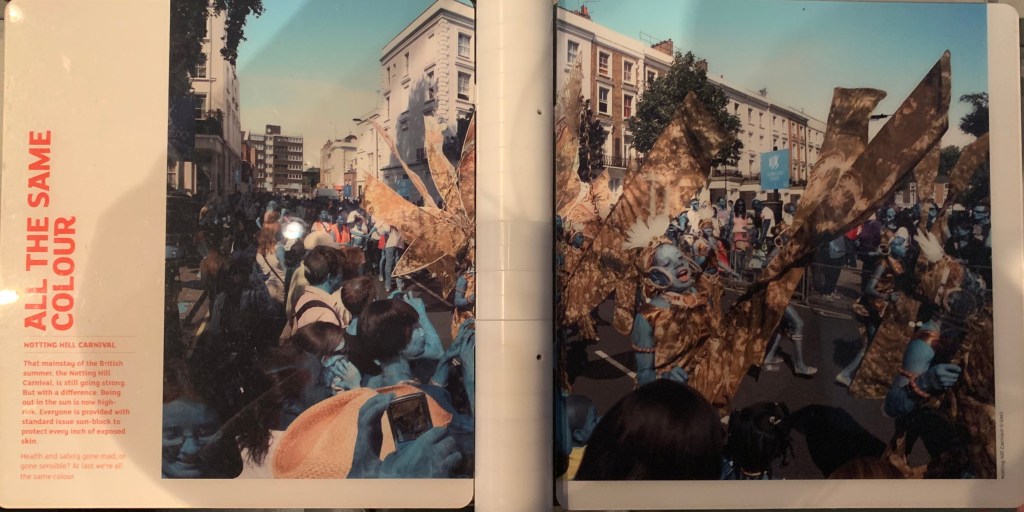
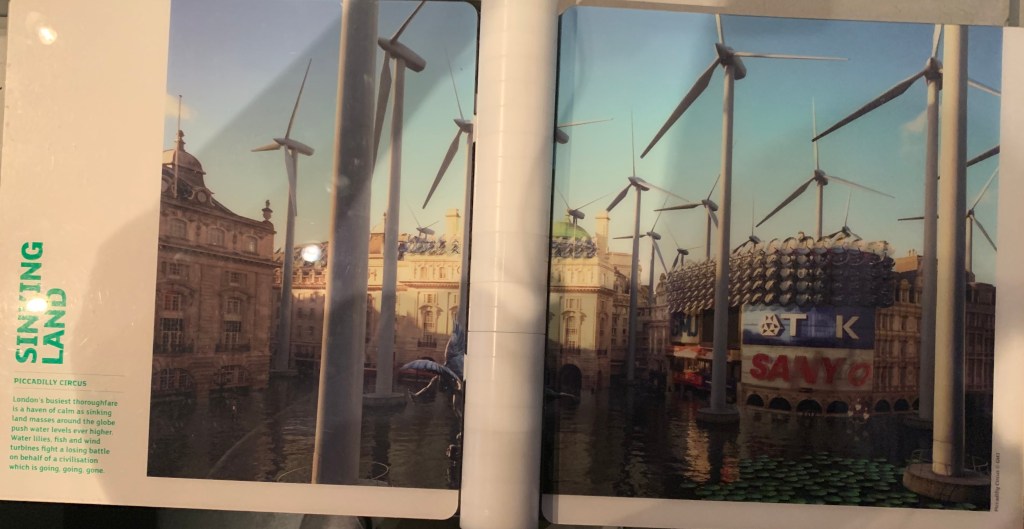
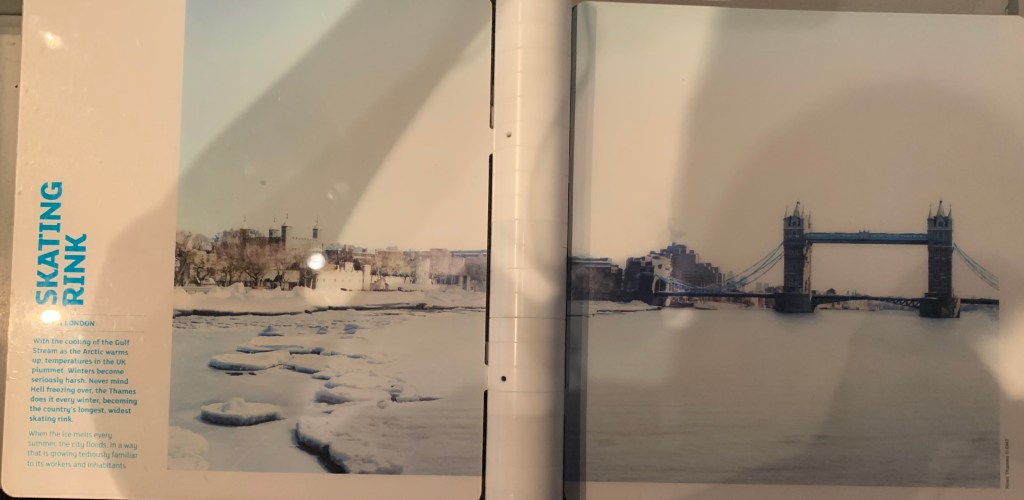
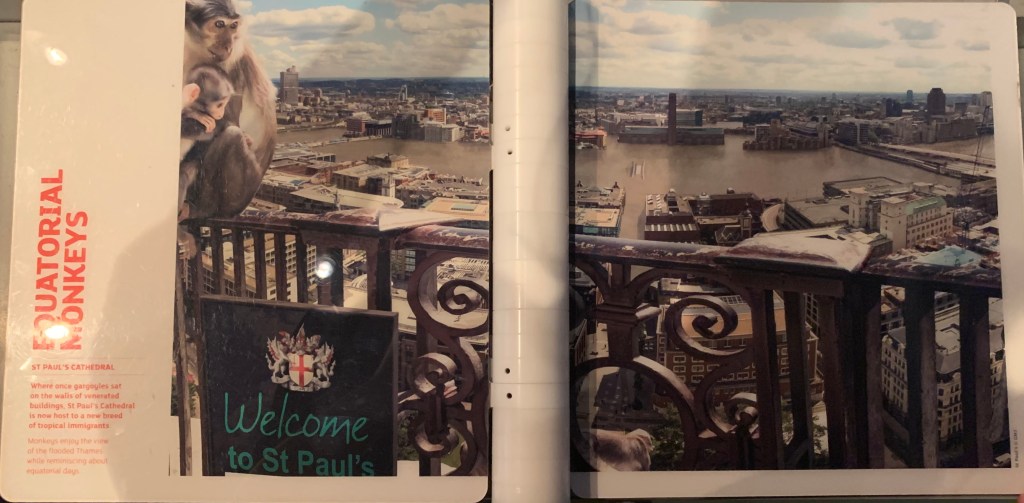
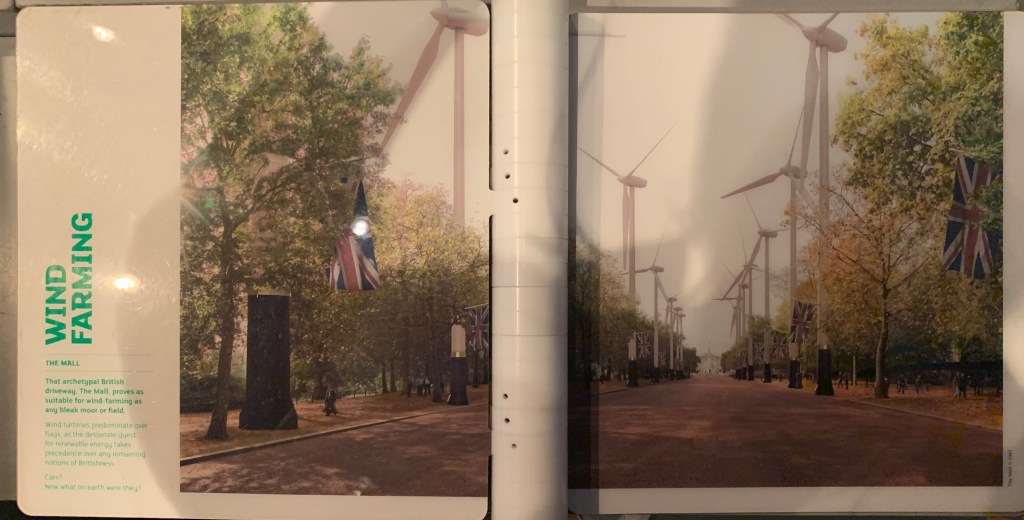
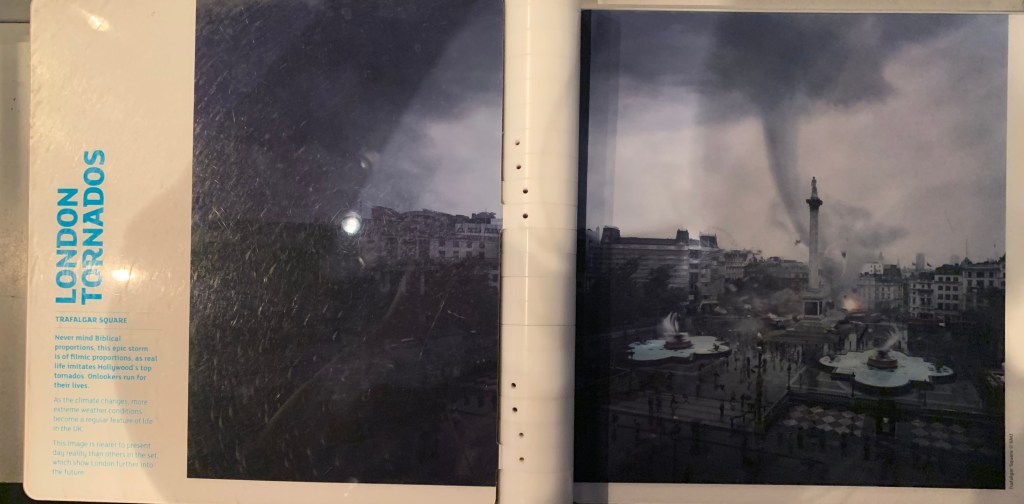
For my project research, I would like to project my own visions for the future demands of the city, and ask potential stakeholders of my identified site for their views on the future of London. From this, I hope to proceed to produce a meaningful intervention for the city in its future context.

 design factory
[…] Museum of london futures artwork […]
LikeLike